 Daily Crypto Briefs




SÃO PAULO, July 21, 2026
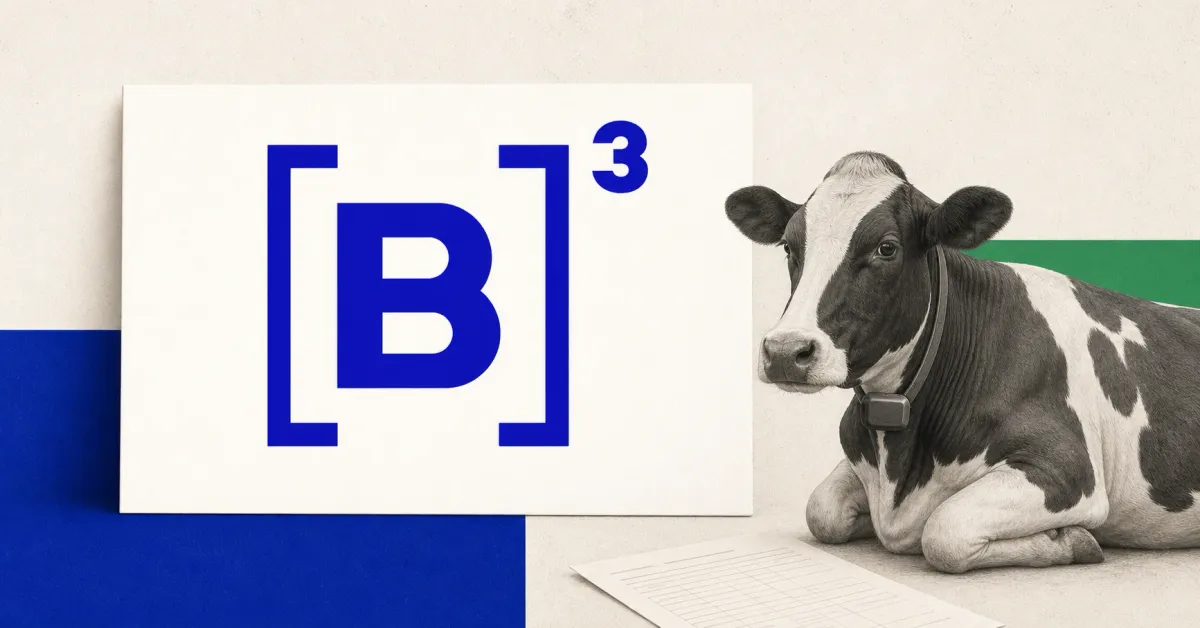
A dairy farm in Paraná, Brazil, used 10 tokenized cows as collateral for a 100,000-real rural-credit loan, or roughly $19,600, registered on B3, turning real-time health and location data into evidence for a loan at a time of tighter agricultural credit.
The transaction at Fazenda Engenho Velho did not create a public crypto token or a market for fractional cattle. It used a CPR-F, a Brazilian rural-credit instrument, with digital records and monitoring intended to let the lender track whether the livestock backing the loan remained identifiable and viable.
The cows were valued at about 120,000 reais against the 100,000-real loan, according to CNN Brasil’s report on the B3-registered operation. Bitcoin traded near $64,587 on July 31, while the Crypto Fear & Greed Index read 30, or Fear, according to CoinGecko market data and Alternative.me; neither measure is a gauge of demand for rural loans.
Cowmed Chief Executive Thiago Martins told CNN Brasil that the company takes a real, tangible cow and transforms it into a digital asset backed by a unique code monitored in real time. The company said the registration gives producers another financing option as lenders place more weight on verifiable collateral.
The loan arrived as tokenization efforts move beyond funds and publicly traded shares into records that support financing against physical assets. Daily Crypto Briefs has tracked that broader push in tokenized stocks and in bank-led settlement infrastructure such as Europe’s RL1 network, though the Brazilian transaction relies on a regulated credit note rather than a freely transferable onchain security.

Bitcoin
BTCBrazil’s B3-Registered Loan Put 10 Cows Up as Collateral
The loan was structured by Target FIDC, according to CNN Brasil, with the credit rights assigned through a B3 registration process. A B3 registration is not the same as a listing on the exchange, and the reports did not describe the animals as instruments available for retail trading.
The farm pledged 10 dairy cows from Imbituva, in the southern state of Paraná. The reported 20,000-real difference between the animals’ stated value and the loan amount gave the credit operation a 20% cushion before considering changes in an animal’s condition or market value.
That is a familiar lending structure applied to unfamiliar data. Livestock has long served as collateral, but lenders commonly discount it because confirming ownership, health and location can require inspections and can leave room for the same animal to be pledged more than once.
The novelty is not that a cow became a cryptocurrency. It is that the collateral record was paired with a continuously updated digital identity and registered within a conventional rural-credit workflow. The distinction is important when comparing this pilot with tokenized securities infrastructure planned by NYSE, where investor ownership, trading and settlement are the core questions.
Smart Collars Turned Livestock Data Into Loan Evidence
Cowmed fitted the animals with its Smarty Collar sensors, which collect health, behavior and location data. CNN Brasil said that information is converted into an encrypted identity for each cow and connected to the credit agreement, allowing the lender to monitor the collateral without a routine farm visit.
CoinDesk reported that the monitoring is intended to make double-pledging harder and allows a dead animal to be substituted with a live one under the program’s safeguards. Neither report disclosed the complete legal terms for a substitution, the data-retention rules or the lender’s exact decision process after an alert.
Cowmed said it monitors about 100,000 dairy cows across more than 1,000 farms, with the herd it tracks worth more than $395 million. It expects as much as 20% of its network could eventually use the financing approach, an estimate rather than a funded-credit commitment.
Those operational facts are more central than the token label. A lender still needs enforceable rights to the animals, reliable telemetry, insurance or replacement procedures, and a way to respond if the animal moves, becomes ill or the data feed fails. Digitizing a record can lower verification costs, but it does not remove the credit risk of the underlying farm.
Tokenized-Cattle Credit Still Has Limits
The initial deal is small against Brazil’s agricultural-finance market. Target FIDC was assessing additional producers and had discussed a goal of as much as 5 million reais in this type of credit by the end of 2026, according to reporting cited by CoinDesk, but that target was not a disclosed volume already originated.
The framework may be useful when the condition of a physical asset changes quickly and remote monitoring improves the lender’s view. It is less immediately comparable to a tokenized Treasury or a money-market fund, where the asset exists in standardized financial form and price data is continuously available.
For RWA projects, the transaction tests whether the onchain or digital layer adds enough verification to improve real lending terms rather than simply creating a new representation of an existing claim. That practical test also runs through DTCC’s work on tokenized Treasury settlement, where legal and operational coordination remains as important as the ledger.
The Crypto Fear & Greed Index stood at 30, or Fear, on July 31. It is a broad crypto-market sentiment measure and not an indicator for B3, Cowmed or agricultural borrowers.
Fear & Greed Index
July 31, 2026The next evidence to watch is whether subsequent farms receive credit, whether the reported collateral cushions hold through real operating events and whether lenders disclose better rates or lower inspection costs. Neither B3 nor Cowmed has announced a public trading product tied to the cattle.
Stay up to date
Get the latest crypto insights delivered to your inbox
Primary sources and further reading
| Source | Title |
|---|---|
| | CNN Brasil: tokenized-cattle loan registered on B3 |
| | B3: official brand center |
| | CoinDesk: Brazilian farmers tokenized dairy cows for loans |
| | CoinGecko: Bitcoin market data |
| | Alternative.me: Crypto Fear and Greed Index |
Fact-checked by: Daily Crypto Briefs Fact-Check Desk
Related Articles



Frequently Asked Questions
What was the B3 tokenized-cattle loan in Brazil?
Fazenda Engenho Velho in Paraná used 10 dairy cows as collateral for a 100,000-real CPR-F rural-credit loan registered on B3. The transaction used digital animal identities and sensor data rather than treating the cows as a tradable cryptocurrency.
How did the tokenized cows work as collateral?
Cowmed's smart collars monitored each animal's health, behavior and location. The data was used to create an encrypted digital identity tied to the credit operation, helping a lender verify the collateral without relying only on an in-person inspection.
How much was the Brazilian tokenized-cattle loan worth?
The initial loan was 100,000 Brazilian reais, about $19,600 in contemporaneous reporting. The 10 cows were valued at about 120,000 reais, producing a 20% collateral cushion.
Can investors buy the tokenized cows on B3?
Not based on the reported transaction. It was a B3-registered rural-credit operation, not a public crypto token, a listed share or a retail product offering fractional ownership of cattle.