 Daily Crypto Briefs





LOS ANGELES, October 24, 2026
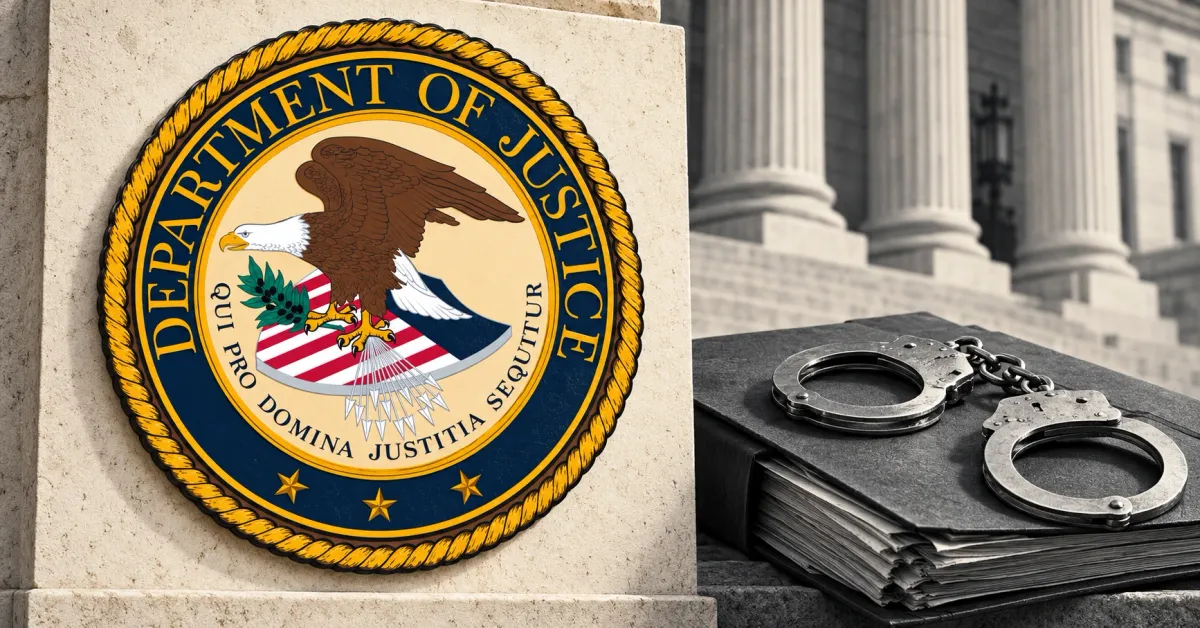
A Chinese national accused in a cryptocurrency investment scam involving more than $36.9 million and 174 identified American victims appeared in a California court after extradition from the Netherlands, advancing a U.S. prosecution of a Cambodia-linked laundering network.
Zheng Zhao, 44, was arraigned October 23 in the Central District of California. The Justice Department announced the appearance in a case concerning fraudulent investment platforms and the movement of victims’ money overseas.
Bitcoin closed October 23 at $81,078.04, down 0.282%, after trading between $80,401.34 and $82,102, according to ChartExchange’s historical data. The figures provide broader crypto-market context, rather than evidence of a response to this prosecution.
In its extradition announcement, DOJ said its international-affairs office worked with Dutch authorities to secure Zhao’s arrest and transfer. The case forms part of its Cyber-Enabled Scam Initiative.
The financial harm predates this week’s court appearance. Earlier releases describe the same network, distinguishing this prosecution from the separate Southeast Asian scam disruption involving Coinbase freezes. An extradition brings a defendant before a court; it does not establish guilt or repay victims.

Bitcoin
BTCSource: ChartExchange, sampled completed UTC closes checked October 24. The unfinished October 24 session is excluded.
The $36.9M crypto scam ran through bank accounts
DOJ’s June 2025 account of five guilty pleas described a network that approached Americans through messages, social media, calls and dating services. After building trust, participants promoted supposed digital-asset investments.
The platforms displayed apparent gains while the money was being stolen, prosecutors said. U.S. shell companies and bank accounts helped move proceeds abroad, connecting the initial deception to a separate financial infrastructure.
More than $36.9 million went to one Deltec Bank account in the Bahamas held in the name of Axis Digital Limited, according to that release. Participants directed conversion into Tether’s USDT stablecoin and transfers to a wallet controlled in Cambodia, followed by payments to scam-center leaders.
The account describes investment fraud and laundering, rather than an exploit of a blockchain protocol. Naming USDT as a transfer instrument does not establish that its issuer participated in the scheme. Nor does the release provide a basis for attributing the entire network’s conduct to any one defendant.
As of an October 24, 18:06 UTC review, DOJ’s published figures remained more than $36.9 million and 174 identified U.S. victims. Its January sentencing announcement already included both figures. They should not be presented as newly discovered losses or added to earlier totals.
The reviewed announcements supply no wallet addresses or transaction hashes for an independent explorer reconstruction. They also do not identify a fresh attack wave, a new affected-wallet count or a current net-unrecovered balance.
Zhao’s extradition follows eight guilty pleas
Zhao was charged in August 2025 with conspiracy to commit money laundering, DOJ said. The charge carries a maximum prison term of 20 years if he is convicted. That statutory ceiling is not a sentence or a prediction of the case’s outcome.
The October release says eight co-conspirators have pleaded guilty. Their pleas concern their own conduct; they do not determine Zhao’s guilt. He remains presumed innocent unless proven guilty in court.
Earlier sentencing records show the case has already produced financial orders. Shengsheng He received 51 months in prison in September 2025 and was ordered to pay $26,867,242.44 in restitution. DOJ identified him as a former Axis Digital co-owner who pleaded guilty to an unlicensed money-transmitting conspiracy.
Jingliang Su received 46 months in January 2026 following a guilty plea to the same type of offense. DOJ reported an identical restitution amount in his case. The matching figures should not be added together as evidence of twice that amount in separate victim losses.
Restitution is a court-ordered obligation to compensate victims. Neither sentencing announcement establishes that the full amount was collected or distributed. A prison term, an enforceable payment obligation and a completed reimbursement answer different questions.
The distinction also arises in the separate NovaTech monetary-relief proceedings. Public enforcement figures need to be read alongside the procedural stage and evidence of actual recovery.
Crypto scam victims still face recovery uncertainty
The FBI’s investment-fraud guidance describes how professional-looking sites and apparent early returns can sustain confidence in a false investment. A convincing account balance is not proof that an asset was bought or that withdrawals remain available.
The agency directs suspected victims to stop sending money and report to its Internet Crime Complaint Center. Useful evidence includes receiving addresses, transaction hashes, dates, amounts, communications and the websites used. People without complete transaction records can still report what they have.
Recovery claims create another risk. In a separate warning about fraudulent recovery services, the FBI said scammers may impersonate law enforcement or legal professionals and demand upfront fees. Private recovery businesses cannot issue seizure orders, and law enforcement does not charge victims to investigate crimes.
That guidance does not establish that Zhao’s case has generated a recovery scam. It explains why a new prosecution headline should not be treated as authentication for an unsolicited offer to return funds.
Fear & Greed Index
Oct. 24, 2026Alternative.me’s Fear and Greed Index stood at 51, or neutral, when checked October 24. It measures broader market sentiment, not the likelihood of recovering money from this scheme.
DOJ’s latest announcement gives no trial date, Zhao-specific restitution order or completed victim-payment total. The next substantive developments are court proceedings on his charge and documented collection or distribution of assets in the wider case.
Stay up to date
Get the latest crypto insights delivered to your inbox
Primary sources and further reading
| Source | Title |
|---|---|
| | DOJ: Zheng Zhao extradition and arraignment, October 23, 2026 |
| | DOJ: Five guilty pleas in the same investment-scam network, June 2025 |
| | DOJ: Shengsheng He sentencing and restitution, September 2025 |
| | DOJ: Jingliang Su sentencing and victim count, January 2026 |
Fact-checked by: Daily Crypto Briefs Fact-Check Desk
Related Articles





Frequently Asked Questions
Who is Zheng Zhao in the $36.9 million crypto scam case?
Zhao is a Chinese national accused of money-laundering conspiracy. DOJ says he appeared in California on October 23, 2026 after extradition from the Netherlands. He is presumed innocent.
Were 174 new crypto scam victims discovered in October?
No new discovery is established. DOJ had already reported the 174 identified U.S. victims in January 2026; October's development is Zhao's extradition and arraignment.
Was $36.9 million stolen in a new blockchain hack?
No. DOJ describes an investment-fraud and laundering network, with more than $36.9 million transferred through a Bahamas bank before conversion to USDT. The amount was publicly reported in 2025.
Have victims received the restitution ordered in this case?
The reviewed DOJ releases report restitution orders against two previously sentenced defendants, but do not establish how much victims have actually received. An order is not a completed repayment.
Where can crypto investment-scam victims report losses?
The FBI directs victims to its Internet Crime Complaint Center at IC3.gov and asks for transaction details, wallet addresses, communications and the scam website information.