 Daily Crypto Briefs
January 1, 2026
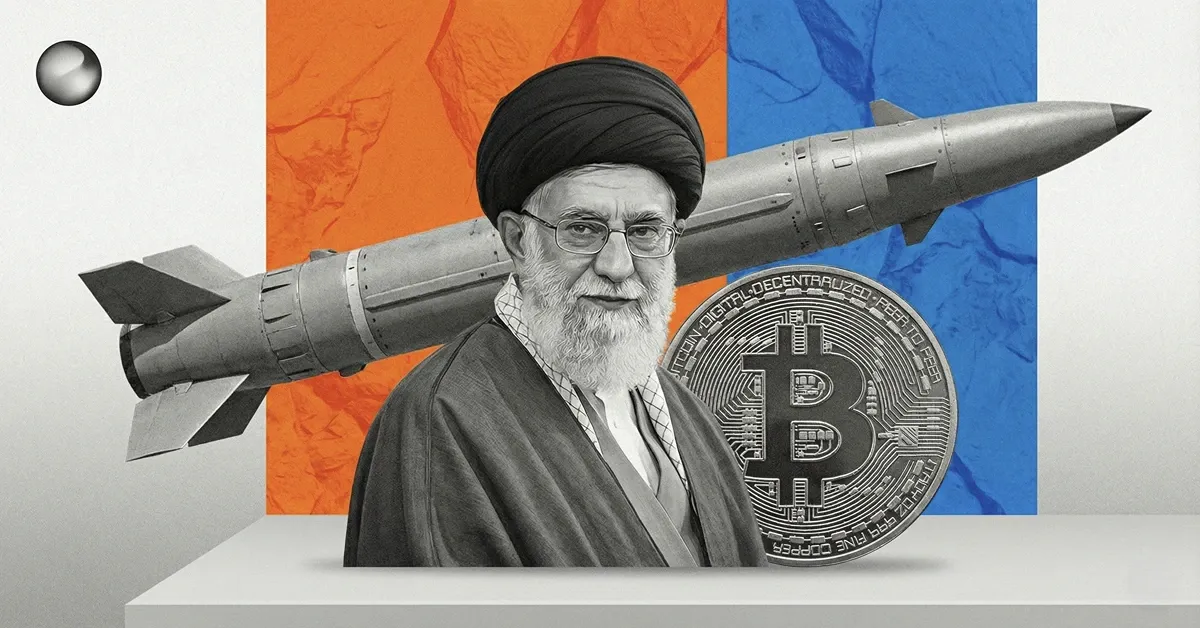
Iran’s defense export portal Mindex listed cryptocurrency as a payment option for contracts tied to missiles and drones, as bitcoin traded near $88,268 in a fresh test for crypto’s sanctions narrative.
Mindex, which describes itself as a Ministry of Defence export center on its about page, publishes English-language product pages and an FAQ for prospective buyers. The site’s language does not show how often the option is used, what coins are accepted, or whether any deliveries linked to crypto payments have taken place.
Bitcoin market snapshot as the Mindex listing circulates
Bitcoin was up about 0.7% over the past 24 hours at roughly $88,268, while ether rose about 0.3% to around $2,986, according to CoinGecko data as of 21:57 UTC. Total crypto market value stood near $3.08 trillion, up about 0.8% on the day, and bitcoin dominance was about 57% at the time, a measure of bitcoin’s share of total crypto market value.
Bitcoin (BTC): 24 hours price snapshot
BTC
Iran’s Mindex lists “cryptocurrency agreed upon in the contract”
The clearest statement is on the site’s FAQ page, where Mindex lists payment methods and contract terms. In the payment section, the site says one option is “in the form of payment in the cryptocurrency agreed upon in the contract.”
The wording does not name a specific cryptocurrency or stablecoin. The FAQ also does not list a wallet address or payment processor, which limits what onchain investigators can confirm without more details.
Contract language also leaves room for case-by-case negotiation. A “cryptocurrency” payment could mean bitcoin, ether, or a stablecoin, which is a token designed to track the value of a currency like the U.S. dollar. None of those options are disclosed on the site’s FAQ.
Mindex’s pages also do not include a transaction log, pricing table, or public checkout flow. Without wallet addresses or other identifiers, readers cannot match the claim to onchain payments in the way they might track a published donation address or a known exchange wallet.
The catalog pages linked from the same domain include missile and rocket categories and a Shahab-3 page that describes the Shahab-3 as a medium-range ballistic missile and references other missile programs. In the aviation section, the site lists unmanned aerial vehicles, or UAVs, and a Mohajer-10 post that refers to the Shahed 136 drone.
A separate Shahed-278 product page describes a light helicopter and lists both military and civilian roles. That mix of use cases is common across defense catalogs, and it can blur the line between conventional aerospace exports and weapons-linked procurement.
The site also lists non-crypto options. The FAQ lists Iranian rials and barter arrangements, meaning goods-for-goods trade, alongside cryptocurrency.
In another FAQ answer, Mindex says sanctions will not prevent contract execution and delivery based on Iran’s approach to sanctions, a claim that is difficult to assess from outside the deal flow. The site does not publish the identities of buyers, shipping terms, or the specific intermediaries that would handle payment and logistics.
For readers outside crypto, the mechanics are simple. A blockchain transfer can move value without a traditional bank wire, and stablecoins can settle dollar value without a correspondent bank chain. That can complicate screening when counterparties are represented by wallet identifiers, even as public ledgers can help investigators trace flows once an address is linked to a real-world actor.
Sanctions compliance risk rises for crypto payment rails
This is not Iran’s first attempt to route trade through digital assets. In 2022, Iran reported its first official import order using cryptocurrency worth $10 million, according to The Register, which cited a post by Iran’s then trade minister. In FAQ 560, the U.S. Treasury’s Office of Foreign Assets Control said the compliance obligations are the same whether a transaction is denominated in digital currency or in fiat, and it has warned about sanctions circumvention attempts through virtual currency in FAQ 1021, which links to its broader virtual currency compliance guidance.
In practice, sanctions enforcement in crypto often hinges on attribution. Once a wallet is connected to a blocked party, exchanges and wallet providers can screen it, and investigators can follow related flows across a public ledger. When addresses are not published and counterparties are not named, outside observers are left with a headline claim and little else to verify.
Digital currencies are moving from a speculative asset class toward real payment usage in more countries, which can support legitimate commerce and remittances. When the same tools are pitched for weapons procurement, regulators and the public tend to treat the whole sector as higher risk, which can translate into stricter rules for exchanges, stablecoin issuers, and onchain payment firms.
What remains unclear is which cryptocurrency Mindex would accept, how counterparties are vetted, and whether any payments linked to the site can be identified on public blockchains. Watch for new sanctions advisories, enforcement actions, or designations tied to Iran’s missile and UAV activity, and for policy proposals that reshape how U.S. agencies treat crypto compliance, a topic we cover in US Crypto Regulation 2026: SEC, CFTC, Stablecoins, Taxes.
Stay up to date
Get the latest crypto insights delivered to your inbox
Primary sources and further reading
| Source | Title |
|---|---|
| | Mindex Center - FAQ |
| | Mindex Center - Shahab-3 Missile (blog post) |
| | Mindex Center - Mohajer-10 (blog post) |
| | Mindex Center - SHAHED-278 (product page) |
| | The Register - Iran reveals use of cryptocurrency to pay for imports (2022) |
| | OFAC - FAQ 560 on virtual currency |
| | OFAC - FAQ 1021 |
| | OFAC - Sanctions Compliance Guidance for the Virtual Currency Industry (PDF) |
| | CoinGecko - Global charts |
| | Coinbase Exchange API - BTC-USD candles (hourly) |
Fact-checked by: Daily Crypto Briefs Fact-Check Desk
Frequently Asked Questions
Is Iran accepting crypto payments for ballistic missiles and drones?
Mindex, a site that describes itself as Iran’s Ministry of Defence export center, lists “payment in the cryptocurrency agreed upon in the contract” as an option on its FAQ page. The site does not disclose completed deals, counterparties, or which crypto assets would be accepted.
What is Mindex?
Mindex is a website that says it is affiliated with Iran’s Ministry of Defence export center and publishes product pages plus an FAQ describing contract and payment terms.
Does crypto automatically bypass sanctions?
No. Sanctions obligations can apply regardless of whether a transaction is denominated in virtual currency or in fiat, and dealing with blocked parties can still trigger penalties.
Can blockchain data confirm whether a weapons deal happened?
Not from this site alone. The Mindex FAQ does not publish a wallet address or payment processor, so public blockchain analysis cannot link the claim to specific transactions without more identifiers.
What is a stablecoin and why does it matter for sanctions screening?
A stablecoin is a crypto token designed to track the value of a currency such as the U.S. dollar. Stablecoins can move value without a bank wire, which can complicate screening when counterparties are represented by wallet identifiers.
What should readers watch next?
Watch for sanctions advisories, enforcement actions, and designations tied to Iran’s missile and UAV activity, plus updated guidance aimed at exchanges and payment firms on screening crypto flows.