 Daily Crypto Briefs
BENTONVILLE, Ark., Jan. 4, 2026
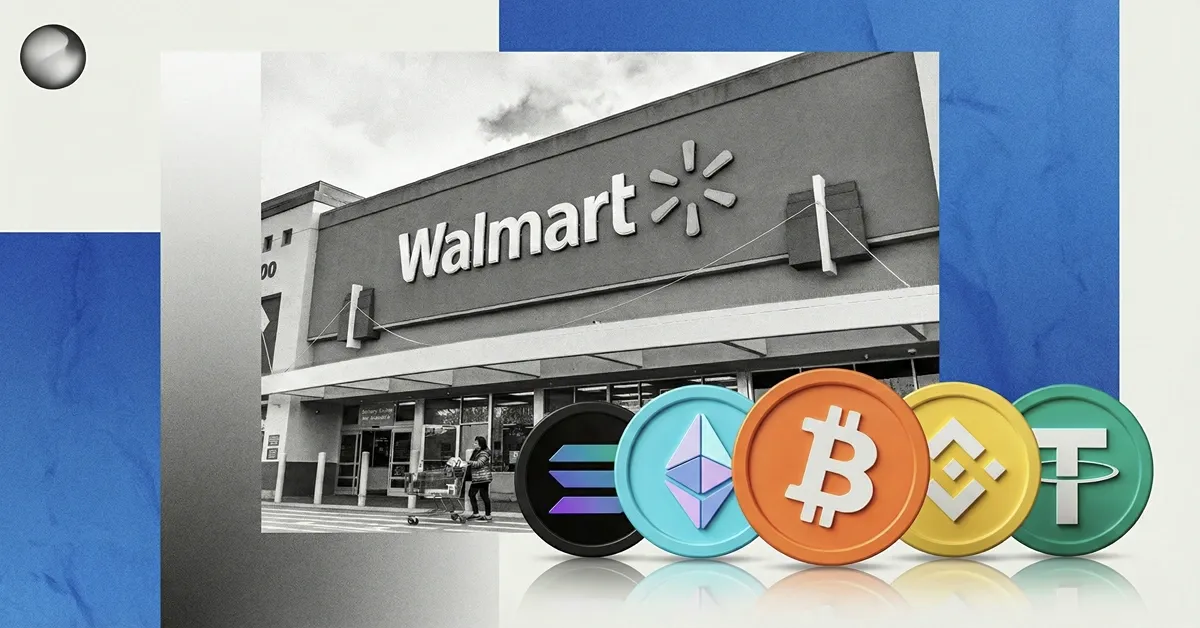
Walmart-backed fintech OnePay has rolled out in-app Bitcoin and Ethereum trading starting at $1, with sale proceeds settling into a cash balance that can be used for Walmart purchases.
The new feature, branded OnePay Crypto, lets eligible OnePay Cash customers buy and sell bitcoin (BTC) and ethereum (ETH) inside the OnePay app, while checkout in Walmart stores runs through OnePay’s existing wallet and card rails rather than an on-chain payment.
OnePay Crypto adds $1 BTC and ETH trading inside Walmart’s fintech app
OnePay’s Help Center spells out the spending flow in plain terms: “OnePay Crypto does not support transfers to or from external digital wallets. If you want to use the funds from your crypto, you’ll need to sell it first.” The same page says sale proceeds are added automatically to the user’s OnePay Cash debit balance shortly after execution.
The app routes users through a OnePay Cash account, which OnePay says is required to fund trades, and OnePay’s crypto pages describe bitcoin and ethereum as the only assets currently supported.
OnePay says crypto orders are market orders that are submitted immediately, with a minimum trade size of $1, a setup that prioritizes simplicity over order control for users who are used to card swipes and instant checkout.
Fees apply. OnePay says trading fees vary by transaction size and that a spread may also apply, which it describes as the difference between the market price and a user’s trade price.
In practice, a market order trades right away at the best available price, and a spread means the trade price can differ from a headline quote.
For custody and execution plumbing, OnePay’s disclosures say “cryptocurrency transaction and custody services are powered by Zero Hash LLC and Zero Hash Liquidity Services LLC,” linking the product to the same crypto infrastructure model many fintechs use to avoid building broker and custodian stacks from scratch.
OnePay also flags the risk profile. Its crypto page says cryptocurrency is not insured by the SIPC, FDIC, or any federal government agency, and that crypto can lose value, including the entire amount of an investment.
Walmart bitcoin checkout rumor: what is really going on
The current product pages land months after early reporting. CoinDesk, citing a CNBC report published in October 2025, said OnePay planned to add bitcoin and ether trading and custody powered by Zero Hash, with OnePay not publicly confirming the rollout at the time. The confusion echoes Walmart’s own 2021 response to a fake Litecoin “partnership” press release, when the company published a corporate statement pushing back on a crypto payments claim.
The key distinction is where the conversion happens. OnePay’s crypto feature keeps holdings inside the app, and OnePay says users cannot transfer BTC or ETH to an external wallet, which means there is no tap to pay from your wallet moment at a Walmart register.
Spending runs through dollars. OnePay Wallet says users can pay in store by scanning a QR code from the OnePay app at Walmart checkouts, and OnePay’s crypto help pages say selling converts crypto into a cash debit balance automatically, which can then be used like any other wallet or card-funded purchase.
OnePay’s wallet materials also describe how the in-store flow works. It says shoppers can scan a QR code during checkout and that the wallet can be used online at Walmart.com through a Walmart account payment setting.
That design changes the user story, not the store rails. The register still sees a standard payment method, while the crypto trade and conversion sit upstream in the app.
Taxes are part of the tradeoff. Selling crypto to fund spending can create a taxable event in the U.S., and OnePay’s crypto help materials point users toward tax reporting resources tied to their activity.
Some details still are not clear from public materials, including which U.S. states and territories are supported at launch, how transaction limits are set per user, and whether OnePay plans to add transfers or more assets beyond BTC and ETH.
OnePay vs Cash App and Venmo
OnePay’s approach stitches trading to a spendable cash balance inside a retailer-linked app, which may lower friction for users who already shop at Walmart, while keeping crypto exposure behind a sell step that can surface fees, spreads, and volatility at the worst possible time.
It also puts OnePay in a familiar competitive lane. Apps like Cash App’s bitcoin feature and Venmo’s crypto offering already let U.S. users buy and sell major coins, and OnePay is pairing that playbook with a Walmart checkout loop through QR code payments and rewards.
The product framing is closer to brokerage-style access than to paying from a self-custody wallet, and OnePay’s own help pages make that boundary explicit by requiring a sale to cash before funds are spendable. For users, that can simplify security and support, and it can also limit what they can do with crypto beyond holding, buying, and selling.
The payments backdrop is shifting at the same time, with stablecoins moving deeper into card-network settlement. For a parallel example of how crypto rails can sit behind a normal card experience, see Visa Just Enabled USDC Settlement on Solana in the U.S..
What to watch next is operational, not ideological: how quickly OnePay expands crypto availability across jurisdictions, how fees and spreads compare with peer apps, and whether the company keeps crypto as a closed loop product or later adds transfers that make it behave more like a traditional wallet.
Stay up to date
Get the latest crypto insights delivered to your inbox
Primary sources and further reading
| Source | Title |
|---|---|
| | OnePay - OnePay Crypto product page |
| | OnePay Help Center - Buying and Selling Crypto |
| | OnePay Help Center - Application and Onboarding for OnePay Crypto |
| | OnePay - OnePay Wallet (pay at Walmart with QR code) |
| | OnePay - OnePay Crypto Account Agreement |
| | OnePay - Zero Hash disclosures |
| | CoinDesk - OnePay to add Bitcoin and Ether trading (CNBC report) |
| | Walmart corporate - Statement in response to fake Litecoin press release (2021) |
| | CoinGecko API - BTC and ETH price, 24h change, volume |
| | CoinGecko API - Global crypto market metrics |
Fact-checked by: Daily Crypto Briefs Fact-Check Desk
Frequently Asked Questions
Does Walmart accept bitcoin directly at checkout?
Not based on any official checkout change. OnePay’s crypto feature is trading and custody inside the app, and spending at Walmart runs through OnePay Wallet and other payment methods rather than an on-chain crypto payment at the register.
What coins can you trade in OnePay?
OnePay’s crypto pages describe support for bitcoin (BTC) and ethereum (ETH).
Can you withdraw bitcoin or ethereum from OnePay to an external wallet?
No. OnePay’s Help Center says OnePay Crypto does not support transfers to or from external digital wallets, so users must sell to cash to use the funds.
Where do the proceeds go when you sell crypto in OnePay?
OnePay’s Help Center says proceeds from crypto sales are added automatically to the user’s OnePay Cash debit balance shortly after execution.
Are OnePay crypto holdings FDIC or SIPC insured?
OnePay’s disclosures say cryptocurrency is not insured by the SIPC, FDIC, or any federal government agency and is not a deposit.