South Korean regulators are set to exclude dollar-pegged stablecoins like USDT and USDC from corporate trading guidelines, creating compliance hurdles.
Crypto.com said the OCC conditionally approved its national trust bank charter, moving crypto custody closer to a single federal rulebook in the U.S.
Brazil’s Chamber of Deputies is weighing a relator’s update to PL 4501/2024 that targets a sovereign Bitcoin reserve of at least 1 million BTC in five years.
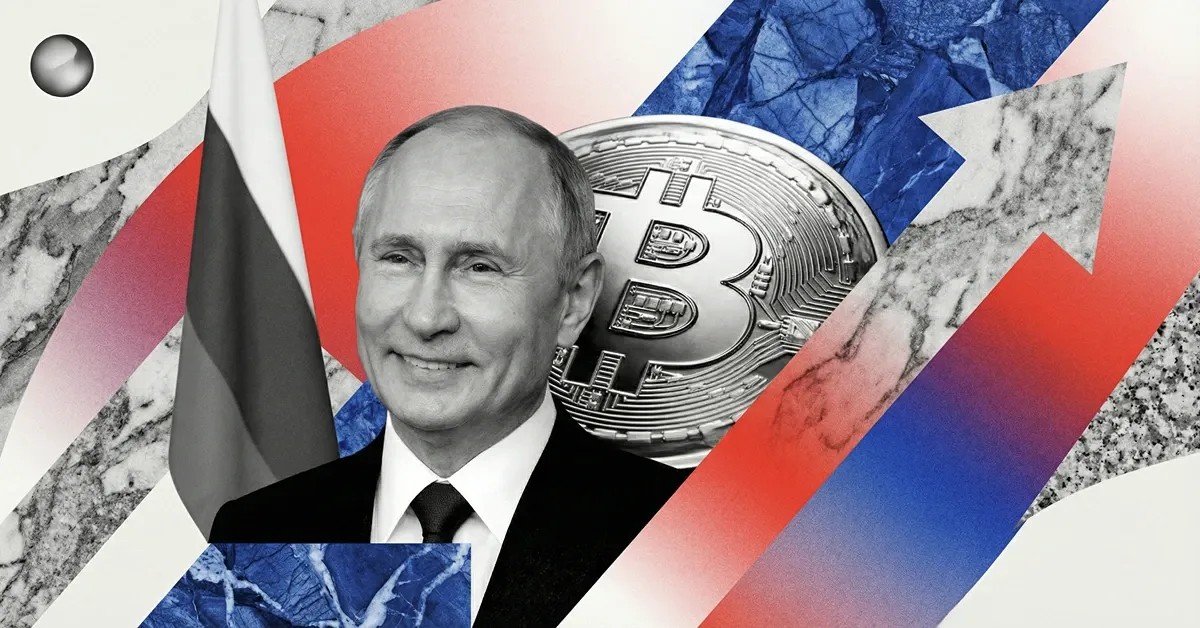
Bank of Russia has proposed a regulated framework that would let retail and professional investors buy crypto via licensed intermediaries, with tests and a 300,000-ruble annual cap for non-qualified buyers.
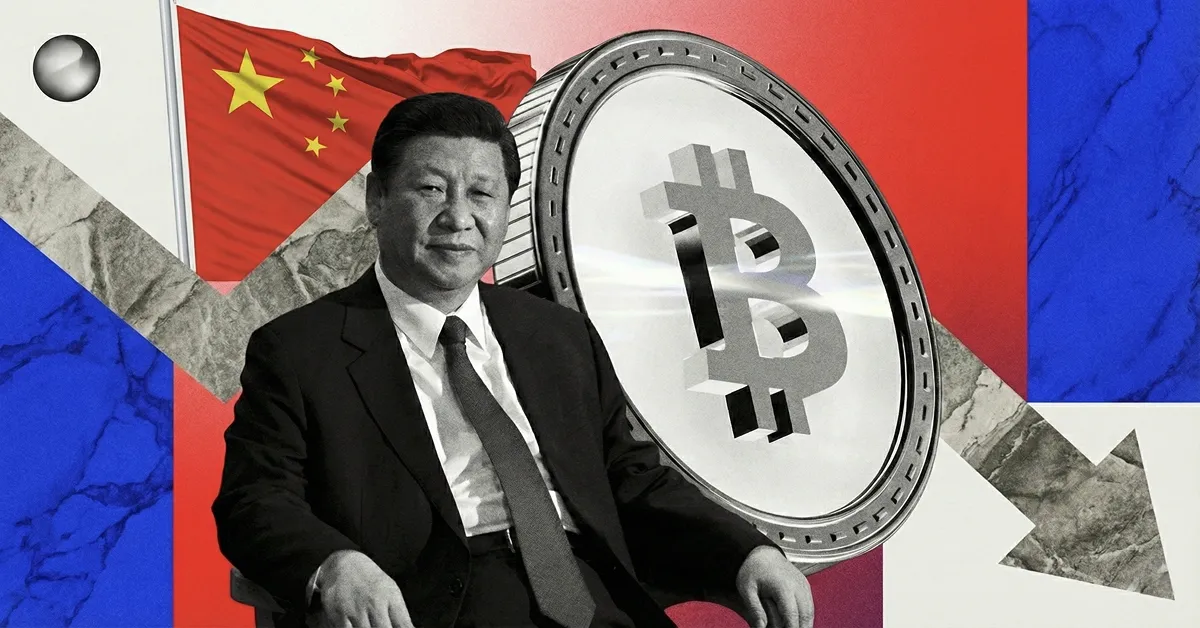
China’s central bank updated a joint notice reinforcing a sweeping crypto ban, targeting offshore services, RMB stablecoins, and RWA tokenization.
White House talks over stablecoin rewards ended without an agreement, leaving U.S. crypto legislation in limbo as banks and the industry fight over who gets the yield.
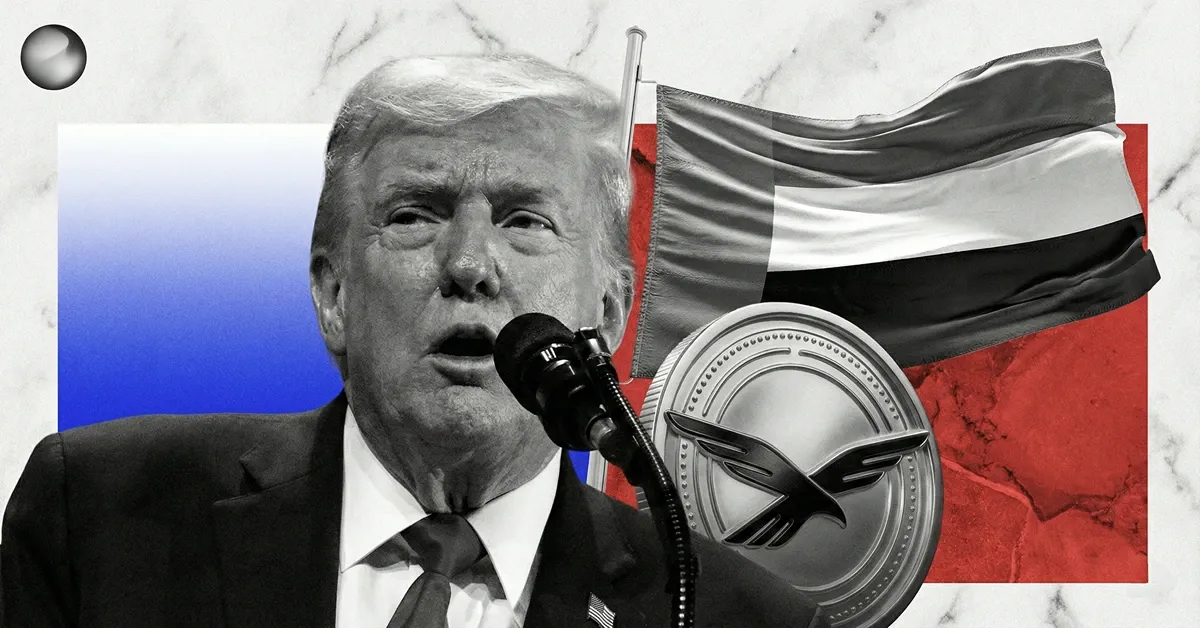
A Wall Street Journal reported that an Abu Dhabi entity agreed to buy 49% of World Liberty Financial for $500M. Here’s what’s known.
Senate Agriculture released updated crypto market structure bill text expanding CFTC authority and set a Jan. 27 markup, after bipartisan talks stalled.
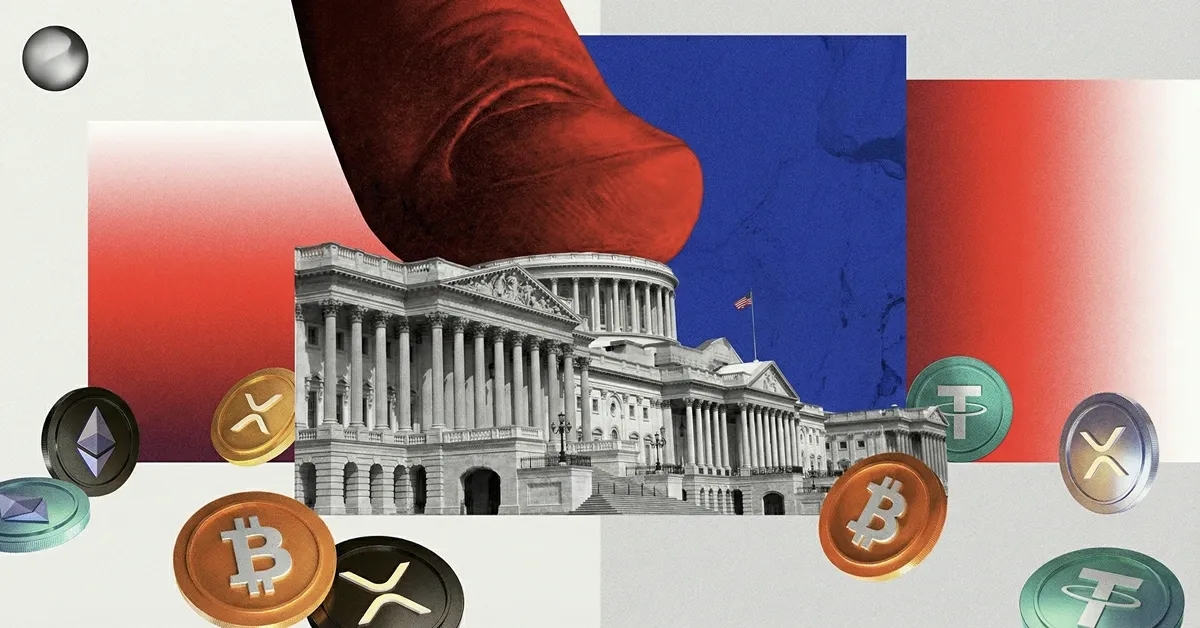
Senate Banking delayed the Jan. 15 CLARITY Act markup on H.R. 3633, keeping U.S. crypto market-structure legislation in limbo—what happens next.
Wyoming’s state-issued stablecoin FRNT goes live on Kraken. How it works, freeze/seizure rules, and what a public launch signals for U.S. crypto.
CLARITY Act market-structure bill slips toward 2026 as Senate markup timing drags. Democrats raise Trump-related crypto ethics concerns, per CoinDesk.
Banks are using the GENIUS Act to reshape the stablecoin market: Banks want control of the stablecoin market, starting with USDC and circling Tether.
GENIUS Act is now U.S. law: 1:1 reserves, monthly disclosures, no issuer-paid yield. How it changes stablecoins and USDC/USDT outlook.