 Daily Crypto Briefs



BRUSSELS, June 10, 2026
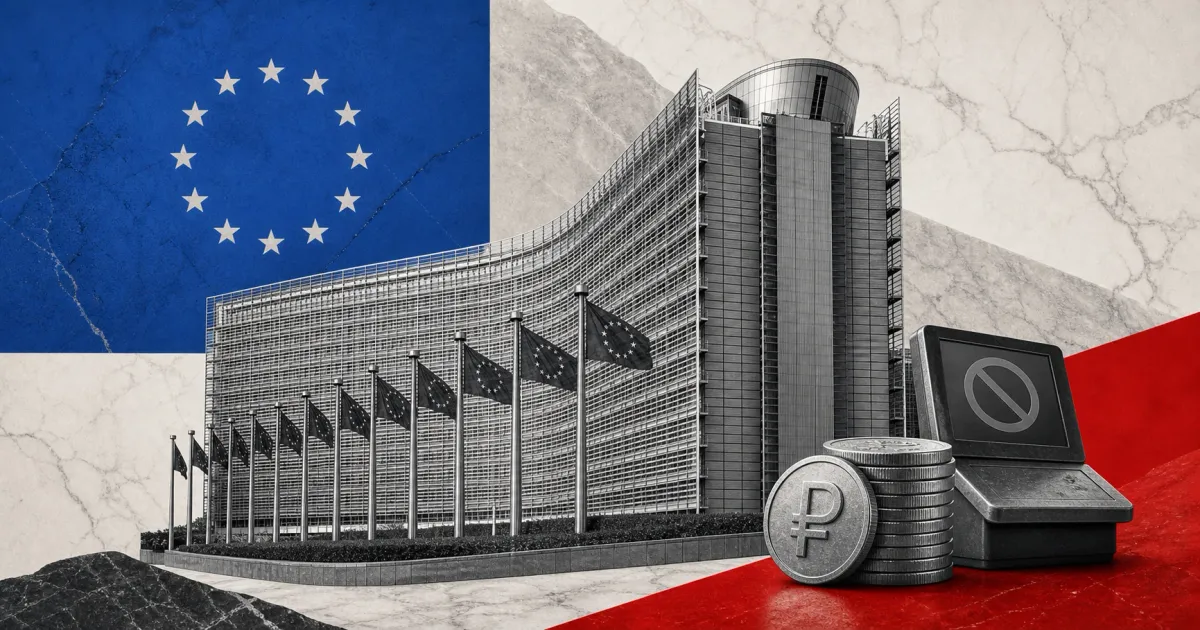
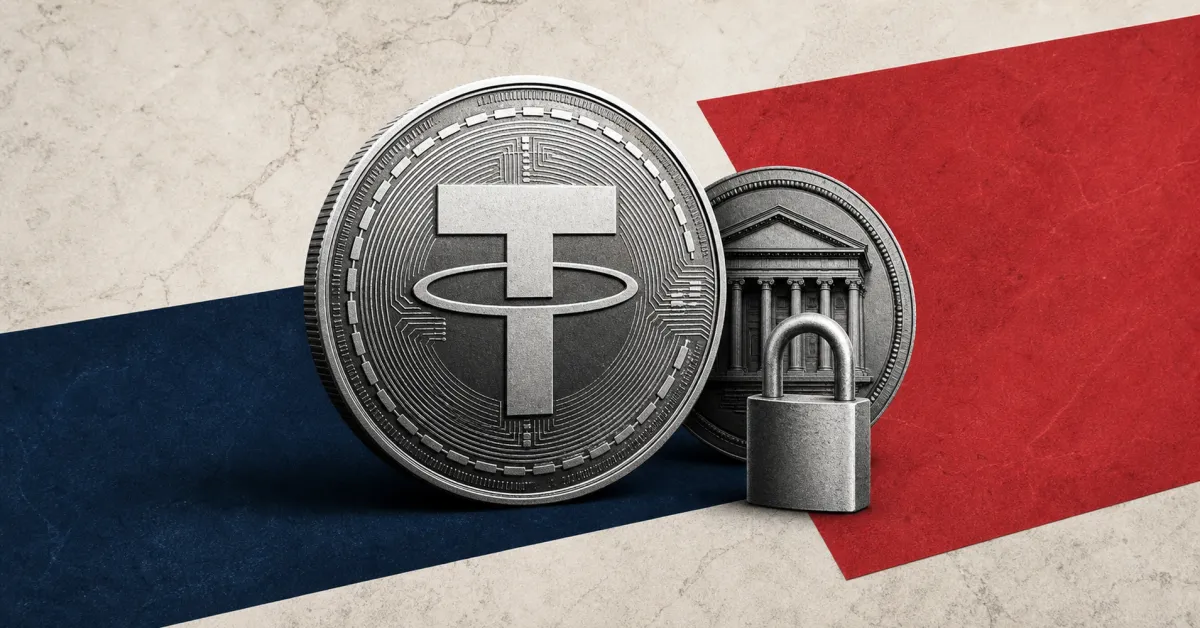
The European Commission proposed a 21st Russia sanctions package that would let the bloc impose a full third-country ban on crypto-asset services, escalating pressure on Russia-linked platforms as bitcoin traded near the low $60,000s.
The proposal is aimed at the financial channels Russia uses after being cut off from parts of the Western banking system. It would extend the EU’s crypto sanctions from direct Russian service providers toward non-EU platforms, banks and traders accused of helping Moscow move money around existing restrictions.
The numbers explain why Brussels is moving beyond one-off exchange listings. The Guardian reported that the package would target 20 banks, crypto firms and oil traders in third countries, add 30 shadow-fleet vessels to a list that already covers 632 ships, and keep Russia’s oil price cap at $44 until January 2027.
TRM Labs said the A7 network had more than $56 billion in direct related volume, while Chainalysis said the A7A5 ruble-backed stablecoin logged $93 billion in trading volume in its first year. Elliptic said A7A5 had crossed $100 billion in aggregate transactions by January.
European Commission President Ursula von der Leyen said the package would introduce, for the first time, “the possibility of a full third-country ban for crypto-asset services.”
The proposal follows the EU’s 20th package, which already imposed a broad transaction ban on crypto providers established in Russia and Belarus. The new step would sharpen the focus on platforms outside Russia that act as workarounds, a pattern EU and blockchain analytics sources say has repeated after earlier enforcement actions.
For crypto firms, the practical read is jurisdictional risk. A platform does not need to be Russian to become a sanctions problem if it services Russia-linked flows, lists sanctioned assets, or becomes a bridge between rubles, USDT and offshore cash-outs.

Bitcoin
BTCEU Crypto Ban Targets Third-Country Platforms
The 21st package still needs unanimous approval from the EU’s 27 member states. Until that happens, it is a proposal, not a binding rule. That distinction matters for exchanges, market makers and stablecoin issuers that need to know when screening obligations actually change.
The direction, however, is clear. Brussels is treating Russia-linked crypto activity as financial infrastructure, not only as token trading. The Commission is trying to cut off service providers that may sit in third countries but still support Russian settlement, sanctions evasion or oil-trade payments.
The move also builds on the European Commission’s 20th sanctions package, which introduced a sectoral ban on providers and platforms established in Russia that allow the transfer and exchange of crypto assets. That package also banned transactions in RUBx and support for the digital ruble.
The new proposal would give the EU a way to reach beyond the Russian perimeter when replacement platforms appear elsewhere. That is the same policy logic behind recent national-security crypto enforcement, including U.S. action against Iran-linked Nobitex and related exchange networks.
A7A5 Stablecoin Shows Why Brussels Is Escalating
A7A5 is the clearest case study because it turns a sanctions story into a stablecoin market-structure story. Elliptic describes A7A5 as a ruble-backed stablecoin launched in January 2025 by Russia-linked A7 infrastructure and issued through a Kyrgyzstan-based company, with claimed backing tied to ruble deposits at Promsvyazbank.
TRM said A7 is a Kremlin-backed cross-border sanctions-evasion platform and that its address cluster had more than $56 billion in direct volume. It also said A7-associated wallets showed exposure to sanctioned exchanges Garantex and Grinex, Kyrgyzstan-registered entities, Chinese intermediaries, and other high-risk networks.
Chainalysis separately said A7A5 recorded $93 billion in first-year trading volume, with most flowing through exchanges with strong Russian ties. Those figures make the token more than a niche stablecoin. It is a settlement rail that analytics firms say helped Russia-linked users move between rubles, crypto platforms and USDT liquidity.
The same stablecoin issue has been moving through other regulatory systems. Daily Crypto Briefs recently covered China’s renewed pressure on RMB stablecoins and offshore exchange access, a separate case that shows why governments are watching currency-linked crypto rails more closely.
Compliance Pressure Moves Beyond Russia
The compliance burden will fall hardest on platforms that cannot confidently identify where counterparties are established, who controls liquidity pools, and whether a supposedly offshore customer is connected to a sanctioned Russian network. That is a harder standard than checking a static sanctions list.
TRM said the EU’s prior move shifted obligations toward jurisdictional screening, including whether a crypto service provider is established in Russia even if it has not yet been individually named. A third-country ban would extend that logic by letting the EU target services outside Russia when they act as sanctions-evasion channels.
For legitimate exchanges, the risk is not only a fine. A platform that becomes known as a Russia-linked cash-out venue can lose banking access, stablecoin issuer support, market-maker relationships and institutional counterparties. That reputational channel can move faster than a formal enforcement case.
The market is already in a defensive mood.
Fear & Greed Index
June 9, 2026Sanctions rules do not directly create bitcoin selling pressure in the way ETF outflows do, but they can affect liquidity when exchanges restrict users, delist assets, freeze accounts or screen stablecoin flows more aggressively. That is one reason European regulatory changes matter even outside Europe, alongside retail-market proposals such as the U.K. plan to allow limited crypto ETN exposure in funds.
The next checkpoint is political. EU governments can amend the package, and unanimity is required before the measures take effect. What remains unknown is which crypto platforms or third-country service providers would be named first, how broad the final ban would be, and whether stablecoin issuers will preemptively tighten screening around A7A5, RUBx and Russia-linked exchange clusters.
Stay up to date
Get the latest crypto insights delivered to your inbox
Primary sources and further reading
| Source | Title |
|---|---|
| | European Commission: Statement on 21st sanctions package against Russia |
| | European Commission: 20th Russia sanctions package including crypto |
| | TRM Labs: 2026 Crypto Crime Report |
| | Chainalysis: UK sanctions crypto entities tied to Russia |
| | Elliptic: A7A5 crosses $100B in transactions |
| | Guardian: EU 21st sanctions package details |
| | CoinMarketCap: Bitcoin price |
| | Alternative.me: Crypto Fear and Greed Index |
Fact-checked by: Daily Crypto Briefs Fact-Check Desk
Related Articles


Frequently Asked Questions
What did the EU propose for crypto in the 21st Russia sanctions package?
The European Commission proposed adding the possibility of a full third-country ban for crypto-asset services, aimed at platforms outside the EU that help Russia evade sanctions.
Does the EU crypto ban take effect immediately?
No. The proposal must be reviewed and unanimously approved by EU member states before the measures become binding.
Why is A7A5 important to the Russia sanctions story?
A7A5 is a ruble-backed stablecoin tied by blockchain analytics firms to Russia-linked sanctions evasion networks, including A7, Garantex and Grinex.
How large is the Russia-linked crypto network cited by analytics firms?
TRM said A7-related wallets showed more than $56 billion in direct volume, while Chainalysis said A7A5 logged $93 billion in trading volume in its first year.