 Daily Crypto Briefs




MOSCOW, July 3, 2026
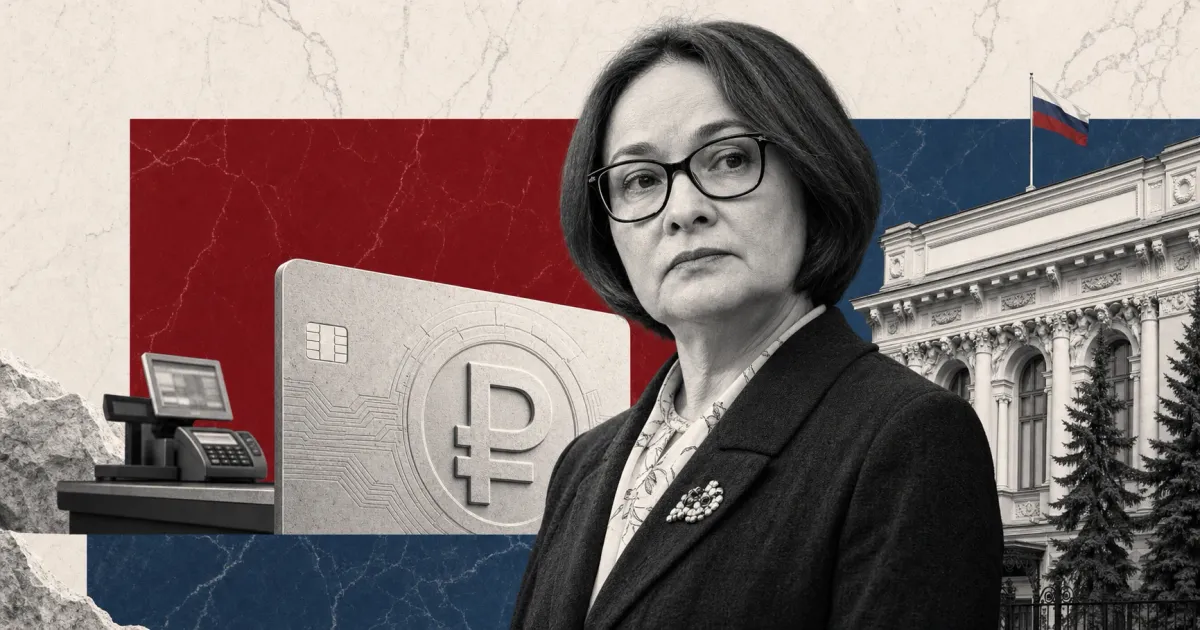
Bank of Russia Governor Elvira Nabiullina said major banks and large retailers are technically ready for Russia’s Sept. 1 digital ruble rollout, putting one of the world’s largest CBDC programs on a fixed payments deadline as bitcoin traded near $61,854.
The rollout does not make the digital ruble Russia’s only money. It starts a phased requirement for systemically important banks and qualifying retailers to support the central bank digital currency, while cash and ordinary bank rubles continue to circulate.
Market context remains defensive. Bitcoin market data checked Friday showed BTC near $61,854, up from about $59,980 on July 1 but still below the early-June level near $66,650. CoinDesk’s bitcoin price page showed the same broad rebound zone, while Alternative.me’s Crypto Fear and Greed Index printed 21, or Extreme Fear, for July 3.
Decrypt reported that Nabiullina said “Everything is ready” for widespread use during a Bank of Russia Financial Congress briefing. The Block reported that the central bank chief said systemically important banks and large domestic enterprises are technologically prepared to connect with and accept the digital currency.
The current deadline follows a longer legal setup. The Bank of Russia said in 2025 that major banks must be first to offer digital ruble accounts, transfers and payments, while retailers with annual revenue above 120 million rubles must accept digital ruble payments from Sept. 1, 2026.
That makes the next two months less about whether Russia has designed a CBDC and more about whether banks, retailers and consumers will use it at scale. The official system is moving from pilot metrics into daily payment infrastructure.

Bitcoin
BTCDigital Ruble Deadline Hits Major Banks
The Sept. 1 requirement starts with the largest institutions. The Bank of Russia’s 2025 notice said major banks must let clients open accounts, make transfers, pay for goods and services, and conduct other digital ruble transactions.
The same rollout notice put large retailers inside the first wave if they are clients of major banks and had annual revenue above 120 million rubles in the prior year. Banks with universal licenses and retailers above 30 million rubles in annual revenue are scheduled for Sept. 1, 2027, while the remaining banks and smaller retailers follow in 2028.
The payment layer is not limited to a central bank app. The Bank of Russia said people will be able to use digital rubles in conventional banking apps connected to the central bank’s platform, and that all digital ruble transactions will be fee-free for individuals.
The bank also extended the fee-free period for companies through the end of 2026, according to a November Bank of Russia notice. That removes one early cost barrier for retailers asked to accept a new form of payment.
The QR code system is part of the same infrastructure push. Bank of Russia materials say all banks are to adapt their systems to support a universal QR code option by Sept. 1, 2026, with digital rubles to be added later alongside the Faster Payments System, bank platforms and buy-now-pay-later services.
That consumer-facing design makes Russia’s CBDC rollout closer to Europe’s payment-infrastructure work than to a pure wholesale settlement experiment. Daily Crypto Briefs recently covered the digital euro’s planned links to banks, merchants and ATMs, and Russia is now putting a nearer deadline on its own retail payment rail.
Pilot Data Shows the Adoption Test
The Bank of Russia has already run the platform in limited conditions. In a June 2025 pilot update, the regulator said participants from more than 150 Russian localities opened about 2,500 wallets and conducted about 100,000 transactions.
Those numbers are useful because they show both progress and scale risk. A platform can handle test transactions and still face a very different challenge when large banks, national merchants and ordinary consumers are expected to use it.
The central bank said the pilot work covered simple operations, customer experience, cyberattack protection and data privacy. It also said future plans included e-commerce payments, connecting individual entrepreneurs and supporting mass and regular payments by registers.
The public-interest question remains unresolved. Decrypt cited independent reporting that many Russians do not see why they need a third form of money beyond cash and non-cash bank balances. The Bank of Russia’s own language tries to answer that concern by framing the digital ruble as optional and fee-free for individuals.
Russia’s parallel crypto-policy track adds another layer. The country has also been working on rules for regulated crypto investing, including a separate framework for qualified and non-qualified buyers. That proposal, covered by Daily Crypto Briefs in Russia’s retail crypto purchase rules, shows Moscow is separating state digital money from privately issued or decentralized crypto assets.
That separation could matter for banks. A CBDC is a liability of the central bank, while stablecoins and cryptocurrencies carry issuer, market or custody risk. The Bank of Russia is using that distinction to place the digital ruble inside domestic payment plumbing before broader crypto access is fully settled.
Stablecoin Talks Stay Outside Domestic Rollout
The digital ruble announcement also lands as Russia keeps looking for payment alternatives under sanctions pressure. The Block reported that Nabiullina said the central bank is discussing stablecoins for international settlements, but only as a supplement to the digital ruble rather than a domestic priority.
That is the clearest strategic split in the story. Russia’s CBDC is being pushed into local bank and retail payments, while stablecoins are being discussed for cross-border use cases where banks and companies face more external friction.
The sanctions backdrop is not abstract. Daily Crypto Briefs has tracked how the EU moved to tighten pressure on Russia-linked crypto platforms, and U.S. actions against Iran-linked crypto flows show how closely payment rails are now watched by regulators.
The U.S. is moving in the opposite CBDC direction. The Senate passed a temporary Federal Reserve retail CBDC ban through 2030, while Congress and regulators continue building a private stablecoin framework instead of a direct digital dollar for the public.
That contrast gives Russia’s rollout broader search value than a domestic banking update. Russia is trying to make a state digital currency usable in ordinary retail payments, Europe is preparing a digital euro, and the United States is politically blocking a retail Fed token while giving private dollar stablecoins a policy lane.
Market sentiment remains weak even as payment-infrastructure headlines keep arriving.
Fear & Greed Index
July 3, 2026The next checkpoint is operational rather than legislative: whether the first wave of banks and retailers is actually connected by Sept. 1, and whether consumers choose to open wallets once the option appears in bank apps. What remains undisclosed is how much transaction volume the Bank of Russia expects in the first months, which retailers will be most visible at launch and whether wallet-on-bank-balance-sheet ideas move beyond discussion.
Stay up to date
Get the latest crypto insights delivered to your inbox
Primary sources and further reading
Fact-checked by: Daily Crypto Briefs Fact-Check Desk
Related Articles



Frequently Asked Questions
When does Russia's digital ruble rollout begin?
The first mandatory stage begins on Sept. 1, 2026 for major banks and retailers whose annual revenue exceeds 120 million rubles.
Who has to support the digital ruble first?
Bank of Russia materials say major banks must offer clients digital ruble accounts, transfers and payments first, while qualifying retailers that are clients of those banks must accept digital ruble payments.
Will Russians be forced to use digital rubles?
The Bank of Russia says digital rubles will circulate alongside cash and non-cash rubles, and that people will choose whether to pay in digital rubles.
Are digital ruble payments free?
The Bank of Russia says digital ruble transactions will always be fee-free for individuals, and it extended the fee-free period for companies through the end of 2026.
Is Russia also using stablecoins?
The Bank of Russia is reportedly discussing stablecoins for international settlements, but domestic use is not being treated as a priority compared with the digital ruble.