 Daily Crypto Briefs




HONG KONG, Nov. 18, 2026
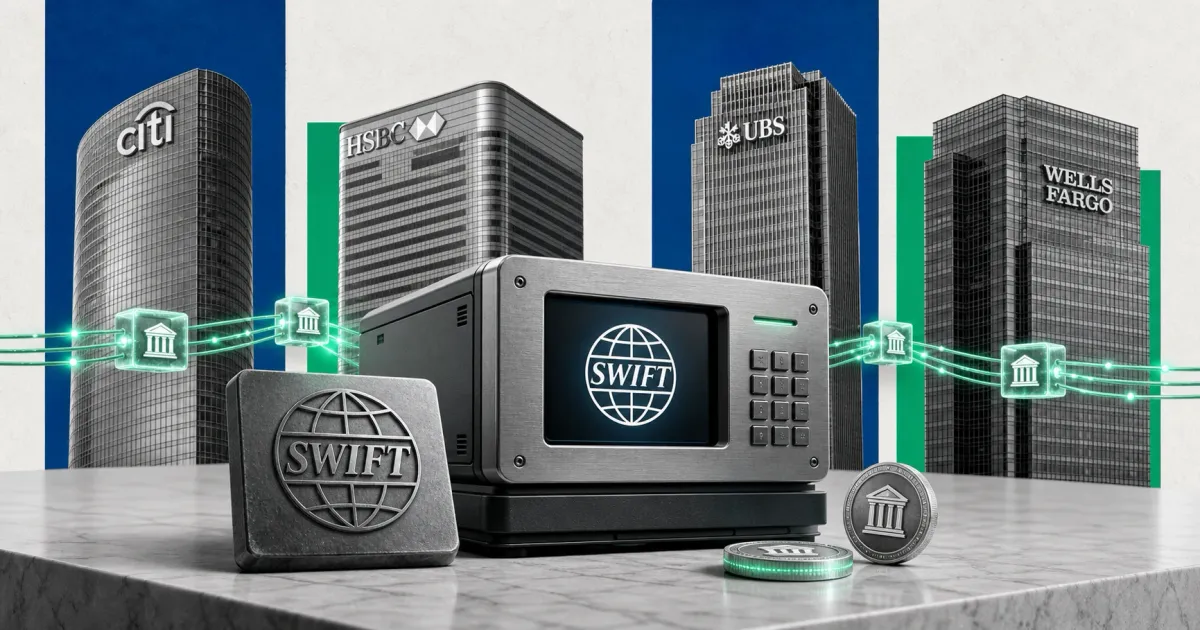
Hong Kong’s monetary authority and Swift are exploring cross-border tokenized bank payments with three banks, extending the push for round-the-clock transfers as blockchain settlement expands beyond cryptocurrency markets.
The Nov. 16 HKMA announcement names HSBC, Standard Chartered Hong Kong and Bank of China Hong Kong. The proposed connection would link Swift ledger with Project Ensemble’s settlement layer to support deposits in multiple currencies.
The infrastructure news comes during a weaker crypto market. Bitcoin closed Nov. 17 at $64,873.18 on Coinbase Exchange, up 0.09% for the UTC session but down 20.3% from Oct. 17. About 11,769 BTC changed hands on that dollar market Tuesday. Those figures describe the trading backdrop, not a measured response to the banking announcement.

Bitcoin
BTCSampled Coinbase Exchange BTC/USD daily closes in UTC.
Swift ledger extends the bank-payment push
HKMA Deputy Chief Executive Howard Lee said the collaboration would examine how connected infrastructure could support payments that operate continuously and can be programmed. The announcement does not disclose a commercial opening date, payment corridors, pricing or transaction volumes.
This is a distinct development from Swift’s July ledger rollout. That earlier milestone established initial readiness and a 17-bank pilot group. The Hong Kong announcement identifies a proposed connection to another settlement system.
Swift’s July 9 release described banks from six continents preparing live tokenized-deposit pilots. Its ledger coordinates bank-issued deposits held on banks’ own ledgers, allowing transfers overnight and on weekends before final settlement through existing systems.
That separates payment coordination from the final discharge of obligations. A shared record can help banks agree what they owe, while the assets and mechanisms used to settle those obligations remain a separate operational question.
Swift also said 75% of payments on its existing network reached beneficiary banks within 10 minutes. That is a network-wide benchmark from July, not a measured speed for the proposed Hong Kong connection. No comparative cost or settlement-time results for this link were published.
Ensemble already supports 24/7 real-value settlement
Hong Kong’s domestic infrastructure has moved further than the new international connection. In its Nov. 2 FinTech Week update, HKMA said EnsembleTX had advanced to round-the-clock real-value transactions.
The authority also reported trial secondary-market trades of tokenized Exchange Fund Bills involving recognized dealers. It said trials would soon expand to regulated stablecoins. These are separate workstreams within Hong Kong’s wider tokenization program, rather than evidence that the Swift connection is already processing customer payments.
Bank of China Hong Kong’s Nov. 2 disclosure gives a more concrete view of the settlement layer. The bank said tokenized central bank money had been introduced as the underlying asset for interbank tokenized-deposit transfers on EnsembleTX.
BOCHK reported completing multiple real-value transactions on a 24/7 basis, including applications in corporate treasury management and digital-asset trading settlement. It said it supported Ant International in an initial batch of real-time cross-border and interbank transfers using tokenized deposits.
Those disclosed transactions demonstrate use of the underlying banking infrastructure. BOCHK did not identify them as payments through the newly proposed Swift link. Keeping the two stages separate avoids treating an exploration announcement as a commercial launch.
Tokenized deposits offer another route beyond stablecoins
Tokenized deposits represent balances at commercial banks. Tokenized central bank money serves a different role as a settlement asset between institutions. Recording both digitally does not make them interchangeable claims on the same issuer.
The distinction also separates bank deposits from stablecoins such as USDC. The recent DBS and Circle institutional payments plan addresses access to a separately issued dollar token, while the HKMA collaboration centers on commercial bank money.
A working connection could let institutions reach more counterparties without rebuilding every domestic system. That is an implication of interoperability, not evidence that clients will receive lower fees or immediate access. Banks would still need agreed operating rules and functioning settlement arrangements across the connected systems.
Broader crypto sentiment remains subdued. Alternative.me’s index stood at 11 on Nov. 18, down from 12, in extreme fear. It measures market sentiment rather than institutional adoption of tokenized deposits.
Fear & Greed Index
Nov. 18, 2026The next substantive checkpoint is a disclosed trial or launch with named currencies, settlement arrangements and actual performance results. Until those details emerge, the new development is a proposed international connection to a domestic platform that already handles real value.
Stay up to date
Get the latest crypto insights delivered to your inbox
Primary sources and further reading
| Source | Title |
|---|---|
| | HKMA November 16 Swift collaboration announcement |
| | HKMA November 2 settlement update |
| | Swift July 9 ledger announcement |
| | BOCHK tokenized central bank money settlement release |
| | Coinbase Exchange Bitcoin market |
| | Alternative.me sentiment index |
Fact-checked by: Daily Crypto Briefs Fact-Check Desk
Related Articles


Frequently Asked Questions
What are HKMA and Swift exploring?
A connection between Swift ledger and Project Ensemble's settlement layer for cross-border payments using tokenized deposits in multiple currencies.
Which banks are participating in the HKMA Swift project?
HSBC, Standard Chartered Bank Hong Kong and Bank of China Hong Kong are named in the November 16 announcement.
Is the Swift Hong Kong tokenized-deposit link live?
The announced connection remains exploratory. The announcement gives no commercial launch date, supported corridors, fees or transaction volumes.
How do tokenized deposits differ from stablecoins?
Tokenized deposits represent commercial bank balances recorded digitally. A stablecoin is a separate issuer's token; tokenized central bank money is a settlement asset issued by a central bank.