 Daily Crypto Briefs



NEW YORK, July 22, 2026
Jito has publicly launched JTX, a self-custodial Solana trading platform that starts with spot tokens and tokenized real-world assets, while directing 80% of trading-fee revenue to the Jito DAO for JTO buybacks and burns as SOL traded near $77.81, up 7.0% over 30 days.
The launch moves Jito from the network’s transaction-execution layer into a customer-facing trading product. Jito says traders keep their own keys and settle onchain, while getting tools more commonly associated with centralized venues, including resting limit orders, automated execution and conditional orders.
CoinGecko market data put Solana’s market capitalization at about $45.34 billion and 24-hour volume at $1.62 billion on July 22. SOL traded between $76.99 and $78.74 over the preceding 24 hours, and its 30-day gain was 7.0%, according to the data provider.
In its launch announcement, Jito said JTX gives users access to infrastructure that powers a majority of Solana’s more than 250 million daily transactions. Lucas Bruder, Jito Labs’ co-founder and chief executive, said users hold their own keys and that settlement occurs onchain, without the custody tradeoff of a centralized platform.
Jito had outlined the product in May, when the Jito Foundation said it wanted to bring charts, execution, portfolio tracking and capital management into one application. The public launch makes that proposal live, but the first version is narrower than a full multi-product exchange.
The immediate test is whether a trading interface built around Jito’s block-building and execution systems can attract sustained order flow. Better order types can be useful for active traders, but fill quality, liquidity and available jurisdictions will be determined by live use rather than launch claims.

Solana
SOLJito Launches JTX for Self-Custody Solana Trading
JTX is available through its official site, which describes the product as a trading engine built after four years of Jito’s work on Solana execution. The launch begins with spot trading for Solana assets and RWAs, the label commonly used for blockchain representations of offchain assets.
Jito said the product supports Solana assets including SOL, cbBTC, HYPE, memecoins, tokenized equities and exchange-traded funds where they are available. The company did not disclose a token-by-token availability list, regional access rules or first-day trading volume.
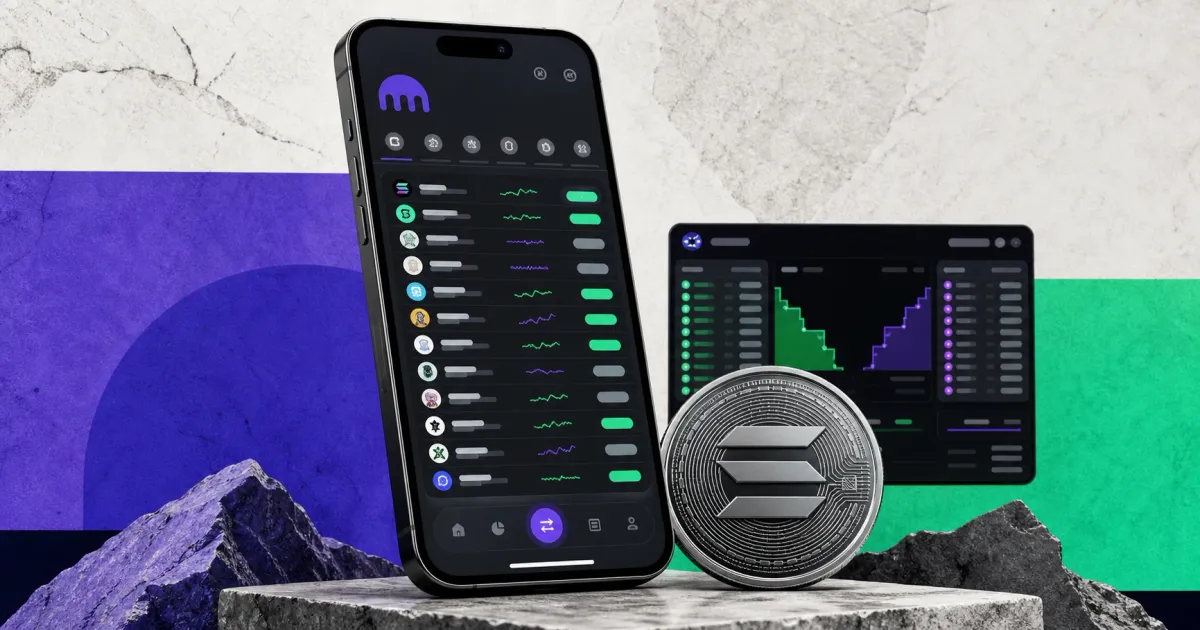
The launch lands as venues compete to put more onchain instruments into familiar trading workflows. Daily Crypto Briefs recently covered Kraken’s plan to bring thousands of Solana tokens to onchain trading, a different approach that relies on an established exchange’s product stack rather than a self-custodial Solana-native interface.
Jito says Solana captured 54% of global decentralized-exchange spot market share and averaged $425 billion in monthly volume in the first half of 2026. Those figures were supplied by the company in its announcement and were not independently verified in its release.
JTX Starts With Spot Trading and Tokenized Assets
JTX’s roadmap lists perpetual futures, prediction markets and a native mobile app, but Jito did not publish deployment dates. That distinction is material for traders because the launch is a spot-market product, not an immediate replacement for a venue offering leveraged perpetual contracts.
The product’s core proposition is self-custody alongside professional order tools. In self-custody, a trader controls the wallet keys rather than depositing assets with an exchange. That can reduce dependence on an intermediary, but it also leaves users responsible for wallet security, transaction approval and the risks of onchain execution.
Tokenized equities and ETFs add another constraint: access can vary by issuer, jurisdiction and platform rules. Readers tracking that market can compare the JTX launch with the growing $1.5 billion tokenized-stocks market, where product availability and legal structure remain as important as trading interfaces.
Jito has not said how much liquidity will be available across individual pairs or how its execution results will compare with other Solana interfaces. Spreads, slippage and the reliability of limit orders will become more useful measures once sufficient trading data is available.
JTO Buybacks Put Fees at Center of Launch
Jito said 80% of every JTX trading fee will be sent to the Jito DAO to buy back and burn JTO, permanently removing tokens from circulation. The remaining 20% will go to referrers based on the activity generated by them or their referrals, according to the announcement.
That ties the JTX model to a specific mechanism rather than simply calling the product an ecosystem expansion. It does not, however, state a minimum fee level, a buyback schedule or a forecast for the amount of JTO that could be burned. The result will depend on actual trading volume, fee rates and DAO operations.
The broader market was still cautious. Alternative.me’s Crypto Fear and Greed Index read 33, or Fear, on July 22, versus 25 a day earlier. The Bitcoin-focused measure is not a reading of demand for JTX or Solana specifically.
Fear & Greed Index
July 22, 2026The next markers are straightforward: Jito will need to publish more details on liquidity, fees and geographic availability, while traders will watch whether the planned perpetuals and prediction markets move from the roadmap into the live product. The launch announcement did not set dates for those additions.
Stay up to date
Get the latest crypto insights delivered to your inbox
Primary sources and further reading
| Source | Title |
|---|---|
| | Jito: Jito Labs launches JTX |
| | Jito Foundation: Why we're building JTX |
| | JTX official site |
| | CoinGecko: Solana market data |
| | Alternative.me: Crypto Fear and Greed Index |
Fact-checked by: Daily Crypto Briefs Fact-Check Desk
Related Articles


Frequently Asked Questions
What is JTX?
JTX is Jito's self-custodial trading platform on Solana. Jito says it opens with spot trading for tokens and tokenized real-world assets, with professional order tools including resting limit, automated and conditional orders.
Does JTX hold users' crypto?
Jito describes JTX as self-custodial, meaning users hold their own keys and settlement happens onchain. Users should still review the platform's terms, supported jurisdictions and transaction risks before trading.
How will JTX fees affect JTO?
Jito says 80% of JTX trading-fee revenue will go to the Jito DAO to buy back and burn JTO, while the remaining 20% will go to referrers. Actual fee revenue and the timing of any buybacks will depend on trading activity and DAO execution.
Can traders use perpetual futures on JTX?
Not at launch. Jito lists perpetual futures, prediction markets and a native mobile app as roadmap items, without publishing launch dates for them.