 Daily Crypto Briefs


SAN FRANCISCO, June 20, 2026
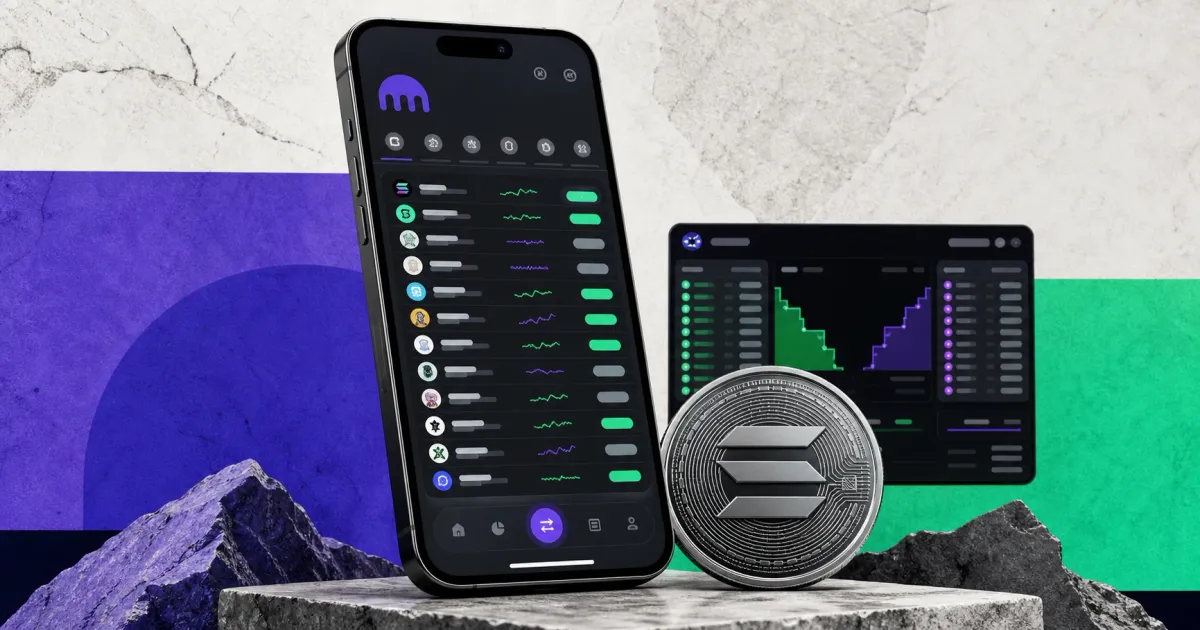
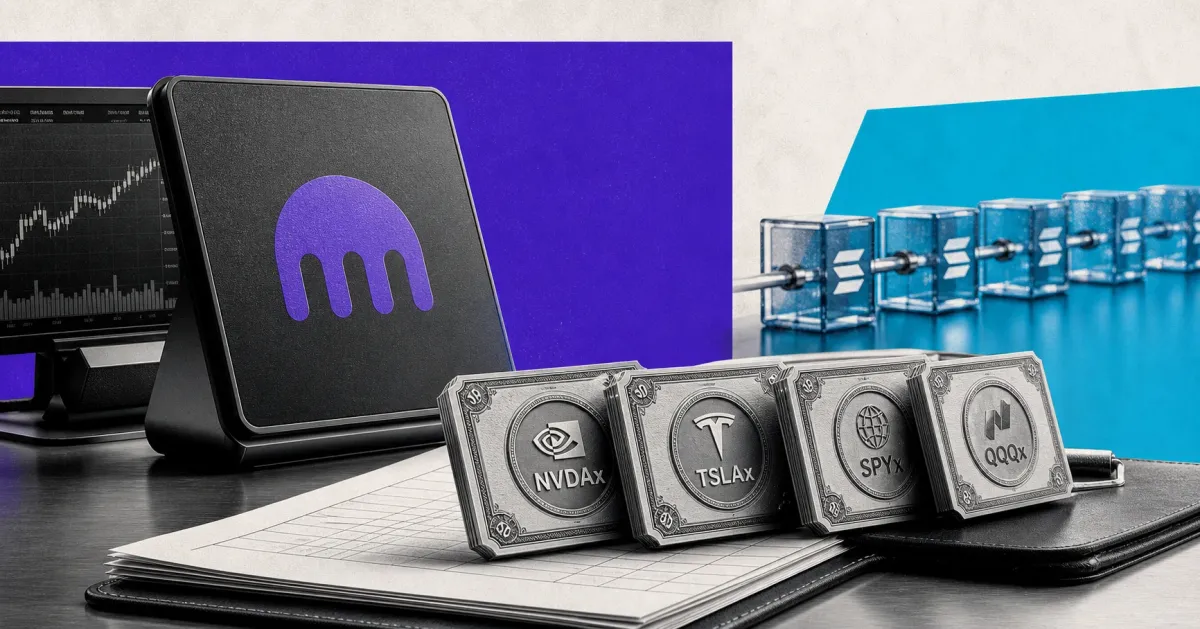
Kraken has opened trading in more than 2,500 Solana tokens inside its main app for eligible U.S. customers and users in over 100 countries, removing the separate wallet and seed-phrase steps that previously kept many exchange customers away from decentralized markets.
The feature connects Kraken’s familiar portfolio interface to Solana decentralized exchanges, letting users buy and sell early-stage tokens with USD or USDC. An embedded self-custodial wallet is created automatically when a customer makes a first on-chain trade.
SOL traded near $72.88 on June 20, up about 5.6% over 24 hours but roughly 16% below its May 20 level near $86. The token’s market value stood near $42 billion, while the broader Crypto Fear and Greed Index remained at 21, or Extreme Fear.
In its June 18 launch announcement, Kraken said the system uses Privy’s embedded-wallet technology and Solana DEX infrastructure behind the scenes. Kamo Asatryan, Payward’s chief data officer and global head of consumer, said the goal was to remove the intimidation of bridges, gas fees and separate wallet management.
The convenience comes with a sharp transfer of risk. Kraken says the DEX tokens have not been reviewed or approved by the exchange, while third-party protocols control trade execution, order fills, timing and price.

Solana
SOLKraken Puts 2,500 Solana Tokens in One App
Kraken’s centralized exchange lists a limited set of assets after internal review. The new on-chain feature reaches beyond that catalog by routing users to tokens available through Solana’s decentralized liquidity.
That difference gives customers access to assets shortly after they launch, before they receive a conventional exchange listing. Kraken’s product page says new Solana tokens can become tradable in the app within moments of appearing on-chain.
Users can pay with dollars or USDC, and the resulting positions appear beside their regular Kraken holdings. The interface hides the separate steps of funding a wallet, acquiring SOL for network fees, finding a token contract and connecting to a DEX.
The launch is a distribution move as much as a technical one. Centralized exchanges have large verified customer bases, while decentralized exchanges offer a much wider asset inventory. Kraken is joining the two experiences without adding the long tail of Solana tokens to its regulated exchange order books.
That distinction limits what the Kraken name guarantees. The company explicitly says inclusion in the on-chain token list is not legal verification, an investment recommendation or an endorsement.
New tokens can carry thin liquidity, concentrated ownership, mutable contract controls or misleading names that resemble established projects. A simplified buy button does not remove those risks, and the app may reach customers who have never inspected a token contract or DEX liquidity pool.
The Solana ecosystem gives Kraken a large market to test the model. Daily Crypto Briefs reported that Solana captured 97% of tokenized-equities spot volume in May, while the same low-cost network continues to host high-velocity memecoin and retail trading.
Privy Wallets Hide the Seed Phrase
The feature creates an embedded wallet through Privy when a user makes a first trade. Kraken says the wallet is self-custodial, meaning the exchange does not hold the assets or private keys.
Privy describes its embedded wallet infrastructure as a way to create wallets inside an application without browser extensions or a separate onboarding flow. Key material is secured through distributed systems rather than presented to the user as a traditional 12-word recovery phrase.
That design reduces one of crypto’s largest usability barriers. A customer does not need to copy a seed phrase, keep SOL available for gas or move between Kraken, a wallet extension and a trading website.
It also changes the recovery model. Traditional self-custody gives users a portable secret they can import elsewhere, but creates a permanent risk that the phrase will be lost or stolen. Embedded wallets shift more of the authentication and recovery experience into the app and its infrastructure providers.
Kraken’s claim that it does not hold the private keys is therefore important but not the only security question. Users also depend on the embedded-wallet design, device security, account recovery controls and the interfaces that authorize transactions.
The company has not disclosed detailed adoption figures, average trade size or how many customers have created an embedded wallet since launch. A Kraken support page says Solana trades are routed through Jupiter, but Kraken has not published a venue-by-venue volume breakdown.
Kraken is following a wider industry pattern in which the blockchain remains active but disappears from the customer workflow. Its recent U.S. perpetual-futures launch also pushed complex crypto exposure into a familiar exchange interface, though that product operates through regulated derivatives rather than self-custodial DEX trades.
DEX Access Expands Risk Beyond Kraken Listings
Kraken says on-chain trading is not a regulated financial product and warns that users can lose some or all of their investment. Trades are executed by third-party protocols, so the company does not control fills, timing or the final execution price.
Those disclosures matter most during volatile launches. A token may show a quoted value while holding too little liquidity for a large sale, and automated market-maker prices can move sharply when one trade consumes a meaningful share of a pool.
On-chain execution also introduces smart-contract and routing risk that differs from a conventional Kraken spot order. A failed transaction, malicious token, compromised liquidity pool or unfavorable route can affect the outcome even when the Kraken app itself is operating normally.
The feature could still broaden legitimate DeFi access. Users who already hold Solana tokens across multiple wallets can consolidate portfolio visibility, while newer customers can enter on-chain markets without learning every operational step first.
For Kraken, the strategic gain is asset breadth. It can expose customers to thousands of markets without assuming the same listing relationship it has with centralized exchange assets. For Solana, the gain is a new entry point from a globally recognized exchange into DEX liquidity.
The move also adds another mainstream distribution channel to Solana’s longer-term application story. Daily Crypto Briefs’ state of Solana review found that low fees and fast settlement attracted users quickly, but sustainable value depends on whether activity survives beyond speculative token cycles.
Market sentiment remained deeply cautious as Kraken expanded access.
Fear & Greed Index
June 20, 2026The next signals are the number of embedded wallets created, trading volume routed through the feature, loss or support incidents involving unreviewed tokens and Kraken’s choice of the next blockchain. Until those figures emerge, the launch clearly lowers the technical barrier to Solana DEX trading while leaving the underlying token and protocol risks intact.
Stay up to date
Get the latest crypto insights delivered to your inbox
Primary sources and further reading
| Source | Title |
|---|---|
| | Kraken: On-chain token trading is now built into the Kraken app |
| | Kraken: On-chain trading product page |
| | Kraken Support: Onchain Trading |
| | Privy: Embedded wallets |
| | CoinGecko: Solana price and market data |
| | CoinGecko: Solana historical data |
| | Alternative.me: Crypto Fear and Greed Index |
Fact-checked by: Daily Crypto Briefs Fact-Check Desk
Related Articles


Frequently Asked Questions
How many Solana tokens can users trade in the Kraken app?
Kraken says eligible users can access more than 2,500 Solana-based tokens through its new on-chain trading feature.
Is Kraken on-chain trading available in the United States?
Yes, for eligible customers. Kraken says the feature is available in the United States and more than 100 other countries, subject to geographic and account restrictions.
Do users need a Solana wallet or seed phrase?
Kraken automatically creates an embedded self-custodial wallet on the user's first on-chain trade. Users do not need to set up a separate wallet app or record a new seed phrase.
Does Kraken custody the on-chain tokens?
Kraken says the embedded wallet is self-custodial and that it does not hold the user's assets or private keys.
Has Kraken approved the 2,500 Solana tokens?
No. Kraken says the tokens available through decentralized exchanges have not been reviewed or approved by the exchange, and inclusion is not an endorsement.
Which blockchain will Kraken add after Solana?
Kraken says it plans to add more networks over time but has not disclosed which blockchain will be next or provided a launch schedule.