 Daily Crypto Briefs



MANILA, June 15, 2026
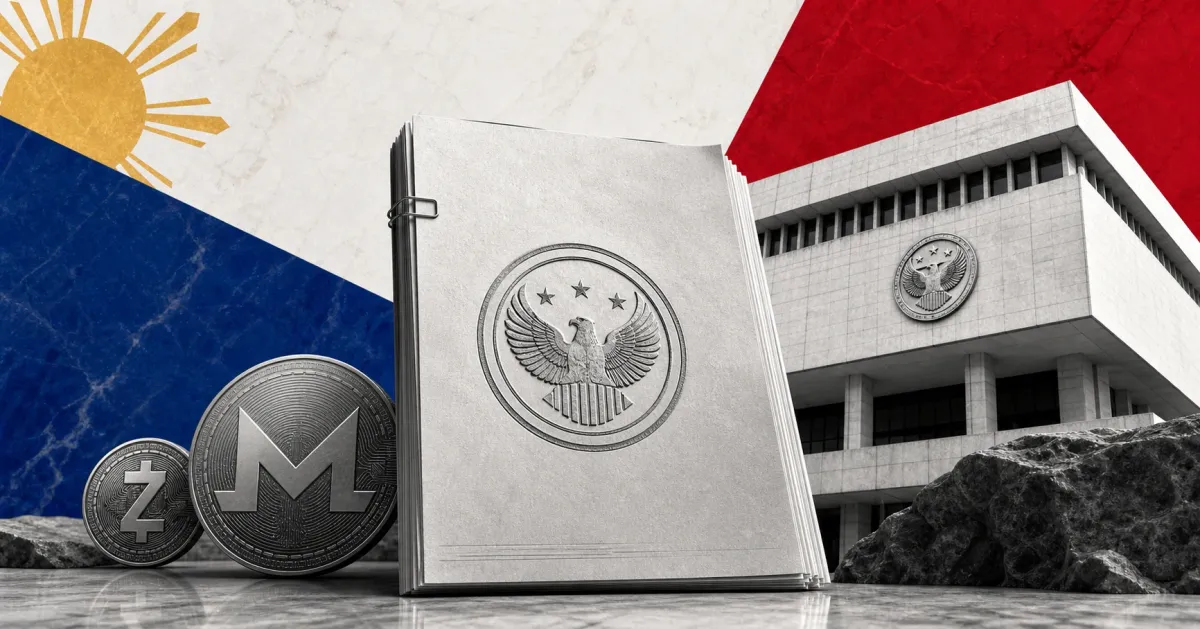
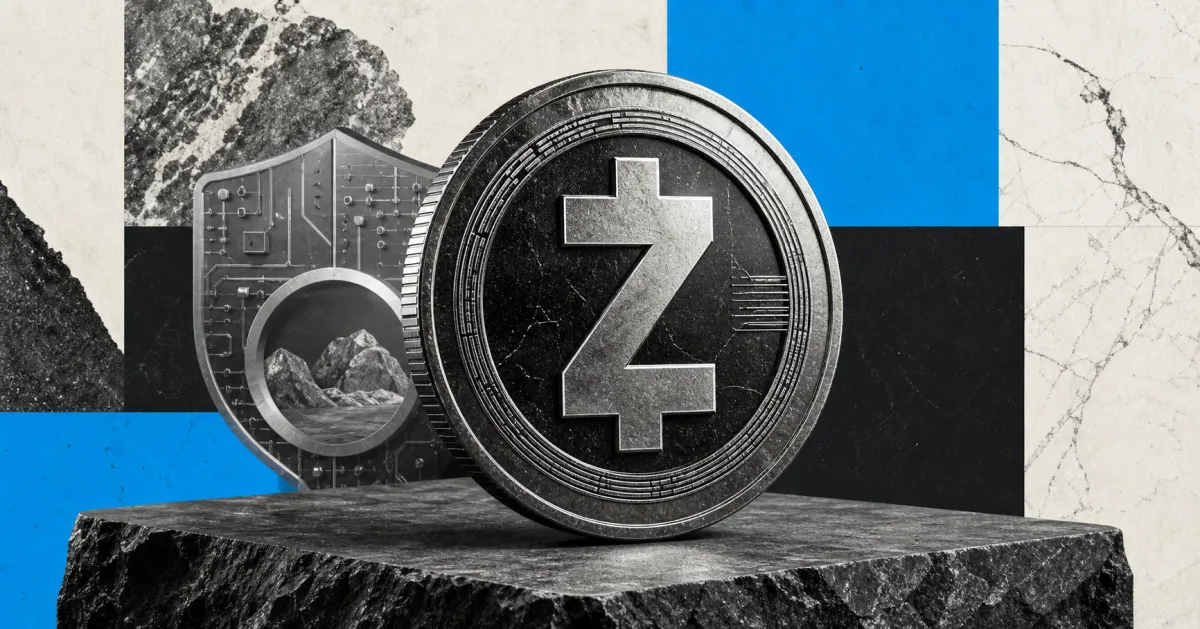
The Bangko Sentral ng Pilipinas barred licensed crypto platforms from listing or supporting privacy coins under a new token-review memorandum, putting Monero, Zcash and Dash in focus as all three traded higher on June 15 despite tighter local exchange access.
The rule is aimed at virtual asset service providers, or VASPs, registered under the Philippine central bank’s framework. It does not name specific tokens, but it directly targets anonymity-enhancing virtual assets, the regulatory category commonly associated with privacy coins that obscure transaction details.
Market data showed the rule landing into a volatile privacy-coin tape. CoinGecko showed XMR near $373.46, up 9.45% over 24 hours, with roughly $185.4 million in daily volume and a market value near $7.01 billion. ZEC traded near $519.77, up 19.21%, while DASH traded near $38.60, up 6.33%, according to CoinGecko pages for Zcash and Dash.
The BSP memorandum, approved June 5 and signed by Deputy Governor Lyn I. Javier, said VASPs must maintain a robust due-diligence and accreditation process for coins and tokens they list. It also said the offering of anonymity-enhancing virtual assets, or privacy VAs, is prohibited from being listed or supported by VASPs.
The guidance goes beyond a narrow privacy-coin ban. It requires exchanges to assess listed assets across issuer background, market maturity, use cases, transparency, traceability and security, redemption, liquidity, reserves and legal compliance.
For the market, the immediate pressure point is access rather than protocol function. Privacy coins can continue operating on their networks, but a licensed exchange ban can reduce fiat ramps, weaken local liquidity and push trading toward offshore platforms or self-custody.
What remains unclear is whether BSP expects any already listed assets to be removed immediately, whether it will publish token-specific guidance, and how each licensed Philippine platform will communicate changes to customers.
Monero
XMRBSP Privacy Coin Ban Hits VASPs
The BSP memo frames the policy as a listing-standard issue, not as a criminal prohibition on privacy technology. That distinction matters because VASPs are the regulated gatekeepers that provide fiat conversion, custody and retail access, while Monero, Zcash and Dash are open networks that do not need a Philippine exchange to keep producing blocks.
Still, exchange listings are where many users meet an asset. A ban on licensed support can make a coin harder to buy, sell or custody through regulated channels, especially for retail traders who do not want to manage private keys or use offshore venues.
Decrypt reported that the guidelines remove assets such as Monero and Zcash from compliant local exchange listings. That reading fits the memo’s category language, although the BSP document itself does not publish a token-by-token blacklist.
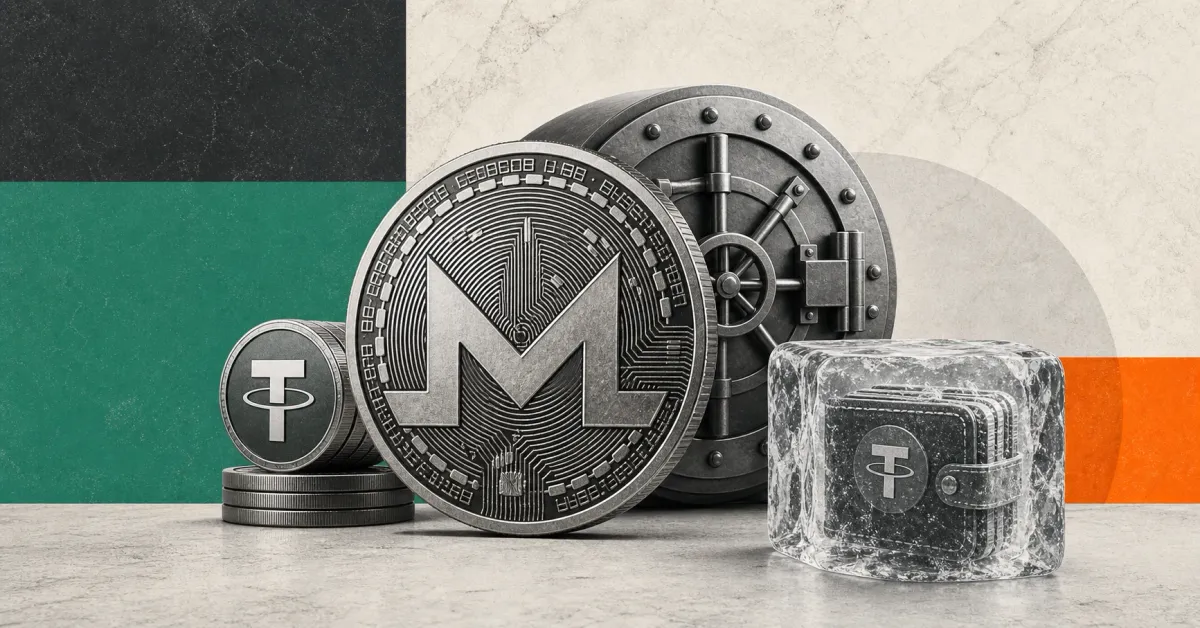
The move follows a year in which privacy coins have already been hit by both market and compliance stress. Daily Crypto Briefs tracked that tension when Tether froze 72 million USDT after a Monero-linked wallet route, a case that showed how quickly privacy-asset liquidity can become a stablecoin enforcement story.
In the Philippines, the immediate issue is less dramatic but broader. Every licensed VASP must now show a repeatable process for deciding which assets can be listed, monitored and removed when risk signals change.
XMR And ZEC Rally Into Listing Risk
The price reaction does not read like a simple regulatory selloff. XMR, ZEC and DASH were higher on June 15, even as the BSP rule reduced the universe of venues that can support privacy assets inside one regulated market.
That does not mean traders dismissed the rule. Privacy coins often trade on a mix of narratives: ideological demand for private payments, scarcity on major exchanges, short-term momentum and regulatory pushback. A local listing ban can tighten available liquidity without immediately hitting global spot prices.
Zcash adds another layer. Earlier this month, Zcash disclosed an Orchard privacy-pool bug that forced an emergency response and briefly put ZEC security assumptions under pressure. The Philippine rule is a different category of risk, but both stories show why privacy coins can reprice on trust, not just on protocol design.
There is also a standards angle. Ethereum developers recently pushed ERC-8287, a privacy-native token proposal, showing that private transfers are not confined to older privacy coins. If regulators increasingly restrict anonymity-enhancing assets at the listing layer, future privacy designs may face the same exchange-access problem even when they are built for general-purpose smart-contract networks.
For Philippine traders, the practical question is platform treatment. If a licensed VASP currently supports a coin that falls under the privacy-asset category, customers will need clear timelines for trading, withdrawal, conversion and delisting procedures.
Philippines Tightens Token Gatekeeping
The memorandum’s six-pillar framework makes the broader signal harder to ignore. VASPs must look at an issuer’s background, the asset’s market maturity, stated use cases, transparency and traceability, security, redemption mechanics, liquidity, reserves and legal compliance.
For asset-backed and fiat-backed virtual assets, the BSP asks VASPs to evaluate the full lifecycle of the coin or token. In plain terms, that means how the asset is issued, backed, redeemed and kept liquid, not just whether it has enough trading volume on launch day.
That requirement brings stablecoins and tokenized assets closer to the same gatekeeping process as ordinary exchange tokens. The memo says VASPs should continue monitoring listed assets and define thresholds that trigger suspension or delisting when risks move outside acceptable bounds.
The market backdrop remains weak enough to magnify compliance headlines.
Fear & Greed Index
June 15, 2026Extreme fear does not automatically turn a rule into a price break, but it lowers the tolerance for uncertainty. When traders are already defensive, unclear delisting mechanics or withdrawal windows can matter as much as the legal text.
The next checkpoints are exchange notices from Philippine VASPs, any BSP clarification on transition timing, and whether other Southeast Asian regulators adopt similar listing language. Until those details arrive, the supported fact is narrow but important: licensed Philippine crypto platforms cannot list or support anonymity-enhancing virtual assets under the BSP’s new token-review rules.
Stay up to date
Get the latest crypto insights delivered to your inbox
Primary sources and further reading
| Source | Title |
|---|---|
| | Bangko Sentral ng Pilipinas: Memorandum No. M-2026-023 |
| | Decrypt: Philippines issues stricter crypto listing rules |
| | CoinGecko: Monero price |
| | CoinGecko: Zcash price |
| | CoinGecko: Dash price |
| | Alternative.me: Crypto Fear and Greed Index |
Fact-checked by: Daily Crypto Briefs Fact-Check Desk
Related Articles


Frequently Asked Questions
Did the Philippines ban privacy coins?
The BSP barred licensed virtual asset service providers from listing or supporting anonymity-enhancing virtual assets. The memorandum does not say private holding of those assets is itself banned.
Which coins are affected by the BSP privacy coin rule?
The BSP memorandum did not name specific tokens. Privacy-focused assets such as Monero, Zcash and Dash are the market names most exposed to this type of exchange-listing restriction.
What else does BSP Memorandum No. M-2026-023 require?
It requires VASPs to create stronger token listing, monitoring and delisting frameworks across issuer, market maturity, use case, security, liquidity, redemption and legal-compliance factors.
Why does this matter for crypto exchanges in the Philippines?
Licensed platforms must screen tokens more deeply, monitor listed assets continuously and delist assets when risk thresholds are breached, which raises compliance costs and can narrow available markets.
What should privacy coin traders watch next?
Watch for exchange notices from Philippine VASPs, any BSP clarification on transition timing, and whether other Southeast Asian regulators copy the listing-ban approach.