 Daily Crypto Briefs




NEW YORK, June 12, 2026
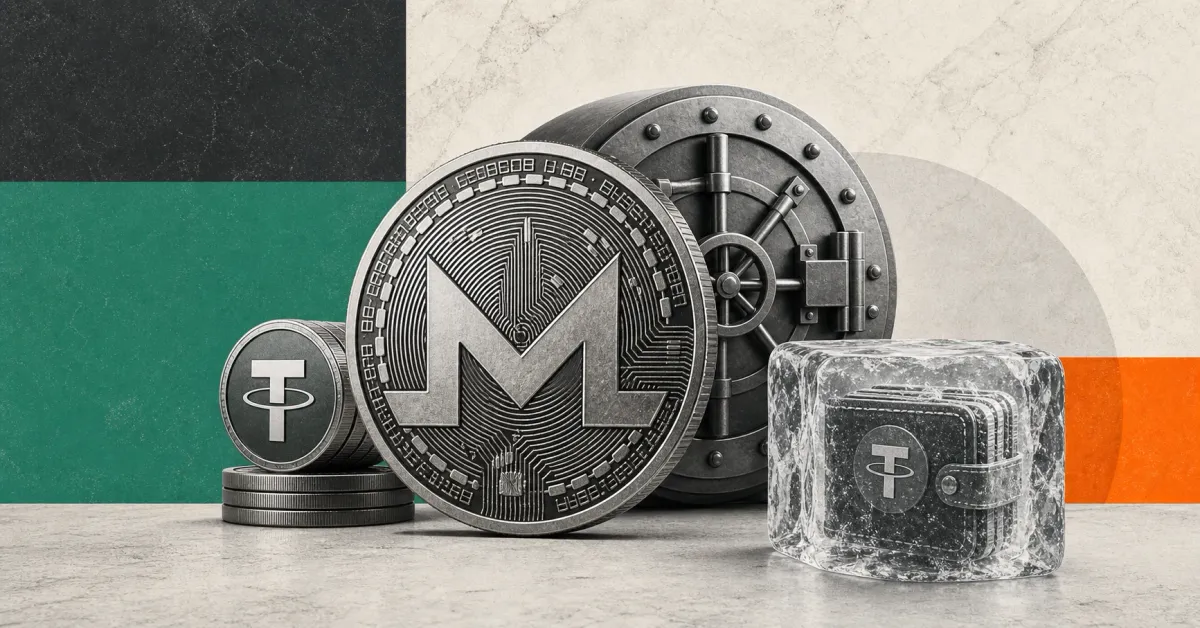
Tether froze 72,030,295 USDT on Tron after blockchain investigator ZachXBT linked a 120.2 million USDT wallet to Monero buying, putting XMR liquidity and stablecoin blacklisting back in the market spotlight as XMR traded near $365 on June 12.
The episode connects three pressure points in one trade: a large USDT wallet, a privacy coin with limited exchange depth, and Tether’s ability to stop tokens from moving when an address is blacklisted.
CoinDesk reported that Monero pushed toward $438 before pulling back, while CoinGecko’s Monero page showed XMR near $365.95, a 24-hour range of $350.94 to $438.06 and a market value near $6.86 billion. The move left XMR up sharply from its early-June low near $295.75, according to market data used for the chart below.
ZachXBT said the Tron address received 120.2 million USDT on June 11 and began transferring more than $12 million to KuCoin deposit addresses, about $8 million to instant exchanges and more than $8 million through Near Intents into Bitcoin and Ethereum routes.
Whale Alert recorded a freeze of 72,030,295 USDT on Tron at 07:37:18 UTC on June 12. The alert listed the sender as TBzrPEsStbZAUx2SBhD4oHz8UW3FX9Ak9W and described the event as a freeze, not a normal transfer.
The source of the 120.2 million USDT and the identity of the controlling party were not immediately clear from the public reports. That uncertainty is central because the visible chain data shows movement and a freeze, while the Monero leg depends on attribution from ZachXBT and market reports rather than transparent on-chain XMR tracing.
For traders, the practical signal is liquidity. Large flows into a privacy coin can move price quickly when exchange access is thinner than it is for bitcoin or ether, and a stablecoin freeze can abruptly change how much of the original value remains usable.
Monero
XMRZachXBT Traces 120M USDT
The first visible anchor is the Tron transfer. The TRONSCAN transaction page shows 120,271,055.092505 USDT moving to TA6YHqB2xh5HhfmC7WoLQaWmqq7Vv4zCoQ at 15:16:24 UTC on June 11, giving readers a direct check on the core amount rather than relying only on screenshots or reposts.
ZachXBT’s account of the flow pointed to several exits from that wallet. The reported transfers to KuCoin deposit addresses and instant exchanges are important because those venues can turn transparent stablecoin balances into less visible asset trails, especially when the next asset is Monero.
Monero is designed to hide sender, receiver and amount details by default. That is the feature privacy advocates value, but it also means outside observers generally cannot follow the trail after a successful XMR conversion the same way they can on Bitcoin, Ethereum or Tron.
That makes the language around the case matter. The USDT transfer and freeze can be checked against public pages. The specific claim that the flow drove the Monero rally rests on ZachXBT’s tracing and the timing of large XMR buy pressure reported by market outlets.
Daily Crypto Briefs saw a similar trust problem from the other direction when Zcash disclosed an Orchard privacy-pool bug. There, the question was whether a privacy system could prove nothing broke. Here, the question is whether public markets can understand a flow after it disappears into a privacy asset.
Monero Spike Exposes Thin Liquidity
XMR’s move was large enough to become its own signal. CoinDesk said Monero rose toward $438 before retracing, while CoinGecko data showed the token still far above its June 7 level even after the pullback.
That is not normal large-cap behavior. A comparable USDT flow into bitcoin would likely be absorbed across deeper order books and derivatives markets. In Monero, a reported nine-figure route through exchanges can turn into a visible price shock because fewer major venues list it and many regulated platforms restrict privacy-coin exposure.
The same market-structure issue can cut both ways. A large buyer may push XMR higher while accumulating, but thinner liquidity can also make exits more expensive, especially if exchanges tighten monitoring after a public trace.
The story also gives traders a reason to separate privacy demand from forced-flow demand. Monero can rally on ideology, payments use, speculation or scarcity on exchanges. A suspected laundering-linked flow is different because it may not represent durable demand after the buying stops.
Stablecoin routes are the bridge between those worlds. USDT remains a major settlement asset, especially on Tron, where transfers are cheap and widely supported. That is why enforcement stories around stablecoins increasingly look like market stories, not just compliance notes.
Tether Freeze Leaves Origin Unknown
The freeze shows the other side of USDT’s design. A holder may control the private key to a wallet, but Tether can blacklist an address under its token contract, which prevents the frozen tokens from moving.
Tether has used that control in larger cases before. In April, the company said it supported a freeze of more than $344 million in USDT across two addresses in coordination with OFAC and U.S. law enforcement.
The new 72.03 million USDT freeze is smaller, but it lands in a more visible market moment because it followed a Monero price spike. It also reinforces the compliance tension around stablecoins: dollar tokens can move quickly across borders, but their issuers can also become chokepoints when addresses are flagged.
That pattern is already shaping sanctions and illicit-finance coverage. Recent U.S. action against Iran-linked Nobitex and other exchanges showed how stablecoin flows can pull trading venues, counterparties and wallet clusters into a wider enforcement map.
The market backdrop remains defensive.
Fear & Greed Index
June 12, 2026Extreme fear makes sudden altcoin moves harder to read. A sharp XMR rally can attract momentum traders, but if the catalyst is a large opaque flow, the next move depends less on broad sentiment and more on whether the flow continues, reverses or gets blocked.
What remains unknown is the source of the 120.2 million USDT, whether any more funds tied to the route are still moving, how much XMR was actually acquired, and whether exchanges or Tether will disclose additional addresses. The next checkpoints are new posts from ZachXBT, TRONSCAN activity around related wallets, issuer freeze records and whether Monero liquidity normalizes after the spike.
Stay up to date
Get the latest crypto insights delivered to your inbox
Primary sources and further reading
| Source | Title |
|---|---|
| | CoinDesk: Monero prices rocket amid $120M onchain route |
| | Crypto.News via Bitget: ZachXBT links wallet to XMR surge |
| | TRONSCAN: 120.27M USDT transfer to TA6YHq |
| | Whale Alert: 72,030,295 USDT frozen on Tron |
| | Tether: $344M USDT freeze in coordination with U.S. authorities |
| | CoinGecko: Monero price |
| | Alternative.me: Crypto Fear and Greed Index |
Fact-checked by: Daily Crypto Briefs Fact-Check Desk
Related Articles

Frequently Asked Questions
Why did Tether freeze 72 million USDT?
Whale Alert reported that an address holding 72,030,295 USDT on Tron was frozen on June 12. ZachXBT said the address was directly related to a 120.2 million USDT flow, but the full background of the funds was not immediately clear.
How was Monero linked to the USDT wallet?
ZachXBT said the 120.2 million USDT wallet sent funds to KuCoin deposit addresses, instant exchanges and cross-chain routes, with the activity tied to large XMR buying as Monero rallied.
Did public reports prove who owned the wallet?
No. Public reports and on-chain pages showed the addresses and freeze event, but they did not immediately identify the wallet owner or final beneficiary.
Why can Tether freeze USDT?
USDT is issued through smart contracts that allow Tether to blacklist addresses under certain compliance or law-enforcement conditions, preventing frozen tokens from moving.
What should Monero traders watch next?
Traders should watch whether more wallet links are published, whether exchanges report XMR liquidity stress, and whether the freeze leads to additional stablecoin or exchange compliance action.