 Daily Crypto Briefs




CASABLANCA, July 13, 2026
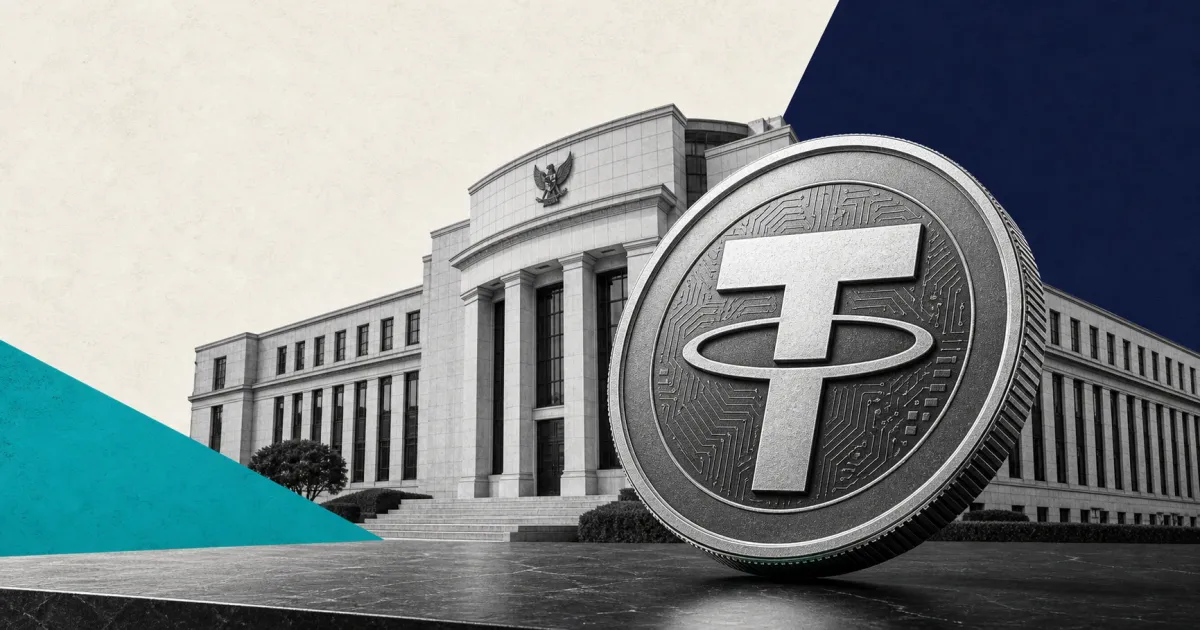
Thailand’s central bank is working with the country’s securities regulator to audit unusually large stablecoin trades, focusing on USDT after data analysis flagged some transactions that appeared designed to sidestep disclosure rules or normal remittance channels, according to local reporting on July 13.
The scrutiny is part of the Bank of Thailand’s wider campaign against the so-called grey economy, a term officials use for illicit or opaque money flows. It is not an announced prohibition on Tether’s dollar-linked token, and the reports did not identify the wallets, exchanges, amounts or businesses behind the flagged activity.
The immediate numbers are outside crypto as much as inside it. The bank has checked cash withdrawals of 5 million baht or more since April, roughly $153,000 at current exchange rates, and Governor Vitai Ratanakorn said the value of such withdrawals fell 35%. Authorities are also considering a fourth-quarter requirement for people depositing at least 5 million baht in cash to explain the money’s source.
In the digital-asset review, the central bank is using analytics with Thailand’s Securities and Exchange Commission, which has direct authority over digital assets. Thansettakij reported that the review found some high-volume stablecoin transactions with signs of disclosure avoidance or transfers outside regular channels; the SEC would decide on any follow-up.
USDT’s market price has remained close to its dollar peg while that policy news developed. CoinGecko data showed the token at $0.999408 on June 13, $0.998448 on June 25 and $0.999168 on July 13. Stablecoins are designed to trade close to one dollar, so that narrow range says little about the investigation but explains why officials are looking at their utility as a transfer instrument rather than a speculative asset.

Tether
USDTThe episode adds a compliance layer to a market Thailand has otherwise tried to bring into regulated channels. The distinction is important for users of licensed platforms: an authority examining anomalous activity is different from an order removing a token from legal trading pairs. Daily Crypto Briefs recently tracked a more restrictive regional approach in Brazil’s proposed ban on crypto for cross-border payments.
Bank of Thailand Puts High-Volume USDT Trades Under Review
The Bank of Thailand is not the primary digital-asset regulator, so the announced process depends on coordination. The central bank can use the information gathered through bank and payment supervision, while the SEC can assess whether a crypto-market participant breached rules within its jurisdiction.
The reported focus is on transaction patterns, not the price or reserve status of USDT. Authorities are reviewing abnormally large trades for efforts to hide beneficial ownership, avoid reporting or route value around standard remittance systems. Neither the Bank of Thailand nor the SEC had publicly named a platform or announced a penalty when the reports were published.
Ratanakorn described the campaign as structural rather than temporary. He said, in an address reported by Thansettakij, that the measures were “not short-term fixes” and required several controls to operate in parallel.
The choice to mention USDT is nevertheless notable. As the biggest stablecoin and a common exchange quote asset, it can move dollar-linked value without the price swings associated with bitcoin or ether. The same properties that make stablecoins useful for settlements make ownership, source-of-funds and cross-border monitoring central questions for supervisors.
Cash and Gold Controls Show Thailand’s Wider Enforcement Model
The stablecoin analysis sits next to controls on physical cash, gold and suspected gambling-linked mule accounts. Since April, banks have asked customers seeking to withdraw at least 5 million baht in cash why a transfer or cheque could not serve the same purpose, according to the Bank of Thailand governor’s account.
The bank said that policy was followed by a 35% reduction in the value of large cash withdrawals. It is now studying the legal basis for a matching source-of-funds explanation for cash deposits of 5 million baht or more in the fourth quarter. That timeline is a proposal under consideration, not a final rule published by the regulator.
Gold trading has provided another data point. Officials found a pattern of digital purchases in the morning followed by physical collection from shops later the same day, the report said. Monthly gold withdrawals dropped from about 4,000 kilograms to about 700 kilograms after the controls, though the figures do not establish how much of the earlier activity was unlawful.
Thailand’s debate mirrors a wider policy tension between supporting tokenized payments and keeping banks from becoming the unexamined bridge into them. The United Kingdom’s proposed stablecoin holding limits show how regulators can target use cases and risk channels without treating every stablecoin transaction as the same activity.
Thai SEC Action Will Define the USDT Audit’s Reach
The next substantive signal should come from the Thai SEC, not from a price chart. It can clarify whether the referred activity leads to an enforcement case, additional surveillance requirements or no public action at all. The reports did not say when that decision will be made.
For consumers, the narrower confirmed point is that USDT remains the subject of targeted high-volume monitoring, not a declared nationwide ban. That line will be important as Thailand balances its anti-money-laundering campaign with a market where regulated digital-asset services remain available.
The policy direction also fits the broader global move toward identifying responsible intermediaries around token transfers. Our 2026 guide to U.S. crypto regulation explains why custody, trading and payments can trigger different duties even when they use the same token.
Fear & Greed Index
July 13, 2026The immediate items to watch are a Thai SEC statement on any referred transactions and the Bank of Thailand’s final fourth-quarter guidance for large cash deposits. Until then, the confirmed facts are specific: authorities are auditing anomalous high-volume stablecoin activity, USDT is a named focus, and no USDT ban or case details have been announced.
Stay up to date
Get the latest crypto insights delivered to your inbox
Primary sources and further reading
| Source | Title |
|---|---|
| | Thansettakij: Bank of Thailand governor on grey-economy controls |
| | Bank of Thailand |
| | Thai SEC |
| | CoinGecko: Tether price and market data |
| | Alternative.me: Crypto Fear and Greed Index |
Fact-checked by: Daily Crypto Briefs Fact-Check Desk
Related Articles




Frequently Asked Questions
Is Thailand banning USDT?
No. No USDT ban was announced. The Bank of Thailand said it is working with the Thai SEC to examine unusually large stablecoin transactions, particularly USDT, for patterns that may avoid disclosure or normal remittance channels.
Which Thai agency can act on suspicious stablecoin trades?
The Securities and Exchange Commission of Thailand directly regulates digital assets. The Bank of Thailand said it is sharing findings from its data analysis with the SEC for any further action.
What is Thailand's 5 million baht threshold?
Banks have checked the purpose of cash withdrawals of 5 million baht or more since April. The Bank of Thailand is considering a fourth-quarter requirement for people depositing that amount of cash to explain its source.
What should USDT users in Thailand watch next?
Watch for a Thai SEC statement on the reviewed transactions and for the Bank of Thailand's final fourth-quarter guidance on large cash deposits. The reports did not identify the wallets, exchanges or enforcement actions involved.