 Daily Crypto Briefs



NEW YORK, June 22, 2026
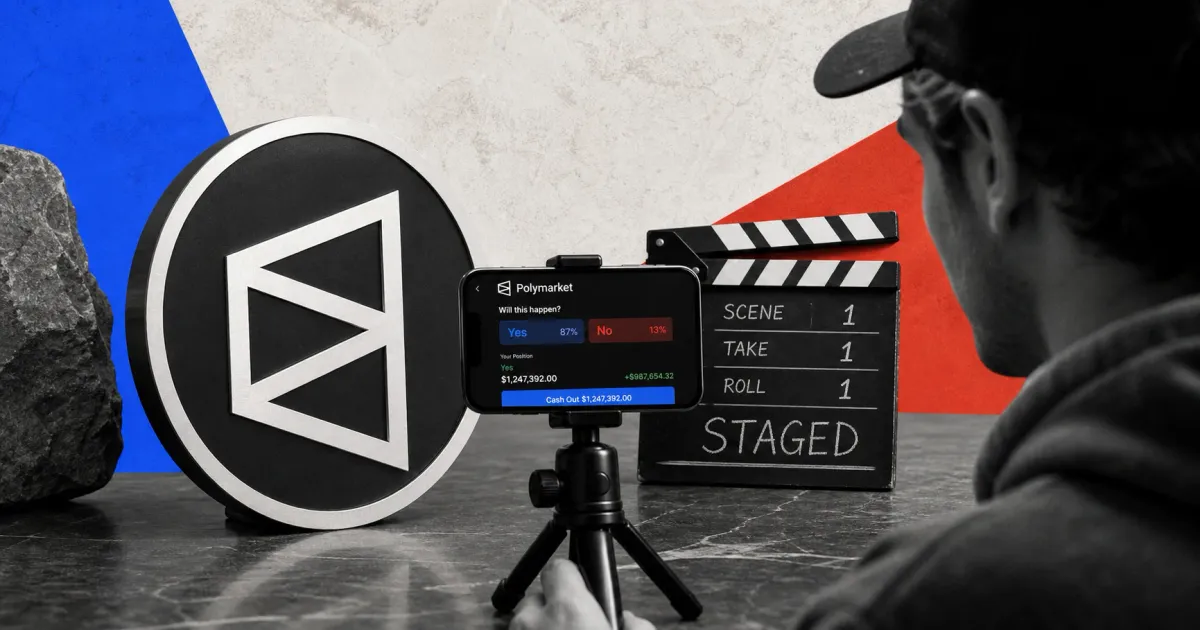
Polymarket funded a social-media campaign that displayed about $1.9 million in staged bets across 1,105 videos drawing more than 140 million views, according to a Wall Street Journal investigation that is now testing the prediction-market company’s transparency claims.
The Journal’s investigation found that creators recorded wagers on imitation websites rather than placing real trades on Polymarket. The clips were presented as ordinary viral content, while creators and overseas distribution workers were paid to produce or amplify them.
Market snapshot: The investigation counted 1,105 staged videos, more than 140 million combined views and roughly $1.9 million in displayed wagers. It found 118 clips that portrayed nearly $900,000 in winnings, although reconstructing the same outcomes produced a combined loss of about $166,000.
Bitcoin traded near $64,683 on June 22, up about 1% on the day but roughly 16.6% below its May 22 level, as the broader crypto market remained defensive. Polymarket does not have a publicly traded equity or native token that directly reflects the financial impact of the report.

Bitcoin
BTCPolymarket told the Journal that it maintains a “strong culture of integrity and transparency” and said it would audit promotional materials. The company did not immediately publish the audit’s scope, a creator list or a timetable for releasing findings.
The report follows Polymarket’s growth from a crypto-native betting venue into a mainstream source of political, sports and economic probabilities. Daily Crypto Briefs recently covered a $9 million displayed win tied to Spain’s World Cup draw, an example of the large outcomes that make prediction-market videos easy to package for social feeds.
The immediate risk is not that staged promotional bets changed the prices of real contracts. It is that viewers may have mistaken advertising for authentic customer experience, including exaggerated evidence about how easily traders can win.
Inside Polymarket’s 1,105 Staged Videos
The Journal traced the campaign through creators, promotional instructions, imitation websites and a network of low-paid workers who distributed clips. Some creators were reportedly paid $2,000 to $3,000 a month, while the videos often lacked clear disclosures that Polymarket had financed the content.
The Verge’s summary said none of the bets in the reviewed videos were real. One clue was an imitation address spelled poiymarket.com, replacing the lowercase letter “l” with an “i” to resemble the company’s actual domain.
The fake interface allowed creators to show positions and balances without committing real capital. That distinction is central because a prediction-market result is normally auditable through an account, order history or blockchain transaction, while a staged screen proves only that a video was produced.
The most consequential comparison involved the 118 supposed winners. Their videos displayed almost $900,000 in gains, but the underlying events would have created about $166,000 in aggregate losses if those wagers had been placed as shown.
That gap transformed the campaign from ordinary brand placement into a performance claim about trading outcomes. The Journal also reported that some creators promoted themes involving easy access to insider information, despite Polymarket publicly emphasizing market integrity.
Several creators removed videos after reporters began asking questions, and imitation sites used for filming were taken offline, according to the investigation. Those changes limit independent reconstruction, which is why this article attributes the campaign totals to the Journal rather than presenting them as a regulator’s finding.
Fake Winnings Raise Influencer Ad Questions
The Federal Trade Commission’s influencer guidance says a creator should make a material relationship with a brand obvious when money, products or other value are exchanged for an endorsement. The disclosure should be hard to miss and appear with the endorsement itself.
That guidance does not automatically establish that every reviewed video violated federal law. Liability depends on the specific content, audience, disclosures, contracts and jurisdiction, and no public FTC enforcement action tied to this campaign was identified at publication.
The reported instructions nevertheless create a direct consumer-protection question. If a viewer reasonably understood a video as a real trader documenting a real win, a later caption or vague partnership label may not correct the false impression created by the staged balance.
Prediction markets add another layer because the product itself involves financial risk. A creator pretending to win on a dummy site can make an uncertain binary contract look like a repeatable strategy, even though every contract has losing positions and prices can move before resolution.
The campaign therefore differs from a conventional sponsored mention. It allegedly used fake transaction evidence as the centerpiece of the endorsement, while the $166,000 reconstructed loss shows that the depicted success was not merely hypothetical but directionally opposite to the events’ actual results.
The findings may also make audiences more skeptical of legitimate public trades. Polymarket’s blockchain-based international platform can expose positions and settlement data, but that transparency has less value when promotional videos are produced away from the real order book.
Polymarket’s U.S. Return Faces a Trust Test
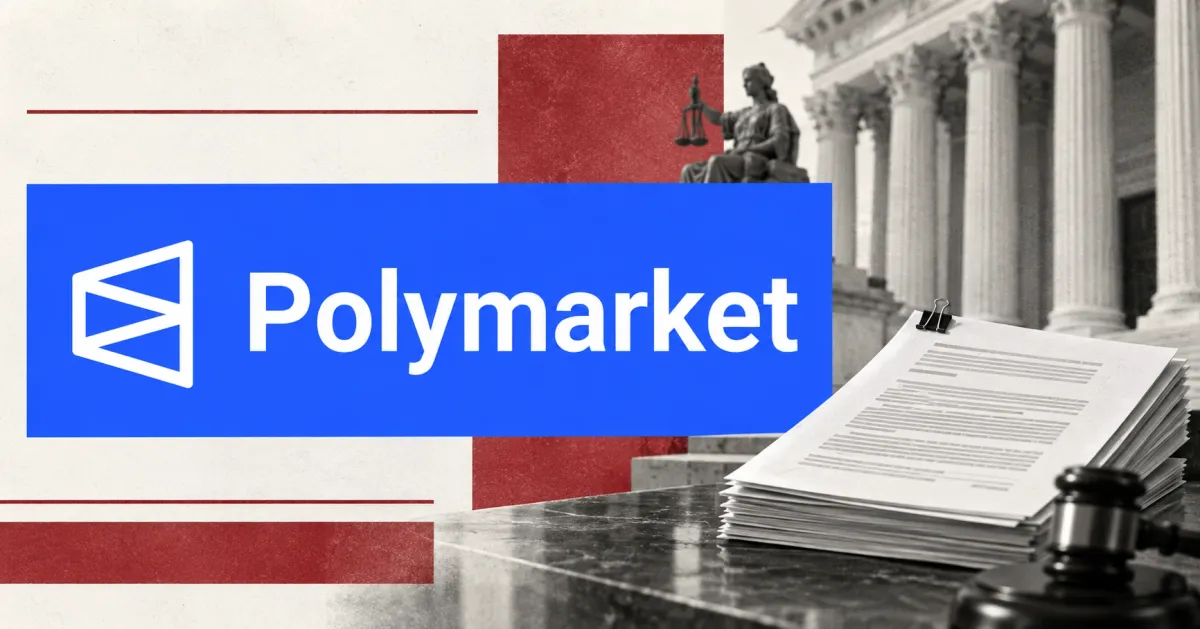
Polymarket’s regulatory history makes the marketing report more sensitive. The CFTC fined the company $1.4 million in 2022 for offering off-exchange event-based binary options and required noncompliant markets to be wound down.
The current U.S. business operates through a separate regulated structure. The CFTC’s designation record for QCX LLC lists the company as Polymarket US, while Polymarket’s own documentation describes the U.S. product as a dollar-based designated contract market and clearing organization.
That distinction should prevent two inaccurate conclusions. The international crypto platform is not the same legal venue as Polymarket US, and the Journal’s findings do not by themselves show that trades on the regulated exchange were fabricated or manipulated.
They do create a reputational test for a brand seeking trust on both sides of that boundary. Polymarket US says its market-integrity framework is designed to keep contracts fair and orderly, but customer confidence also depends on how the parent brand markets the product before a trade begins.
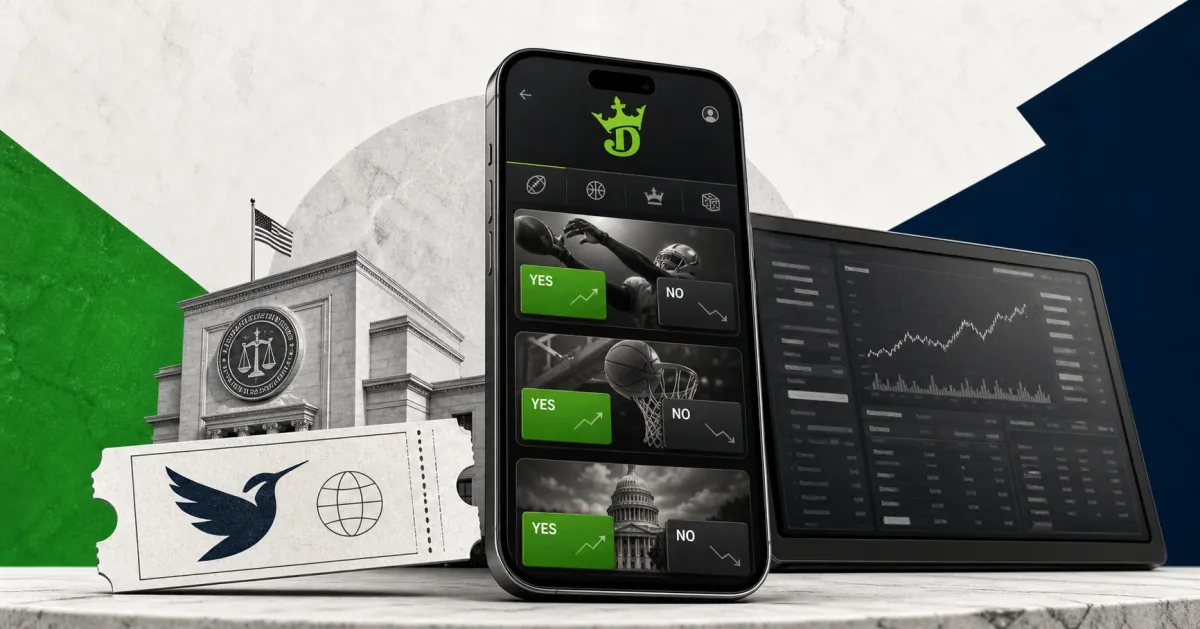
Competition makes the issue more urgent. Charles Schwab and Cboe are bringing prediction-style products to more than 39 million brokerage accounts, while the CFTC is developing a new review framework for event contracts. Established exchanges can use compliance and distribution as selling points when specialized platforms face trust questions.
Broader crypto sentiment remained weak as the report circulated. Alternative.me’s Crypto Fear and Greed Index stood at 20, classified as Extreme Fear, on June 22.
Fear & Greed Index
June 22, 2026The next evidence to watch is Polymarket’s promised audit, including whether it identifies the contractors, removes undisclosed content, compensates affected creators or publishes new marketing controls. Any FTC or CFTC inquiry would be a separate development; none had been publicly announced when this article was published.
Stay up to date
Get the latest crypto insights delivered to your inbox
Primary sources and further reading
| Source | Title |
|---|---|
| | Wall Street Journal: Polymarket staged-bet investigation |
| | CFTC: 2022 Polymarket enforcement order |
| | CFTC: Polymarket US designated contract market record |
| | FTC: Social media influencer disclosure guidance |
| | Polymarket US: Market integrity policy |
| | CoinGecko: Bitcoin price |
| | Alternative.me: Crypto Fear and Greed Index |
Fact-checked by: Daily Crypto Briefs Fact-Check Desk
Related Articles

Frequently Asked Questions
What did the Wall Street Journal find about Polymarket videos?
The Journal said it identified 1,105 promotional videos that showed staged rather than real Polymarket bets. The clips generated more than 140 million views and displayed about $1.9 million in fake wagers.
How much fake Polymarket winnings appeared in the videos?
The investigation found 118 videos portraying nearly $900,000 in winnings. Reconstructing those outcomes showed the bets would instead have lost about $166,000 in total.
Did Polymarket respond to the investigation?
Yes. Polymarket told the Journal it had a strong culture of integrity and transparency and said it would audit promotional materials. The company did not publicly provide a full list of the reviewed videos or creators.
Is Polymarket legal in the United States?
Polymarket's international crypto platform and Polymarket US are separate products. Polymarket US operates through QCX LLC as a CFTC-designated contract market, while the international platform is not the regulated U.S. exchange.
Why do influencer disclosures matter?
FTC guidance says creators should clearly disclose a financial or other material relationship with a brand. A disclosure should be easy to notice and appear with the endorsement itself.
Has a regulator ruled that Polymarket's campaign broke the law?
No public enforcement finding about this campaign was identified at publication. The article reports the Journal's investigation and explains existing FTC and CFTC rules without asserting a new legal judgment.