 Daily Crypto Briefs






ISTANBUL, October 18, 2026
Turkey confirmed the detention of HEX and PulseChain founder Richard Heart and the seizure of $7.15 million in cash and six cold wallets on October 17, adding an official account to a cross-border case as HEX traded near $0.0006.
Justice Minister Akın Gürlek said Heart, whose legal name is Richard James Schueler, was detained with his wife in Istanbul’s Beşiktaş district on October 14. Three people identified as his bodyguards were subsequently detained, bringing the announced total to five.
CoinGecko’s Ethereum HEX page showed a roughly $0.000568 to $0.000721 daily range, about $188,000 in 24-hour trading volume and a seven-day decline of 33.5% at the October 18 source check. It tracks PulseChain HEX separately; these figures do not measure the seized wallets or establish a price response to the minister’s statement.
In its October 17 announcement, Turkey’s Justice Ministry said judicial proceedings and examination of seized materials were continuing. The cryptocurrency balances associated with the six cold wallets were not disclosed.
The confirmation follows initial reports of the Wednesday operation. The new official inventory gives a more specific account of assets seized, while leaving the grounds and timetable for any extradition unresolved.

Bitcoin
BTCSource: ChartExchange’s Bitcoin composite, checked October 18. Selected completed UTC sessions provide broader crypto context, not a HEX price series or evidence of a connection to this case.
Turkey lists cash and six cold wallets
The ministry said searches covered 15 addresses across Beşiktaş, Üsküdar and Sarıyer. Istanbul prosecutors coordinated the operation with police intelligence and financial-crimes units, supported by the national intelligence agency, MİT.
Its inventory separately lists $7.15 million and 160,000 Turkish lira, alongside the six wallets. It also includes 28 watches, 97 pieces of jewelry and numerous electronic devices, including 29 phones and 12 laptops. The statement lists seven firearms and 1,400 rounds of ammunition.
Anadolu’s account of the minister’s statement additionally reported that authorities impounded nine vehicles registered to Heart’s wife. Those physical assets were not assigned an aggregate valuation in the reviewed disclosures.
The distinction between cash and devices is consequential. A hardware wallet generally protects signing credentials; taking possession of one does not by itself establish how much cryptocurrency authorities can access. Six devices need not represent six distinct owners or six independently funded blockchain addresses.
No public wallet addresses, transaction hashes, token breakdown or independently reconciled on-chain recovery total accompanied the inventory. The disclosed dollar amount therefore cannot be presented as a cryptocurrency seizure or a confirmed pool available for investor repayments.
Richard Heart’s Red Notice leaves extradition unresolved
The Block’s October 17 report says Heart has been subject to a Red Notice issued on Finland’s behalf since December 2024, connected to suspicions of gross tax evasion and assault. It also says Gürlek did not specify whether Turkey had received an extradition request.
The minister described allegations involving $1 billion in crypto fraud in the United States and Finland. That characterization should not be read as a new U.S. judgment, an adjudicated loss total or proof that the Finnish allegations and the former SEC complaint are identical.
INTERPOL explains that a Red Notice requests the location and provisional arrest of someone pending extradition, surrender or similar action. It is based on a requesting jurisdiction’s warrant or court order, while each member country applies its own arrest laws.
It is not an international arrest warrant or a finding of guilt. Turkey’s confirmation establishes detention; it does not establish a completed transfer to Finland, a criminal conviction or the outcome of an eventual hearing.
The distinction also separates this stage from the sentencing and regulatory orders in the Celsius founder’s case. Those were later procedural outcomes. Heart’s reviewed announcement supplies neither a sentence nor a restitution order.
The dismissed SEC case is a separate proceeding
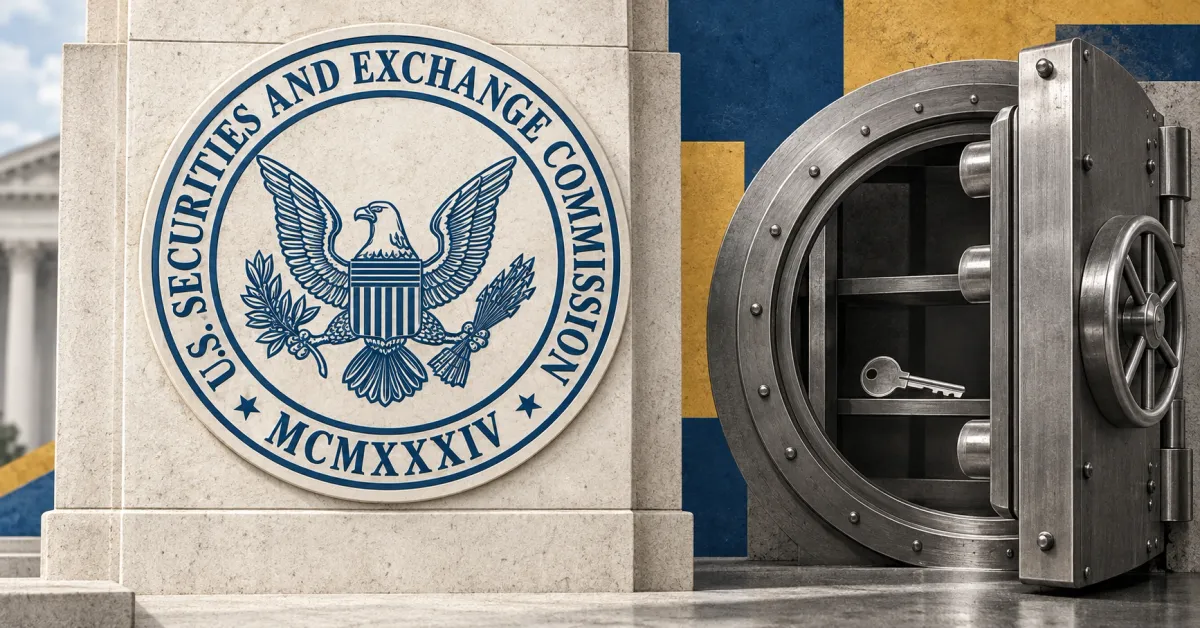
The SEC’s original July 2023 release alleged that Heart and his projects conducted unregistered offerings raising more than $1 billion in crypto assets. It separately alleged misappropriation of at least $12 million. Those were civil allegations, not criminal convictions or figures newly established by the Turkish searches.
Judge Carol Bagley Amon’s February 28, 2025 dismissal order found insufficient personal jurisdiction and, independently, inadequately pleaded domestic transactions or conduct under U.S. securities laws. The court granted the motion to dismiss and allowed the SEC an opportunity to amend.
Those findings concerned the court’s authority and the complaint’s legal sufficiency. They did not result from a trial deciding whether the alleged conduct occurred, and they did not establish a blanket exemption for the tokens from every country’s laws. A procedural victory in that civil action and a wanted-person investigation abroad can coexist.
Heart’s lawyers at Clark Smith Villazor said in April 2025 that the SEC declined to file an amended complaint. That ended the agency’s pursuit of that complaint; it did not resolve the separate Finnish allegations now relevant to the detention.
Conversely, the Turkish announcement does not revive the dismissed SEC case. As the recent Gemini-CFTC settlement dispute illustrates in a different context, the operative court decision and the particular proceeding determine what legal obligations remain.
Broader crypto sentiment was also separate: Alternative.me’s Bitcoin-focused index displayed 53, or Neutral, against 55 in its previous-day field at the October 18 check. It does not measure the likelihood of extradition or the recoverability of assets.
Fear & Greed Index
Source checked October 18, 2026The next substantive developments are a custody or extradition decision and a verified account of any accessible crypto assets. As of the reviewed October 17 disclosures, no transfer date, wallet valuation or investor distribution process had been announced, and examination of the seized materials remained underway.
Stay up to date
Get the latest crypto insights delivered to your inbox
Primary sources and further reading
| Source | Title |
|---|---|
| | Turkish Ministry of Justice: October 17 detention and seizure statement |
| | INTERPOL: What a Red Notice means |
| | SEC: Original July 2023 civil complaint announcement |
| | February 28, 2025 district court dismissal order, reproduced by Midpage |
| | Heart's counsel: April 2025 decision not to amend the SEC complaint |
Fact-checked by: Daily Crypto Briefs Fact-Check Desk
Related Articles




Frequently Asked Questions
Was Richard Heart arrested in Turkey?
Turkey's justice minister confirmed on October 17, 2026 that Richard James Schueler, known as Richard Heart, was detained in Istanbul's Beşiktaş district on October 14.
Did Turkey seize $7.15 million in cryptocurrency from Richard Heart?
The announcement lists $7.15 million in cash and six cold wallets separately. It does not disclose the wallets' cryptocurrency balances, assets or addresses.
Has Richard Heart been extradited to Finland?
No extradition decision or transfer date was announced in the reviewed October 17 statements. Detention following a Red Notice does not establish that extradition has occurred.
Was the SEC's Richard Heart lawsuit dismissed?
Yes. A federal judge dismissed the civil lawsuit in February 2025 over jurisdiction and the inadequately pleaded domestic reach of U.S. securities laws. His counsel said the SEC declined to amend in April 2025.
Do the seized wallets establish a HEX refund fund?
No. The disclosures do not identify a restitution process, a court-approved distribution or the value of cryptocurrency controlled through the seized devices.