 Daily Crypto Briefs




WASHINGTON, June 18, 2026
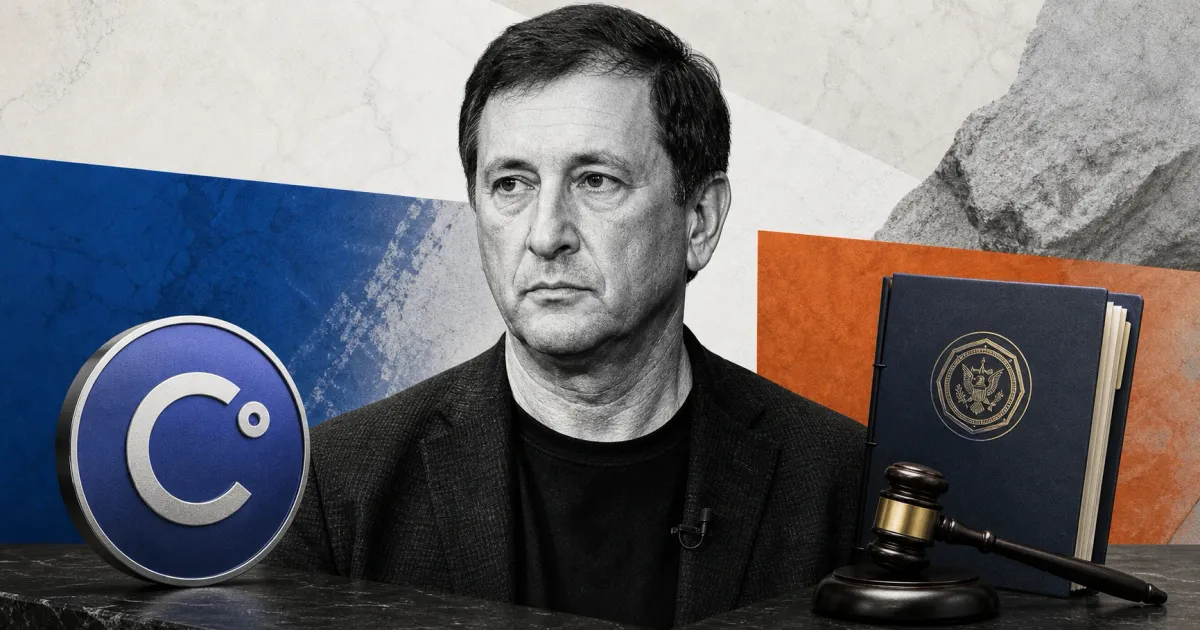
A federal court permanently barred Celsius founder Alex Mashinsky from CFTC-regulated trading and registration, closing the regulator’s case over a crypto lender that received approximately $20 billion in customer funds before its collapse.
The Commodity Futures Trading Commission announced the resolution Thursday after the Southern District of New York entered a consent order dated June 12. Mashinsky is already serving a 12-year federal prison sentence from the parallel criminal prosecution.
The final civil order adds a permanent market ban to the criminal penalties. The Justice Department said Mashinsky was ordered to forfeit $48,393,446, pay a $50,000 fine and serve three years of supervised release after prison. Celsius creditors, meanwhile, are still receiving money through the bankruptcy process.
Market data showed how little economic relevance remains in the company’s former loyalty token. CoinGecko listed CEL near $0.0114 on June 18, down about 34% from its May 19 close and 99.9% below the token’s $8.05 all-time high. Its market capitalization was roughly $407,000, with daily volume near $1,100.
The CFTC said the order permanently enjoins Mashinsky from further violations of federal anti-fraud provisions and prohibits him from trading on registered entities or seeking CFTC registration. The agency’s 2023 complaint alleged Celsius presented itself as a safe, bank-like alternative while using customer assets in increasingly risky strategies.
The case completes one regulatory track, but it does not finish the Celsius recovery. Creditors still face distribution, identity-verification and litigation steps, while the court retains jurisdiction to enforce Mashinsky’s permanent restrictions.
Celsius Network
CELMashinsky Gets a Permanent CFTC Ban
The eight-page consent order prohibits Mashinsky from trading commodity interests on or subject to the rules of any CFTC-registered entity. It also bars him from having commodity interests traded on his behalf, controlling another person’s commodity trading, soliciting funds for such transactions and acting as a principal or agent of a regulated firm.
Mashinsky also cannot apply for CFTC registration or claim an exemption, except for a narrow regulatory exception cited in the order. The restrictions have no expiration date.
The settlement dismisses three counts of the CFTC complaint with prejudice and resolves the remaining anti-fraud count. The court will keep jurisdiction to enforce the order, and Mashinsky waived his right to appeal the civil resolution.
The CFTC’s original 2023 case accused Celsius and Mashinsky of fraud and material misrepresentations from 2018 through at least June 2022. Regulators said the company promoted weekly rewards and high yields while concealing losses and the risks taken with pooled customer assets.
That enforcement theory resembles the licensing and product-boundary questions in Australia’s recent Block Earner crypto yield ruling, but the Celsius case went further. It combined platform-level representations, customer losses, token-market conduct, bankruptcy and parallel criminal convictions.
Celsius Customers Faced a $4.7B Freeze
The Justice Department’s sentencing record said hundreds of thousands of customers had $4.7 billion in inaccessible assets when Celsius stopped withdrawals on June 12, 2022. The company filed for bankruptcy one month later.
Prosecutors said Mashinsky made false statements about Celsius’s financial condition, liquidity and role in supporting CEL’s price. They also said Mashinsky and other executives bought CEL to support its value while he sold large quantities, producing approximately $48 million in personal profit.
Mashinsky pleaded guilty in December 2024 to commodities fraud and securities fraud. In May 2025, U.S. District Judge John Koeltl imposed the 12-year sentence, forfeiture and fine that remain separate from the new CFTC trading ban.
The CFTC said Celsius received approximately $20 billion in funds over its operating life. That figure measures deposits received, not the amount still owed at bankruptcy, but it shows the scale reached by the yield platform before withdrawals stopped.
The collapse remains a warning about treating a crypto yield account as a bank deposit. Daily Crypto Briefs’ coverage of BlockFills freezing withdrawals and deposits shows the same practical risk in a different setting: customers can lose access before the final legal and balance-sheet picture becomes clear.
Celsius Creditors Still Await Recoveries
Celsius announced a fourth creditor distribution of $344.4 million for 2026. The administrator said the pool included approximately $257 million from a Tether litigation settlement, $73.7 million released from disputed and contingent claim reserves and $9.4 million from forfeited claims.
The distribution was expected to be the last broad payment made in bitcoin, with later distributions shifting toward U.S. dollars and stablecoins. Eligible creditors must pass anti-money laundering and know-your-customer checks, and unresolved payments are retried on a rolling basis.
White & Case said in January that more than $3 billion in cash and cryptocurrency had been distributed to creditors. That is substantial, but it is not directly comparable with the $4.7 billion frozen in 2022 because claim values, asset prices, eligibility and bankruptcy recoveries changed over time.
The creditor process also carries an active phishing risk. Celsius warns users to verify the official claims portal and approved sender domains before entering credentials or distribution information.
The CFTC order narrows what remains unresolved around Mashinsky himself. He cannot return to regulated U.S. commodity markets after prison, and the regulator can seek enforcement if he violates the injunction.
Crypto sentiment was still weak as the case closed. Alternative.me’s Crypto Fear and Greed Index stood at 15, or Extreme Fear, on June 18.
Fear & Greed Index
June 18, 2026The next practical checkpoints are creditor reattempts, remaining litigation recoveries and enforcement of the consent order. The CFTC resolution ends its civil case against Mashinsky, but Celsius’s bankruptcy administration will continue after the founder’s market ban is final.
Stay up to date
Get the latest crypto insights delivered to your inbox
Primary sources and further reading
| Source | Title |
|---|---|
| | CFTC: Resolution of action against Celsius founder |
| | CFTC: Mashinsky consent order |
| | CFTC: 2023 complaint against Celsius and Mashinsky |
| | U.S. Department of Justice: Mashinsky sentencing |
| | Celsius Distributions: Fourth creditor distribution |
| | CoinGecko: Celsius Network token market data |
| | Alternative.me: Crypto Fear and Greed Index |
Fact-checked by: Daily Crypto Briefs Fact-Check Desk
Related Articles



Frequently Asked Questions
What did the CFTC order against Alex Mashinsky do?
The federal consent order permanently bars Mashinsky from trading commodity interests on CFTC-regulated entities, directing such trading for others, soliciting funds for commodity-interest transactions, and registering with the CFTC.
Was Alex Mashinsky already sentenced to prison?
Yes. A federal judge sentenced Mashinsky to 12 years in prison in May 2025 after he pleaded guilty to commodities fraud and securities fraud.
How much customer money did Celsius receive?
The CFTC said Celsius received customer funds totaling approximately 20 billion dollars in value. The Justice Department said 4.7 billion dollars of customer assets were inaccessible when withdrawals stopped in June 2022.
Are Celsius creditors still receiving distributions?
Yes. Celsius announced a fourth distribution of 344.4 million dollars for eligible creditors in 2026. White & Case said total cash and cryptocurrency distributions had exceeded 3 billion dollars by January 2026.
What happened to the CEL token?
CEL traded near 1.1 cents on June 18, 2026, roughly 99.9% below its 2021 all-time high of 8.05 dollars, according to CoinGecko.