 Daily Crypto Briefs



ZUG, Switzerland, June 23, 2026
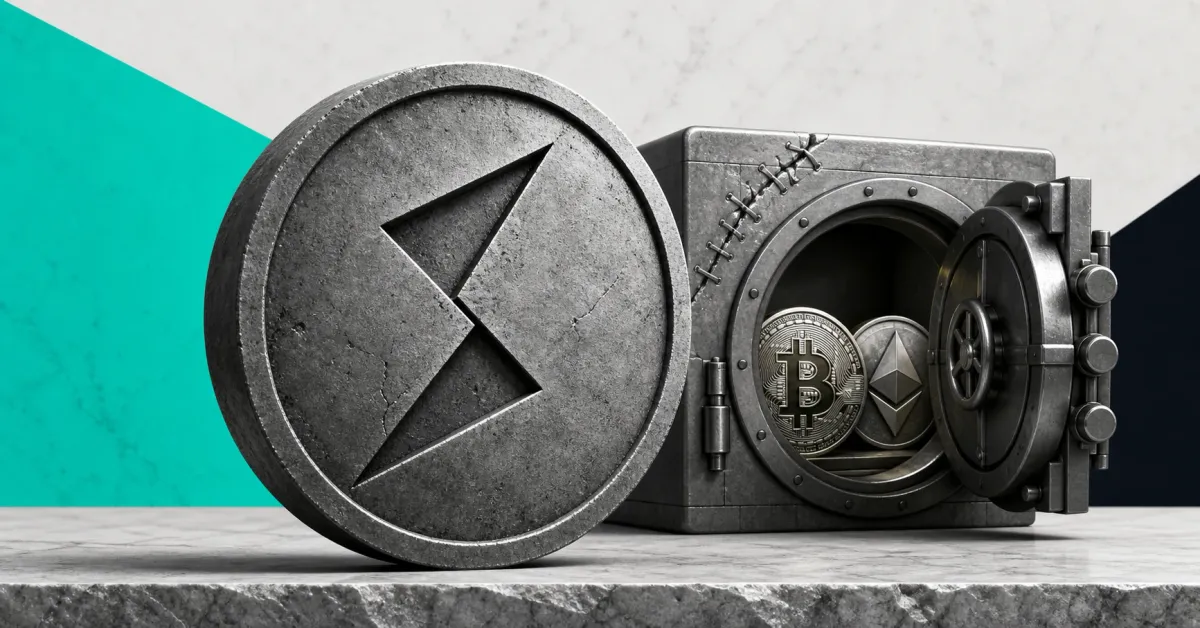
THORChain restored swaps and all major network functions on Tuesday, 39 days after a malicious node operator drained approximately $10.7 million from a protocol vault and forced the cross-chain exchange into its longest shutdown.
The Bitcoin-focused decentralized exchange said signing, vault churning, secured and trade assets, liquidity-provider actions and swaps were running again. The restart followed a staged v3.19 upgrade, key-share verification and migration of assets into freshly generated vaults.
CoinGecko market data showed RUNE near $0.414 on June 23, down about 1.8% over 24 hours but little changed over seven days. Trading volume reached approximately $26.7 million, up sharply from the prior day, while market capitalization stood near $140 million and total value locked was about $53.2 million.
THORChain
RUNEIn its restart announcement, THORChain said, “Trading is live again,” adding that every vault and key share had been checked before normal operations returned. The team framed the delay as a security decision rather than a race to restore volume.
The reopening marks a different stage from recent emergency pauses elsewhere in DeFi. Taiko remained in incident response after a $1.7 million bridge exploit, while THORChain has moved from containment to testing whether patched vault infrastructure can handle live cross-chain flows.
The immediate risk is no longer an inactive exchange. It is whether swap volume, liquidity and validator operations remain stable after a complex recovery that changed both the network’s security checks and how the exploit loss is absorbed.
THORChain Reopens Every Trading Function
THORChain enables users to swap native assets such as bitcoin, ether and stablecoins without sending funds through a centralized exchange or receiving wrapped versions of those assets. That design depends on network-controlled vaults that hold real coins across multiple blockchains.
The June 23 restart restored the functions required to move those assets. Signing authorizes outbound transactions, churning rotates validators and vaults, liquidity actions let providers add or remove capital, and trading connects those pieces into executable swaps.
THORChain did not reopen everything at once. Validators first adopted v3.19, validated the ADR-028 economic migration and ran a temporary keyverify process to confirm that node key shares were intact. The network then resumed signing and completed a churn that moved funds into new vaults before reopening liquidity actions and trading.
A June restart briefing said v3.19.1 added verification stability work and another security patch before the final churn. The sequence treated trading as the last service to return because it creates continuous demand for vault signatures across supported chains.
The operational return is visible in THORChain markets tracked by CoinGecko, including active BTC/RUNE and ETH/RUNE pairs. The protocol’s main website still displayed a temporary-pause warning when reviewed Tuesday, however, making the official X announcement and live market activity the clearer current indicators.
How the THORChain Vault Exploit Worked
The shutdown began May 15 after an attacker compromised one Asgard vault. THORChain’s official exploit report said a newly churned node operator joined two days earlier and exploited a vulnerability in the network’s GG20 threshold-signature implementation.
Threshold signatures are designed to split control of a vault key among many nodes so no single operator possesses the full private key. THORChain said the attacker defeated that protection, reconstructed enough sensitive material to authorize unauthorized transactions and drained one of five vaults.
Automatic solvency checks detected abnormal balances within minutes and stopped signing on several chains. Node operators then used manual pauses and governance votes to halt trading, signing, chain observation and churning across the network within about two hours of the public alert.
The remaining four vaults were not affected, according to the report. THORChain also said the Solana pool was safe because its signature system was not vulnerable to the same attack class and that initial findings showed no direct loss of individual user funds.
The incident added to a severe month for protocol security. Daily Crypto Briefs tracked more than $605 million lost across crypto platforms, with key management, bridges and cross-chain messaging repeatedly appearing as high-value failure points.
THORChain patched the immediate weakness through v3.18.1, then bundled broader TSS security changes into v3.19. The recovery process also added compromised-vault quarantine controls and required fresh checks of distributed key shares before vault signing could resume.
RUNE Holders Face the Recovery Test
The approved ADR-028 recovery plan directs protocol-owned liquidity to absorb the loss first. Any uncovered shortfall can then be distributed proportionally across holders of THORChain synthetic assets, while future network income rebuilds the protocol’s liquidity reserves.
The plan states that no new RUNE will be minted or sold, avoiding direct token dilution. The malicious node was also subject to slashing, while innocent nodes that shared the compromised vault were protected under the approved framework.
That approach shifts the market test from token supply to liquidity quality. Using protocol-owned capital preserves RUNE’s issuance structure, but a thinner reserve base can make fee generation, pool depth and future loss absorption more important after trading resumes.
RUNE’s price has recovered from its early June low near $0.32 but remains below the roughly $0.45 level recorded one month ago. The increase in daily volume after the restart suggests traders are returning, although one session does not establish that liquidity has normalized.
Broader sentiment also remains defensive. The Crypto Fear and Greed Index stood at 23, or Extreme Fear, on June 23.
Fear & Greed Index
June 23, 2026THORChain said native Monero swaps were already working in end-to-end testing, with Zcash expected to follow. Those additions could expand demand for privacy-focused cross-chain liquidity, but they also increase the number of chain clients and operational paths the restored network must support.
The next evidence will come from sustained swap volume, validator stability, vault solvency and the completion of THORChain’s deeper security review. A full technical follow-up on the GG20 failure was not yet published when this article was completed, and the amount ultimately recovered from the attacker remained unclear.
Stay up to date
Get the latest crypto insights delivered to your inbox
Primary sources and further reading
| Source | Title |
|---|---|
| | THORChain: Trading restart announcement |
| | THORChain Exploit Report #1 |
| | THORChain: ADR-028 recovery plan |
| | THORChain: Final restart timeline and v3.19.1 update |
| | CoinGecko: THORChain price and market data |
| | Alternative.me: Crypto Fear and Greed Index |
Fact-checked by: Daily Crypto Briefs Fact-Check Desk
Related Articles



Frequently Asked Questions
Is THORChain trading live again?
Yes. THORChain said on June 23, 2026 that swaps, signing, vault churning, secured and trade assets, and liquidity-provider actions were operational again.
How long was THORChain offline?
The network halted sensitive operations after the May 15 exploit and announced its full return on June 23, a period of 39 days.
How much did the THORChain exploit cost?
THORChain estimated that the attacker drained approximately $10.7 million from one of the protocol's five vaults.
Were THORChain user funds stolen?
THORChain said the loss affected protocol-controlled funds and that its initial investigation found no direct loss of individual user funds.
Will THORChain mint new RUNE to cover the loss?
No. The approved ADR-028 plan says no new RUNE will be minted or sold. Protocol-owned liquidity absorbs the loss first, followed by a proportional adjustment for synthetic-asset holders if needed.
What should THORChain users watch next?
The main tests are sustained swap volume, vault stability, liquidity depth, completion of the security review, and whether planned Monero and Zcash integrations launch without disrupting the restored network.