BlackRock, Coinbase, Strategy and other Bitcoin firms have pledged $15 million over three years to fund long-term Bitcoin security and post-quantum research.
Galaxy launched a $5 million Bitcoin Quantum Readiness Initiative, putting grant funding and a new advisory council behind work to prepare Bitcoin for post-quantum cryptography.
Algorand plans native post-quantum accounts in Q3 2026 and broader quantum resilience by the end of 2027, including wallets, staking and consensus.
BIP-361 would block sends to quantum-vulnerable Bitcoin addresses, sunset legacy signatures, and put early BTC wallets at risk of being frozen if holders do not migrate in time.
Lightning Labs CTO Olaoluwa Osuntokun and StarkWare researcher Avihu Levy unveiled new Bitcoin quantum wallet prototypes as BTC held near 72,255 and the Satoshi market stayed at 9%.
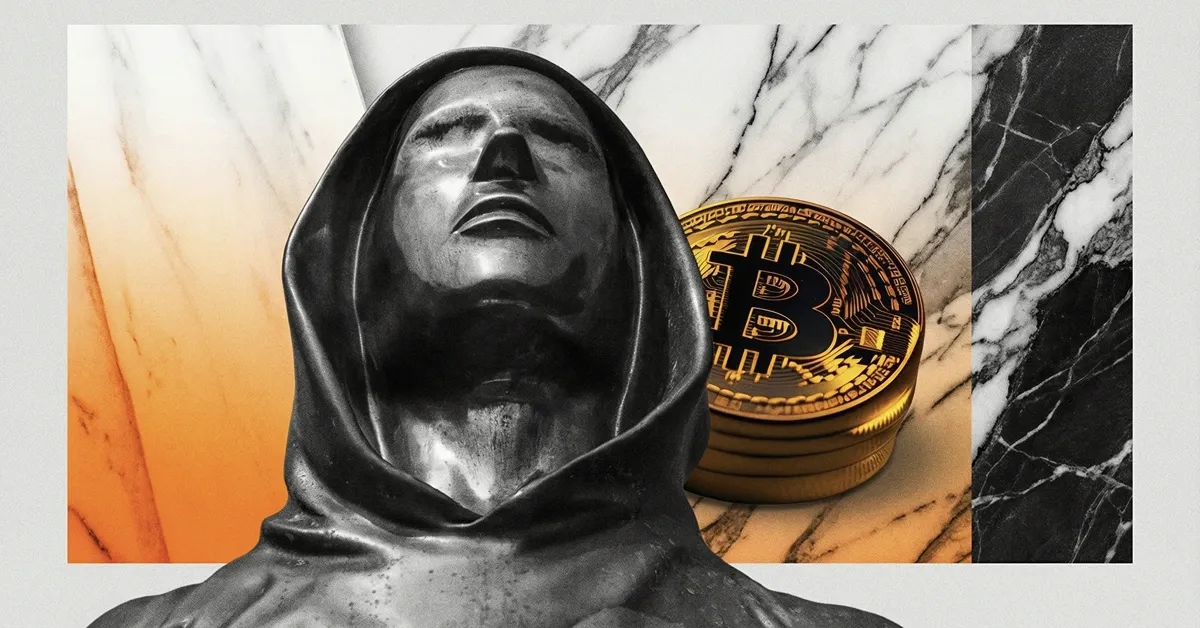
Google Quantum AI said future machines could break Bitcoin's secp256k1 cryptography with far fewer resources, reviving focus on Satoshi Nakamoto's 1 million BTC as Polymarket kept pricing a higher risk premium.
Bitcoin developers merge BIP-360 to introduce quantum-resistant addresses, aiming to protect vulnerable legacy fortunes like Satoshi Nakamoto's estimated 1 million BTC from future quantum computing threats.