 Daily Crypto Briefs




WASHINGTON, August 6, 2026
The U.S. Senate had not completed a public floor vote on the CLARITY Act by Thursday, leaving the crypto market-structure bill without its next procedural step as Bitcoin traded near $64,309 and lawmakers approached the August break.
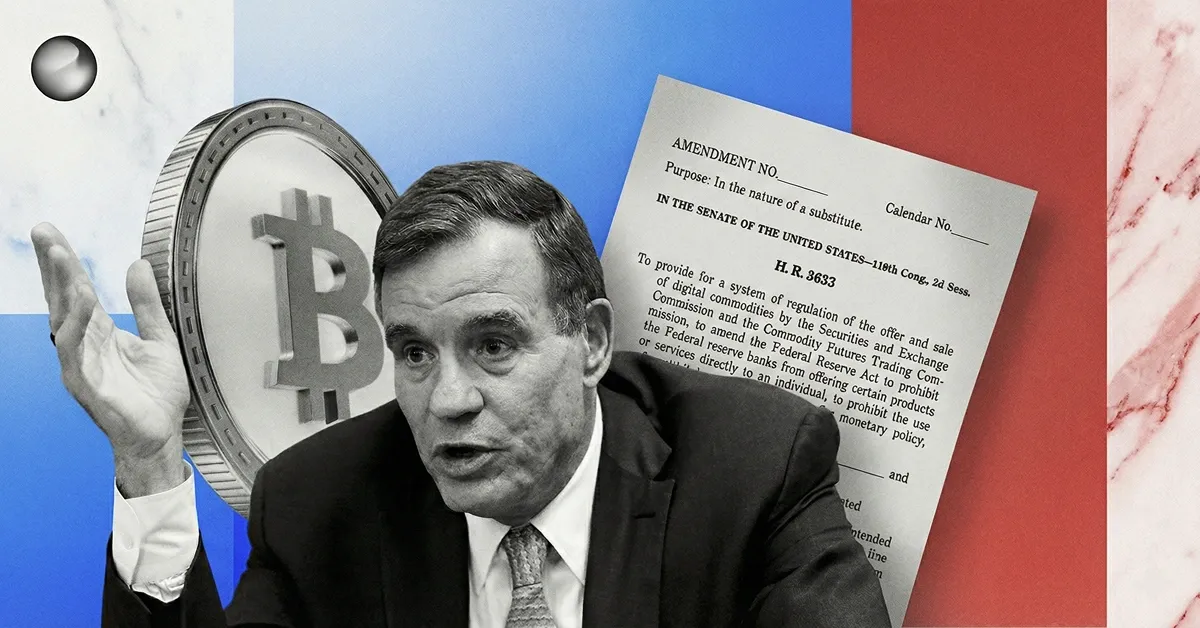
The immediate development is procedural, but it is consequential for an industry seeking federal rules for exchanges, brokers, token issuers and decentralized-finance activity. The Senate Banking Committee marked up H.R. 3633 in May, yet the Senate still must take up and pass a final version before it can become law.
Bitcoin was down 0.6% over 24 hours, with a market capitalization of about $1.29 trillion and 24-hour trading volume of roughly $18.7 billion, according to CoinGecko. Ether traded near $1,902, down 0.4%, with about $7.1 billion in daily volume. The Crypto Fear & Greed Index stood at 25, classified as Extreme Fear.

Bitcoin
BTCThe latest published Senate floor plan, for Aug. 3, scheduled a procedural vote on a continuing-resolution vehicle rather than H.R. 3633, according to the Senate Democratic Caucus schedule. Subsequent public reporting has not identified a completed CLARITY floor vote. That is the material change from the spring: the bill has cleared committee work, but its floor process remains unfinished at the practical August cutoff.
Senate Majority Leader John Thune said in late July that he wanted to at least start CLARITY consideration and would see where the votes were, according to reporting on his remarks. He did not set a completed-vote timetable, and a Senate vote count has not been publicly disclosed.
CLARITY Act has no completed Senate floor vote
The House passed H.R. 3633 on July 17, 2025, by 294 to 134, according to the House Clerk’s roll call. That does not carry the bill through the Senate. Senators must agree on their own text or amend the House bill, then clear the chamber before any final House action and presidential signature.
The Banking Committee’s May 14 markup established that the proposal had moved beyond an early discussion draft. Chairman Tim Scott said the committee was considering legislation intended to set clearer rules for digital assets, according to the committee release.
But a committee milestone and a floor vote are different events. The Senate has had months to reconcile overlapping jurisdiction, customer-protection and banking-policy questions. Daily Crypto Briefs previously tracked the earlier canceled Senate markup; the August development is that the broader Senate floor step still has not been completed.
That distinction is important for searchers asking whether the bill has passed. It has passed the House and advanced through Senate committee work, but neither fact means the Senate has enacted it. The legislation would remain a proposal until the chamber completes its process and the House and Senate agree on the same text.
The published August 3 agenda is also a useful check on headlines. It named a cloture vote on a continuing-resolution vehicle, a motion used to advance that separate funding measure, rather than a CLARITY Act procedure. Senate business can change quickly, but a public schedule is stronger evidence than a target date or a private expectation.
Senate compromises have not cleared the last hurdle
The proposed framework would help define how the SEC and CFTC oversee digital assets and set registration expectations for intermediaries. The introduced House bill text documents the starting point, while Senate negotiations have been working toward a version that can attract 60 votes.
Stablecoin rewards remain one of the central unresolved issues. Banks argue that yield-like features could draw funding away from insured deposits, while crypto firms have argued that compliant rewards are part of how wallets, exchanges and payment products compete for dollar balances. The policy conflict is explored in our report on banks pushing into stablecoin economics.
Ethics rules have also complicated the talks, according to the late-July report on Thune’s comments. Those questions do not change the House vote already on the books, but they can decide whether negotiators produce text that can survive a Senate floor process.
The debate has a practical effect beyond Capitol Hill. A trading platform needs to know which rulebook applies before it can register a product, custody an asset or decide what disclosures a customer must receive. A token issuer faces a similar question when a product may sit near the boundary between a digital commodity and a security-like instrument.
The House text is not automatically the final answer to those questions. Senate negotiators can amend it, and a floor process can add further changes. That is why companies cannot rely on an expected bill outcome as if it were a current rule, even when the policy direction has broad industry support.
The inference from the calendar is restrained: an unfinished August vote gives negotiators less room, not no room. It keeps firms operating under the existing mix of SEC, CFTC, banking and state rules while the legislative answer remains incomplete.
What the August break changes for crypto rules
The next signal is a published Senate procedure, not another target date. The chamber’s return schedule and any new floor notice will show whether leaders plan to begin debate, whether amendments will be considered, and whether enough senators support moving the bill forward.
If the Senate changes the House bill, the House would have to take up that version or the two chambers would have to reconcile their differences. That extra step is why a floor vote alone would not make the measure law, but its absence now extends the timeline for every later stage.
The calendar pressure is concrete. The late-July report said the Senate’s state work period was scheduled to begin Aug. 10, with members due back Sept. 14. A September return could still provide a path, but any floor action would compete with appropriations, nominations and the political demands of an election year.
For markets, that does not create a price forecast. It does leave a known policy catalyst unresolved while Bitcoin and Ether trade in a risk-sensitive environment. The result is less clarity about timing for U.S. market rules, not a change to the legal status of the assets or platforms today.
For businesses, the unresolved question is operational: which regulator will set rules for a token, and what registrations or disclosures will apply to a platform. Our 2026 U.S. crypto regulation guide explains the current overlapping framework, while our coverage of the Senate Banking Committee’s earlier advance details the bill’s prior step.
Fear & Greed Index
Aug. 6, 2026What remains unknown is whether leadership will quickly schedule a procedural vote after the break, what compromise language will be released, and whether the bill can meet the Senate’s 60-vote threshold. Until then, the August cutoff has turned a long-running negotiation into a narrower fall calendar problem rather than a finished regulatory breakthrough.
Stay up to date
Get the latest crypto insights delivered to your inbox
Primary sources and further reading
| Source | Title |
|---|---|
| | Senate Democratic Caucus: Schedule for Monday, August 3, 2026 |
| | Senate Banking Committee: May 14 CLARITY Act markup |
| | GovInfo: H.R. 3633 introduced bill text |
| | U.S. House Clerk: Roll call 199 on H.R. 3633 |
| | U.S. Senate Historical Office: Senate seal |
Fact-checked by: Daily Crypto Briefs Fact-Check Desk
Related Articles


Frequently Asked Questions
Did the Senate vote on the CLARITY Act before the August 2026 recess?
No completed public Senate floor vote on the Digital Asset Market Clarity Act had been reported as of August 6, 2026. The latest published floor schedule listed a continuing-resolution vote, not H.R. 3633.
What is the CLARITY Act?
H.R. 3633 is the Digital Asset Market Clarity Act of 2025. It is a House-passed proposal to set a federal market-structure framework for digital assets, including rules for trading venues, intermediaries and regulatory oversight.
Why are stablecoin rewards important to the Senate CLARITY Act debate?
Negotiators have disagreed over how rules should treat rewards linked to stablecoin balances. The dispute affects how banks, exchanges, wallet providers and issuers could compete for customer cash-like balances.
What happens if the CLARITY Act misses the August window?
The bill remains available for Senate consideration, but lawmakers would return to a shorter fall calendar and any Senate changes would need further House action before the legislation could reach the president.