 Daily Crypto Briefs




CASABLANCA, June 9, 2026
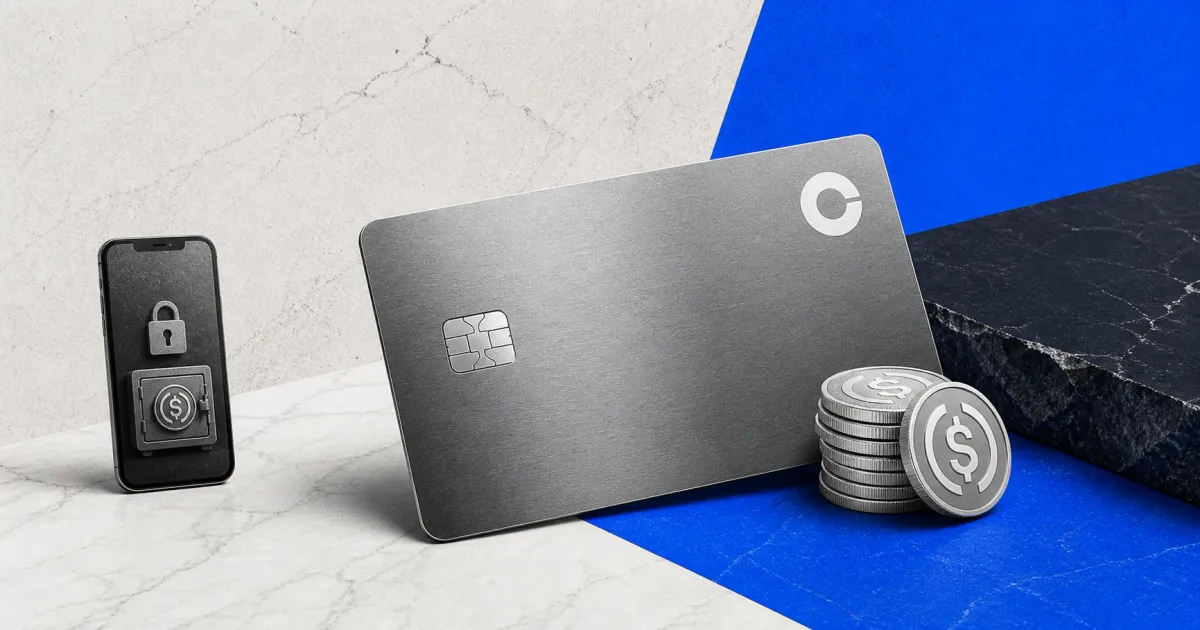
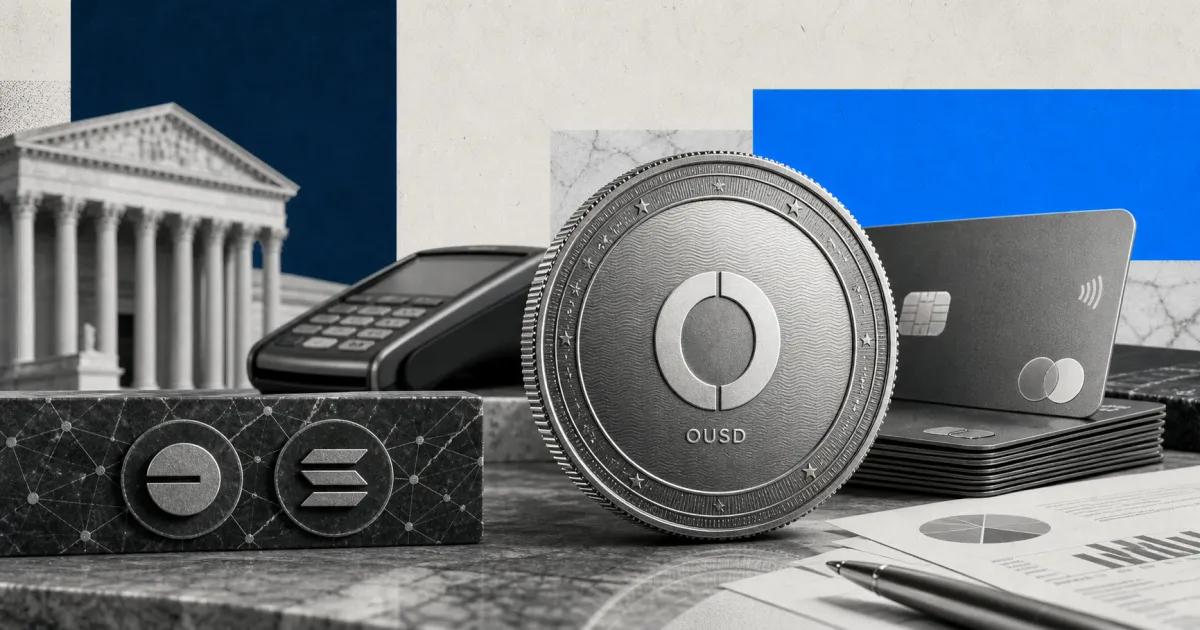
Coinbase and Cardless are pushing the Coinbase One Card as an American Express-network credit card that can use secured USDC for some applicants, bringing stablecoin balances into U.S. consumer credit as bitcoin traded near $61,763.
The card is built for paid Coinbase One members and is serviced by Cardless, with First Electronic Bank as issuer. The most important crypto feature is not only bitcoin-back rewards. Coinbase’s own U.S. terms describe a secured-card path in which some applicants may designate USDC in their Coinbase wallet as collateral for a Coinbase One Card with Security Deposit.
Market context is defensive but large enough for the product to matter. CoinGecko showed bitcoin at $61,762.96 on June 9, down 3.1% over 24 hours, with about $39.95 billion in 24-hour volume and a market value near $1.238 trillion. DefiLlama showed total stablecoin market capitalization at $317.042 billion, with USDC at $76.051 billion.

Bitcoin
BTCIn its United States user agreement, Coinbase says applicants who do not otherwise qualify may be offered the option to designate USDC in their Digital Asset Wallet, or USDC they will purchase, as “Secured USDC” for the secured card. Coinbase also says that secured USDC will not be eligible for withdrawal, transfer, lending, sale or trading until the secured-card account is closed and amounts owed are satisfied.
Coinbase One Card Uses Secured USDC
The secured USDC language is the hook because it turns stablecoin holdings into more than a trading balance. It gives Coinbase a way to offer a card path to applicants who may not meet standard credit underwriting, while keeping the collateral inside the same app where the user already holds crypto.
Coinbase’s terms also make the tradeoff clear. If a secured-card account is closed, or if the user defaults, First Electronic Bank or the designated control party may take possession of the secured USDC and apply proceeds from a sale or liquidation to amounts owed. Coinbase says users remain responsible if the secured USDC and its proceeds are not enough to cover the balance.
That is not the same as spending USDC at checkout. The card still runs through credit-card rails, and the cardholder still faces ordinary card-account obligations. Cardless says the Coinbase One Card is built inside the Coinbase app, with Cardless providing the infrastructure and APIs for application, servicing, wallet provisioning and crypto payments.
Bitcoin Rewards Tie To Coinbase Balances
The rewards engine gives the product its consumer search appeal. Coinbase’s card page says users can earn up to 4% bitcoin back on purchases, with rates rising as they hold more assets on Coinbase. The same page says Coinbase One annual membership starts at $49.99 and lists boosted USDC rewards of 3.75% APY on the first $10,000, then 3.35%.
The rewards terms are more specific. Coinbase says eligible purchases earn 2.0%, 2.5%, 3.0% or 4.0% bitcoin back depending on Assets on Coinbase, or AOC. The 2.5%, 3.0% and 4.0% tiers apply only to the first $10,000 in eligible purchases per calendar month before the rate drops to 2.0% for additional eligible purchases that month.
AOC includes the user’s Coinbase retail portfolio balance, including the USD wallet and digital asset wallet. For the first 60 days after a card account opens, Coinbase says AOC is determined in real time when an eligible purchase begins. After that, it uses the average daily end-of-day AOC balance over the prior 30 days.
That design turns portfolio size into a card-rewards input and gives users a reason to keep assets inside Coinbase. Daily Crypto Briefs has tracked a similar distribution pattern in Coinbase’s branded stablecoin push and in the broader fight over who controls stablecoin yield.
Stablecoin Credit Push Has Limits
The strongest implication is distribution. Stablecoins already move large amounts of value in trading, payments and DeFi, but a secured-card structure puts USDC into a mainstream credit product without asking users to learn DeFi mechanics.
That also raises sharper consumer questions. Coinbase says the card is subject to credit approval, eligibility requirements and state availability. An active paid Coinbase One membership is required to open and maintain the account and earn bitcoin back.
The product sits beside other consumer crypto-card experiments, including MetaMask’s self-custodial Mastercard rollout. The difference is custody and collateral. MetaMask emphasizes wallet-controlled spending, while Coinbase’s secured-card terms describe USDC being controlled for card-account obligations.
The timing is also notable because crypto sentiment remains weak.
Fear & Greed Index
June 9, 2026A card that offers bitcoin rewards and USDC-backed access can still attract attention in a fearful market because it is not only a trading product. It turns stablecoin balances into a possible credit file workaround and a stickier Coinbase account feature.
The next checks are operational. Coinbase and Cardless have not disclosed approval volumes, secured-card uptake, average secured USDC balances, state-by-state availability or whether the secured option will expand beyond the current U.S. terms. Those numbers will determine whether this is a niche card feature or a wider template for using stablecoins in regulated consumer finance.
Stay up to date
Get the latest crypto insights delivered to your inbox
Primary sources and further reading
| Source | Title |
|---|---|
| | Coinbase: Coinbase One Card |
| | Coinbase: United States user agreement |
| | Coinbase: Coinbase One Card rewards terms |
| | Cardless: The Coinbase One Card |
| | CoinDesk: Coinbase and Cardless unveil credit card backed by stablecoins |
| | DefiLlama: Stablecoins dashboard |
| | CoinGecko: Bitcoin price |
| | Alternative.me: Crypto Fear and Greed Index |
Fact-checked by: Daily Crypto Briefs Fact-Check Desk
Related Articles

Frequently Asked Questions
What is the Coinbase One Card with Security Deposit?
It is a secured version of the Coinbase One Card that Coinbase says may be offered to some applicants who do not otherwise qualify, using designated USDC as Secured USDC.
Does the Coinbase One Card earn crypto rewards?
Yes. Coinbase's rewards terms say eligible purchases can earn bitcoin back, with rates from 2% to 4% based on Assets on Coinbase.
Who issues and services the Coinbase One Card?
Coinbase says the card is issued by First Electronic Bank, Cardless services the card account, and Coinbase administers the bitcoin rewards program.
Is the Coinbase One Card available to every Coinbase user?
No. Coinbase says the card requires an active paid Coinbase One membership, is subject to credit approval and eligibility rules, and may not be available in all states.