 Daily Crypto Briefs




FORT WORTH, Texas, Aug. 11, 2026
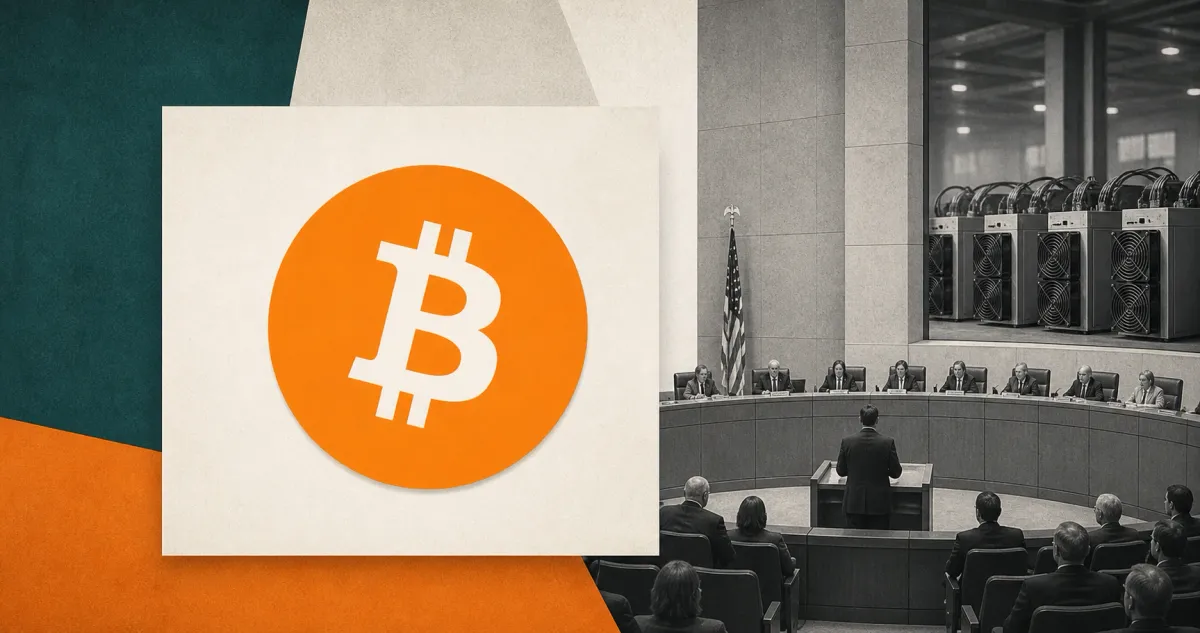
Fort Worth is taking up a proposed zoning change that would prohibit cryptocurrency mining in the city’s nonresidential districts while establishing data-center rules, putting a sharply different policy question before the Texas city that ran a small municipal Bitcoin-mining pilot in 2022.
The proposal, identified as ZC-26-087 in the city’s public notice, is a land-use measure, not a restriction on owning or trading Bitcoin. The notice schedules City Council consideration for Aug. 11; a final council record or enacted ordinance had not been published when this report was prepared.
The draft would put cryptocurrency mining into its own zoning provision and prohibit it across nonresidential districts. It would also limit data centers to industrial districts and create standards for those facilities, which city staff have proposed amid a wider North Texas buildout of power-hungry computing sites.
Bitcoin traded near $63,441 at 18:31 UTC on Aug. 11, according to CoinGecko market data reviewed for this report. That was down about 4.6% from the $66,521 daily reading on July 22, though it was about 0.9% above the $62,897 reading on Aug. 1.
The timing puts a local zoning decision next to a cautious crypto market. Bitcoin’s 30-day swing was modest by its standards, but its price and electricity-intensive mining economics remain central to how operators value a permitted site, machines and long-term power access.
The city notice says the amendment would add Section 5.160, titled “Crypto Currency Mining,” and amend the use table and definitions in Fort Worth’s zoning code. It also says the data-center provisions would establish development standards and restrict those facilities to industrial districts.
Fort Worth’s proposal arrives as listed miners turn existing power infrastructure toward other forms of compute. Riot Platforms’ $9.1 billion Rockdale lease is one recent example: it is a contracted AI-data-center project, not a crypto mine, but it illustrates why local zoning language now affects several competing uses for the same kind of electrical infrastructure.

Bitcoin
BTCFort Worth’s Proposed Crypto Mining Ban Goes to Council
The proposed rule is more sweeping than a restriction on new facilities. The public notice describes cryptocurrency mining as prohibited in “all non-residential districts,” while the amended use table would separately recognize it under light-industrial services.
That wording is important because a zoning ordinance governs where an activity may be operated. It does not set Bitcoin’s market rules, change the network’s code or address whether someone can hold a token. The city notice does not identify operating mines that would be affected, transition periods, or whether a final version would alter the draft language.
The City Council’s own meeting page says the body adopts city ordinances. A scheduled hearing is not the same as a completed ban, and readers should distinguish the proposal from any outcome until the council publishes its vote and final text.
The proposal is also unusual in Fort Worth’s own recent history. In April 2022, the council accepted three donated Bitcoin-mining machines and authorized a small pilot, according to the city legislative record. The pilot was a narrow city-government demonstration; the 2026 zoning case concerns the allowed use of commercial property across the city.
That contrast supplies much of the search interest around the issue. A city that once used a few donated machines to explore Bitcoin is now considering rules that would shut the door on a far larger, more industrial version of the activity. The source documents do not say the new proposal was prompted by the 2022 pilot.
Data-Center Standards Are the Other Half of ZC-26-087
Crypto mining is only one part of the zoning case. The notice would also define data centers and make them an industrial-district use, rather than leaving them under general zoning treatment. That distinction is increasingly important as artificial-intelligence infrastructure and Bitcoin mining compete for land, transmission access, cooling and large power connections.
Fort Worth’s Zoning Commission voted 7-4 to deny the package in July, according to KERA’s report on the public meeting. The vote did not kill the proposal. It sent it to the council process without a recommendation to approve it, after commissioners asked for more detail and time.
The same report said staff’s proposed framework included at least a 250-foot distance from homes, generators at least 300 feet from homes, screening, lighting controls, landscaping and closed-loop cooling. Those provisions are reported elements of the draft framework, not proof that they will appear unchanged in any final ordinance.
The proposal therefore reaches beyond the familiar Bitcoin-mining debates over price and grid demand. It sets a local test for how cities separate a crypto mine from an AI facility or other data center, even when all may seek similar high-capacity power and industrial sites.
For miners, zoning is one more execution risk alongside machine efficiency, curtailment agreements and financing. Daily Crypto Briefs has previously examined the sector’s $50 billion AI funding gap, where miners’ power assets can be valuable but still require signed customers and buildout capital to become data-center revenue.
Fort Worth Vote Puts Texas Mining Policy in Focus
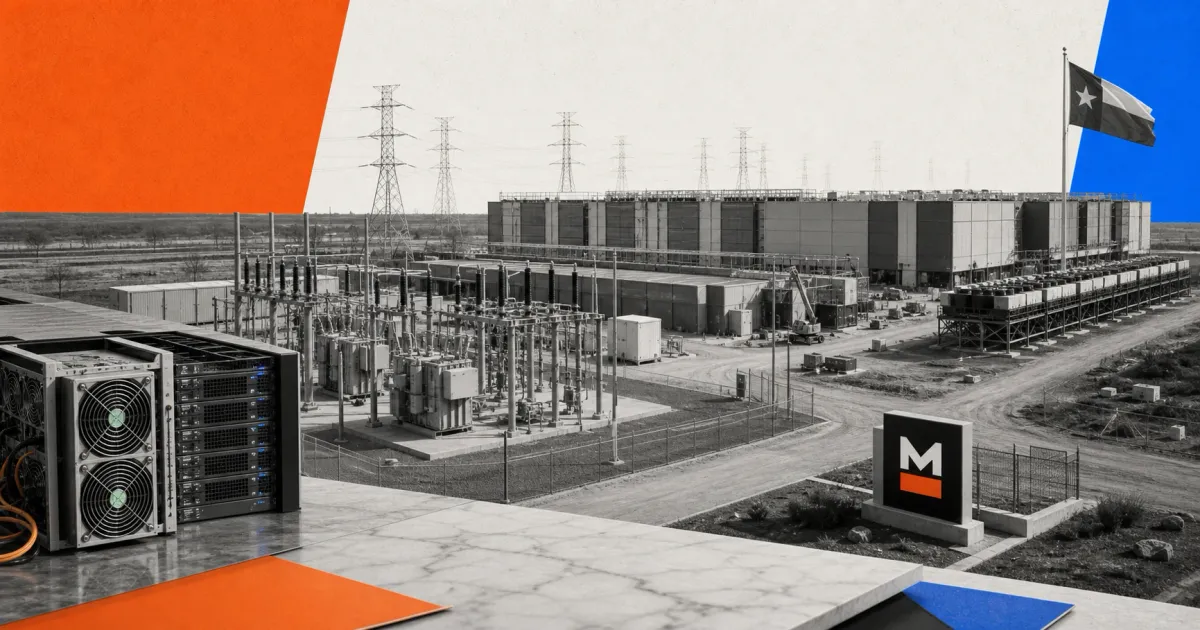
Texas remains a major Bitcoin-mining state because it offers developed energy markets, available industrial sites and flexible-load programs. Those same factors make local rules more consequential than a routine land-use dispute: a restrictive city ordinance can redirect a proposed mine before it signs a lease, buys machines or seeks an interconnection.
The Fort Worth case does not establish a statewide Texas ban. Its geographic scope is the city and its zoning districts, and the notice does not make a finding about Bitcoin’s security, legality or investment suitability. It instead frames cryptocurrency mining as a prohibited use inside a broader package tailored to local development controls.
The industry’s response has increasingly been to diversify. Some operators pursue AI or high-performance-computing leases, while others remain focused on mining output. That difference has operational consequences, as seen during Bitcoin’s weather-driven hashrate disruption, when electricity and site conditions could quickly affect block production and mining margins.
Crypto sentiment remained in Fear territory as the council process began. The Crypto Fear and Greed Index read 29 on Aug. 11, compared with 30 a day earlier. The measure does not indicate whether Fort Worth will adopt its proposal, but it gives a risk-sensitive backdrop for a policy debate involving an industry closely tied to Bitcoin’s price.
Fear & Greed Index
Aug. 11, 2026The next decisive document is the City Council vote record and any adopted ordinance text. Until then, the verified story is a proposal with a specific citywide mining prohibition and data-center framework before Fort Worth, not a completed ban or a new Texas-wide rule.
Stay up to date
Get the latest crypto insights delivered to your inbox
Primary sources and further reading
| Source | Title |
|---|---|
| | City of Fort Worth Zoning Case ZC-26-087 public notice |
| | City of Fort Worth City Council meetings |
| | City of Fort Worth 2022 Bitcoin-mining resolution |
| | CoinGecko Bitcoin market data |
| | Alternative.me Crypto Fear and Greed Index |
Fact-checked by: Daily Crypto Briefs Fact-Check Desk
Related Articles




Frequently Asked Questions
Is Fort Worth banning cryptocurrency mining?
Fort Worth's proposed ZC-26-087 zoning amendment would prohibit cryptocurrency mining in nonresidential districts. As of the Aug. 11 council process, the public notice describes a proposal rather than a published final ordinance, so the council record is the key confirmation to watch.
What would Fort Worth's data-center rules do?
The proposal would restrict data centers to industrial districts and add development standards. City reporting on the draft described proposed rules for setbacks, generators, lighting, landscaping and cooling equipment.
Why is Fort Worth's crypto-mining proposal notable?
Fort Worth approved a small municipal Bitcoin-mining pilot in 2022, becoming the first U.S. city government to do so. The 2026 proposal would mark a different policy approach to commercial cryptocurrency mining and data-center development.
Does the proposal affect owning or trading Bitcoin?
The zoning proposal addresses the land use of cryptocurrency-mining operations. It does not describe a restriction on residents owning, trading or using Bitcoin.