 Daily Crypto Briefs




NEW YORK, July 15, 2026
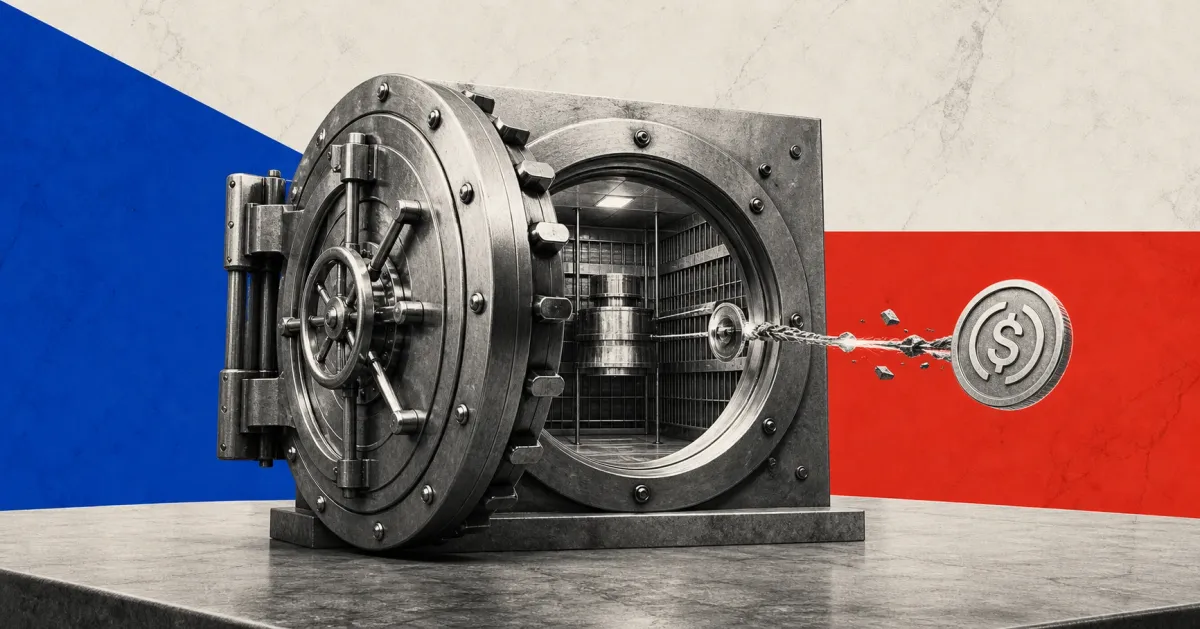
Ostium paused all trading Wednesday after security firm Blockaid said an attacker used future-dated oracle reports to trigger an estimated $18 million USDC payout from the Arbitrum protocol’s OLP liquidity vault, putting a fast-growing onchain market for stocks, commodities and foreign exchange under an immediate security review.
The protocol confirmed the halt but had not published a final loss figure, named affected vault depositors, described a recovery plan or set a timetable for withdrawals and trading to resume. The gap is central: the $18 million figure is a preliminary security estimate, not Ostium’s completed accounting.
The incident arrived as Ostium was expanding a product that gives wallet users perpetual exposure to traditional assets without a conventional broker. Its liquidity providers supply USDC to the OLP vault, which serves as the counterparty to traders, so a wrongful payout can become a direct loss for the vault rather than only an interruption to a front end.
The market backdrop was mixed rather than demonstrably caused by the incident. CoinGecko showed Ether near $1,924.39, up 2.6% over 24 hours, with a $232.24 billion market capitalization and about $13.04 billion in 24-hour volume. The wider crypto market capitalization was about $2.31 trillion, while Alternative.me’s Crypto Fear and Greed Index read 25, classified as Extreme Fear.

Ethereum
ETHOstium’s initial notice was short. “We are aware of the issue with the OLP vault,” the team said in its public pause notice. “We have paused all trading. The team is investigating.”
Blockaid says oracle reports triggered $18M payout
Blockaid’s preliminary account said the attacker used a registered PriceUpKeep forwarder and future-dated authorized oracle reports to create artificial trading profit. The resulting payout was estimated at about $18 million in Circle-issued USDC from the OLP vault.
An oracle is the system that brings an outside reference price into an onchain contract. For a perpetual venue, that price helps determine whether a position has gained or lost value. A report accepted outside its intended timing or authorization rules can therefore make a trade appear profitable when it should not be.
The security firm’s description is not yet a full technical post-mortem. It does not establish whether a signer key was compromised, whether a contract validation rule failed, whether the attacker controlled only one address, or how much of the reported payout remains recoverable. Ostium had not publicly answered those questions when the halt was announced.
That uncertainty also means readers should separate an apparent protocol loss from claims about every user balance. The OLP vault is designed to absorb trading profit and loss, but the team has not said whether the incident changed the status of pending withdrawals, insurance arrangements, treasury support or any user remediation.
The immediate parallel is not a routine price-feed outage. It is an authorization and settlement question in a leveraged system, where accepted data can result in contract releases. In June, a legacy Aztec contract lost about $4.4 million across two exploits, illustrating how a narrow contract pathway can keep exposing capital long after a product’s main development period.
Ostium’s OLP vault backed a $50B onchain market
Ostium’s own protocol documentation says the platform has handled more than $50 billion in cumulative volume across 71 trading pairs, reached more than $300 million in peak open interest and served more than 26,000 traders. It offers perpetual instruments tied to stocks, exchange-traded funds, commodities, indices, foreign exchange and crypto assets, with leverage up to 200 times on selected markets.
Those figures describe historical protocol scale, not capital remaining in the vault after Wednesday’s event. Early reporting cited roughly $63 million of total value locked before the apparent loss, a figure that would make an $18 million payout close to 29% of that level, but neither Ostium nor Blockaid had issued a final balance sheet.
The OLP model is a distinct risk from simply holding a token. In its explanation of the vault, Ostium says deposits are represented by OLP tokens and that the vault takes the other side of trader positions. It can earn fees when trading is orderly, but it is exposed when a trade is settled at an invalid profit.
Ostium was also marketed around traditional-market access. The protocol’s recent documentation says it uses a request-for-quote model, in which institutional liquidity partners provide a live quote for each order instead of users matching resting orders in a standard order book. That design can improve execution for markets such as gold, oil or stock indexes, but it makes the integrity of the data and authorization path particularly important.
The incident follows a broader move to bring synthetic market access onchain. Binance’s launch of round-the-clock gold and silver perpetuals showed the same push to package traditional price exposure for crypto-market users, though it uses a different venue and risk framework. Ostium’s pause now puts the operational safeguards around that model in sharper focus.
Ostium pause leaves users waiting for a loss accounting
The most important next disclosure is a protocol-level accounting: the final USDC removed, the onchain addresses involved, the vault’s remaining assets and liabilities, and whether any funds were frozen or recovered. A statement that trading is paused protects against further normal activity, but it does not by itself explain which contract permissions and price reports remain valid.
Users also need clarity on the status of deposits and withdrawals. Ostium’s earlier vault update said withdrawal requests are managed in epochs and may be executed automatically after a cooldown window. That system was designed for ordinary liquidity management, not an active security incident, so its treatment during the pause was not immediately clear.
There is a useful distinction between the halt and the wider chain. Ostium runs on Arbitrum, but the announcement does not indicate that the network itself failed or that USDC’s issuer had frozen the affected funds. The focus of the preliminary reports is the protocol’s OLP vault and its oracle-report path.
The episode also revives a lesson from the recent Base invalid-block outage: blockchain applications can depend on a narrow operational component even when the underlying chain continues processing. In Ostium’s case, the issue appears to concern trusted price authorization and vault settlement rather than block production.
Crypto sentiment remained defensive as the investigation began.
Fear & Greed Index
July 15, 2026Ostium’s next update will determine whether the initial $18 million estimate holds, whether the attacker can be identified or stopped, and how the protocol will handle vault liquidity before any trading restart. Until then, the confirmed facts are the trading pause and the preliminary security account, not a completed post-mortem or an announced reimbursement plan.
Stay up to date
Get the latest crypto insights delivered to your inbox
Primary sources and further reading
| Source | Title |
|---|---|
| | Ostium trading-pause notice |
| | Blockaid preliminary Ostium incident report |
| | Ostium protocol documentation |
| | Ostium OLP vault documentation |
| | CoinGecko Ethereum market data |
| | Alternative.me Crypto Fear and Greed Index |
Fact-checked by: Daily Crypto Briefs Fact-Check Desk
Related Articles




Frequently Asked Questions
Why did Ostium pause trading?
Ostium said it paused all trading after identifying an issue involving the OLP liquidity vault. Blockaid's preliminary report said an attacker used future-dated authorized oracle reports to create artificial trading profit and trigger USDC payouts.
How much was lost in the Ostium OLP vault incident?
Blockaid's initial report put the payout at about 18 million dollars in USDC. Ostium had not published a final loss accounting, a list of affected accounts or a recovery plan when this article was published.
What is Ostium's OLP vault?
The OLP, or Ostium Liquidity Provider, vault accepts USDC liquidity that acts as the protocol's counterparty for perpetual trades. Liquidity providers can earn trading fees but also bear trading and smart-contract risks.
Was Ostium's oracle signer key compromised?
Security reporting described the incident as involving future-dated authorized oracle reports. Ostium had not published a technical post-mortem confirming the root cause, the status of any signer key or the full attack path at publication.
When will Ostium reopen trading?
Ostium did not provide a restart timetable in its initial pause notice. The next material update will be whether the protocol can publish a verified loss figure, remediation plan and rules for vault withdrawals or trading resumption.