 Daily Crypto Briefs
NEW YORK, March 8, 2026
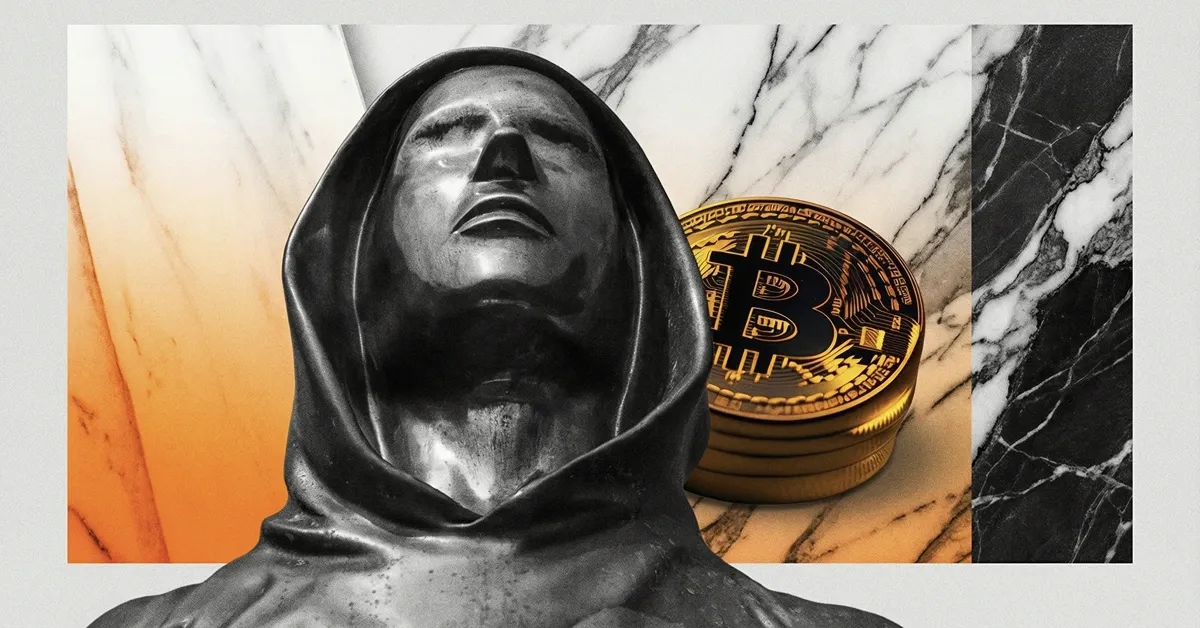
Bitcoin developers are debating BIP-360, a soft-fork for a new Pay-to-Merkle-Root output type, as bitcoin traded near $67,826 on March 8 and the sector weighed how to protect older coins, including Satoshi Nakamoto’s estimated 1 million BTC, before quantum computing becomes a practical threat.
Prediction markets have the odds of Satoshi moving any of his bitcoins at 9%, showing that these markets haven’t visibly reacted to the recent quantum computing news as the probabilities securely remained the exact same despite the new network developments.
Will Satoshi move any Bitcoin in 2026? Live

Market snapshot: Bitcoin was up about 4.9% from $64,642 on Feb. 23 to roughly $67,826 on March 8, after trading as high as $72,669 on March 5 and as low as $64,070 on Feb. 24 in the 14-day range shown below. Risk appetite remained weak after bitcoin slipped below its weekly 200EMA, and the embedded fear gauge on this page stood at 12.
Bitcoin (BTC): 14-day snapshot
BTCBitcoin BIP-360 draft adds P2MR
In the BIP-360 draft, the authors wrote that P2MR outputs have “nearly the same functionality as P2TR outputs, but with the key path spend removed.” The proposal is listed as Draft, not active consensus rules, and describes the change as a first step against what it calls long-exposure attacks rather than a complete post-quantum overhaul.
BIP-360 was assigned on Dec. 18, 2024, and its changelog shows the proposal was renamed to Pay-to-Merkle-Root on Feb. 10, 2026 after earlier iterations under different names. The design is also narrower than Ethereum emergency quantum discussions referenced in the BIP itself because it proposes a new Bitcoin output type rather than a rollback or recovery fork.
Satoshi’s legacy coins sit at the center of the quantum debate
Why Satoshi keeps coming up is straightforward. BIP-360 explicitly lists old P2PK outputs, including “Satoshi’s coins, CPU miners,” as fundamentally vulnerable to long-exposure attacks because their public keys are already exposed onchain.
A Human Rights Foundation analysis estimated about 6.51 million BTC sit in output types exposed to long-exposure quantum risk, a group that includes Satoshi Nakamoto’s roughly 1 million BTC. That does not mean those coins are at immediate risk today, but it helps explain why developers are discussing migration paths long before a cryptographically relevant quantum computer exists.
Fear & Greed Index
The sharper political question is what happens to coins that never move. BIP-360 says discussions about burning or restricting vulnerable coins are out of scope, yet it also points to separate work on that subject, which is where the hardest debate over immutability, property rights, and supply shock would likely sit.
What Bitcoin developers and markets watch next
If wallets, exchanges, and custodians eventually support P2MR, exposed holders would have a more direct migration path without waiting for a larger signature overhaul. For markets, the issue is less about today’s price swing than whether Bitcoin can harden custody assumptions while investors remain focused on nearer-term liquidity signals such as daily spot ETF flow reports.
What is still unknown is whether the proposal can gather enough support to move from draft text to a formal activation path, and no deployment timeline was disclosed. The next signals are likely to come from wallet developer feedback, bitcoin-dev discussion, and whether separate legacy-coin proposals attract broader miner and node-operator backing.
Stay up to date
Get the latest crypto insights delivered to your inbox
Primary sources and further reading
| Source | Title |
|---|---|
| | Bitcoin Improvement Proposals: BIP-360 |
| | Human Rights Foundation: The Quantum Threat to Bitcoin |
| | Alternative.me: Crypto Fear and Greed Index |
Fact-checked by: Daily Crypto Briefs Fact-Check Desk
Frequently Asked Questions
What is Bitcoin BIP-360?
BIP-360 is a Draft Bitcoin improvement proposal for Pay-to-Merkle-Root, or P2MR, a proposed new output type meant to reduce long-exposure quantum risk by removing Taproot's key-path spend.
Why are Satoshi Nakamoto's bitcoins part of the quantum debate?
BIP-360 explicitly lists old P2PK outputs, including Satoshi's coins, as vulnerable to long-exposure attacks because their public keys are already exposed onchain.
Does BIP-360 freeze or seize old bitcoin addresses?
No. BIP-360 proposes a new output type and says discussions about burning or restricting vulnerable legacy coins are out of scope. Any such move would require a separate proposal and broad consensus.