 Daily Crypto Briefs

ABU DHABI, UAE, June 13, 2026
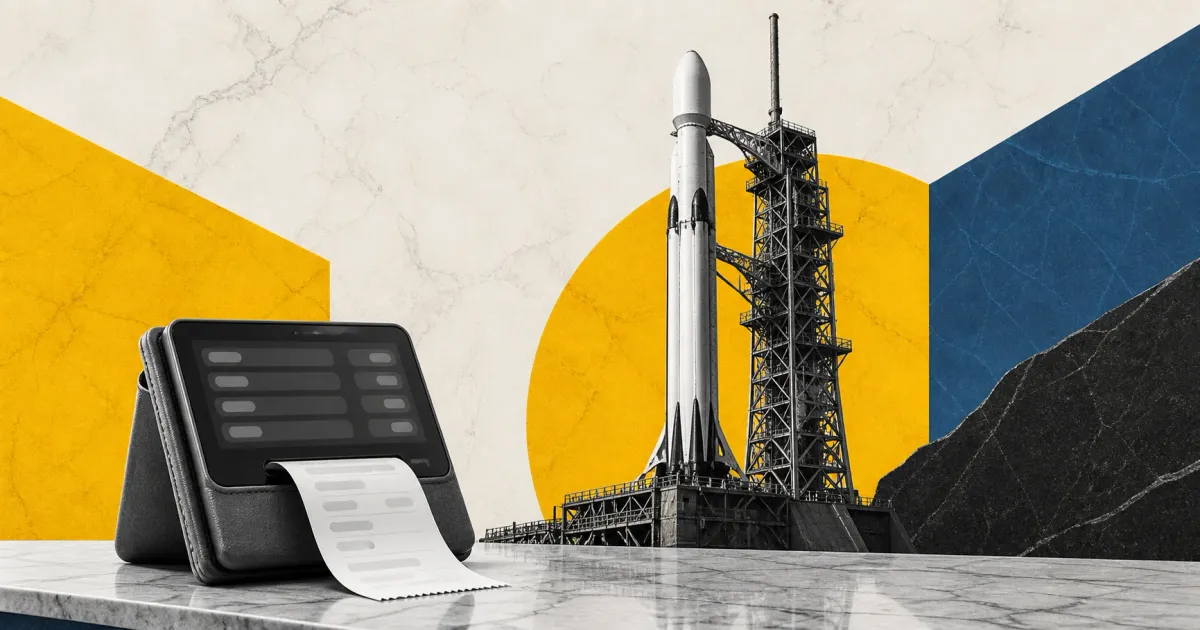
Binance Wallet and Bybit canceled tokenized SpaceX IPO allocation campaigns and moved to refund users after xStocks could not deliver enough underlying allocation, exposing a weak point in onchain stock access as bitcoin traded near $64,000.
The failure landed less than a day after crypto apps pitched SpaceX exposure as a way for eligible users to reach a record public listing through wallets and exchange accounts. The core issue was not blockchain settlement. It was the old securities-market problem of scarce IPO allocation meeting extreme demand.
Market snapshot: Binance said all locked USDC from its SPCXx campaign would be fully refunded, and that participants would share a $1 million SPCXB airdrop by June 18. Bybit said users would receive 100% refunds and an additional reward calculated at 10% APR over a fixed four-day period.
Bitget Wallet said its tokenized SpaceX IPO subscription closed 4x oversubscribed in 30 minutes, expanding from an initial $3 million allocation to $13 million. Business Insider reported SpaceX priced at $135 a share and raised $75 billion in the largest IPO on record.
Bybit put the problem plainly, saying xStocks could not deliver the underlying assets and that Bybit “did not receive any allocation.”
The episode reverses the promise that drove the earlier launch story. Daily Crypto Briefs covered how Binance put SpaceX IPO access into a crypto wallet, but the follow-through shows the difference between taking user commitments and receiving enough securities-linked allocation to satisfy them.
For tokenized stocks, the practical implication is trust in the wrapper. A token can settle onchain, trade outside market hours and move between supported platforms, but it still depends on an issuer, a custodian, a broker path, jurisdictional limits and a supply of underlying shares or share-backed claims.

Bitcoin
BTCBinance and Bybit Refund SpaceX IPO Users
Binance Wallet described the cancellation as a campaign that could not proceed because of circumstances outside its control. It said no action was required by users, with refunds processed back to the original payment method.
The exchange also tried to preserve the tradeable SpaceX wrapper story. Binance said participating users would equally share $1 million worth of SPCXB, a bStocks SpaceX token, and that the airdrop would be credited to Binance Spot accounts by June 18.
That compensation matters because it separates the failed pre-allocation campaign from the secondary-market product. Binance separately said it would open SPCXB/USDT spot trading at 17:00 UTC on June 12, with deposits and withdrawals scheduled to open on June 15 at 13:30 UTC.
Bybit’s notice was more direct about the missing allocation. It said xStocks’ inability to deliver underlying assets meant Bybit received no allocation, so no subscribed SpaceX allocations would be issued to subscribed users.
Refund mechanics can limit immediate losses, but they do not make the product equivalent to a traditional share allocation. Users who committed capital for one of the most searched IPOs of the year ended up with returned funds, not SpaceX exposure at the offer price.
xStocks Shortfall Tests Tokenized Shares
The shortage hit a product category that has been growing quickly. Tokenized stocks promise always-on access, lower minimums and cross-platform portability, but the SpaceX case shows the hardest part is not minting a token after a share exists. It is proving the token issuer can source enough underlying exposure when demand spikes.
Kraken’s own materials laid out that risk before the shortfall. Its SpaceX IPO Access page said allocation is decided by the underwriter, not Kraken, and that users could receive a full allocation, a partial allocation or no allocation.
In its launch post, Kraken said eligible customers could submit non-binding interest for SPCXx, a 1:1 backed tokenized representation of SpaceX equity. The same post said xStocks provide price exposure only and do not carry voting or dividend rights.
Those limits are easy to miss during a hot IPO. A user sees a familiar ticker, a wallet flow and an onchain token, but the claim sits inside securities terms, geographic restrictions and allocation rules that look much closer to brokerage plumbing than spot crypto trading.
The comparison with derivatives is useful. Coinbase’s SpaceX pre-IPO perpetual futures gave eligible non-U.S. users synthetic exposure without share ownership. SPCXx and SPCXB are marketed as tokenized securities, but the cancellation shows that backed exposure still has an upstream bottleneck when the share supply is not delivered.
SPCXB Trading Keeps SpaceX Bet Alive
Binance’s SPCXB listing means the SpaceX token story did not end with the canceled SPCXx campaign. It shifted from attempted IPO allocation into secondary trading of a bStocks tokenized security for eligible users in supported jurisdictions.
That shift is important for market structure. Binance’s disclaimer says bStocks are not stocks or shares, do not allow holders to directly own the underlying listed company, and carry risks including liquidity, issuer, custody, broker, operational, technology, regulatory and tax risks.
For readers who have followed the broader tokenized stocks market, the SpaceX episode is a live stress test. The sector can advertise 24/7 access, but the most important questions remain custody, redemption, rights, issuer risk and whether token prices track the underlying asset when markets are crowded.
The failed campaign also lands while crypto sentiment is still fragile.
Fear & Greed Index
June 13, 2026Extreme fear does not stop demand for a famous IPO, but it reduces tolerance for vague product mechanics. If tokenized securities are going to move beyond novelty, users need to know what is guaranteed, what is only conditional and what happens when an issuer or partner fails to secure allocation.
The next items to watch are specific: whether Binance completes the SPCXB airdrop by June 18, whether Bybit’s extra reward is credited as described, how SPCXB trades once deposits and withdrawals open on June 15, and whether xStocks or participating exchanges publish more detail about the allocation shortfall.
Stay up to date
Get the latest crypto insights delivered to your inbox
Primary sources and further reading
| Source | Title |
|---|---|
| | Bybit: Important update on the SpaceX IPO offering |
| | Binance: SPCXx IPO campaign cancellation and next steps |
| | Binance: SPCXB listing on Binance Spot |
| | Kraken Support: SpaceX IPO Access on Kraken via xStocks |
| | Kraken Blog: SpaceX IPO access now available via xStocks |
| | Bitget Wallet: $13M in tokenized SpaceX IPO subscriptions |
| | Business Insider: SpaceX IPO live updates |
| | CoinMarketCap: Bitcoin price |
| | Alternative.me: Crypto Fear and Greed Index |
Fact-checked by: Daily Crypto Briefs Fact-Check Desk
Related Articles


Frequently Asked Questions
Why were tokenized SpaceX IPO users refunded?
Bybit said xStocks could not deliver the underlying assets and that Bybit received no allocation. Binance Wallet separately said it could not proceed with the SPCXx campaign because of circumstances outside its control.
Will Binance Wallet SPCXx users get their USDC back?
Yes. Binance said all locked USDC from participating users would be fully refunded to Binance Wallet via the original payment method.
What did Bybit offer affected SpaceX IPO subscribers?
Bybit said subscribed funds would be automatically refunded and eligible participants would receive an additional reward calculated at 10% APR over a fixed four-day period.
Is SPCXB the same as owning SpaceX shares?
No. Binance says bStocks tokenized securities are not direct ownership of the underlying shares and carry issuer, custody, liquidity, operational and regulatory risks.
Why does the SpaceX tokenized IPO shortfall matter?
It shows that onchain access can still fail at the securities allocation layer when demand exceeds the underlying shares available to tokenized-product partners.