 Daily Crypto Briefs




MINNEAPOLIS, June 19, 2026
Two Texas brothers pleaded guilty after admitting they held a Minnesota family at gunpoint for more than eight hours and forced the transfer of over $8 million in cryptocurrency.
Isiah Angelo Garcia, 25, and Raymond Christian Garcia, 24, each entered a guilty plea Thursday to one federal count of interference with commerce by robbery. The brothers agreed to pay more than $8 million in restitution and each faces up to 20 years in prison.
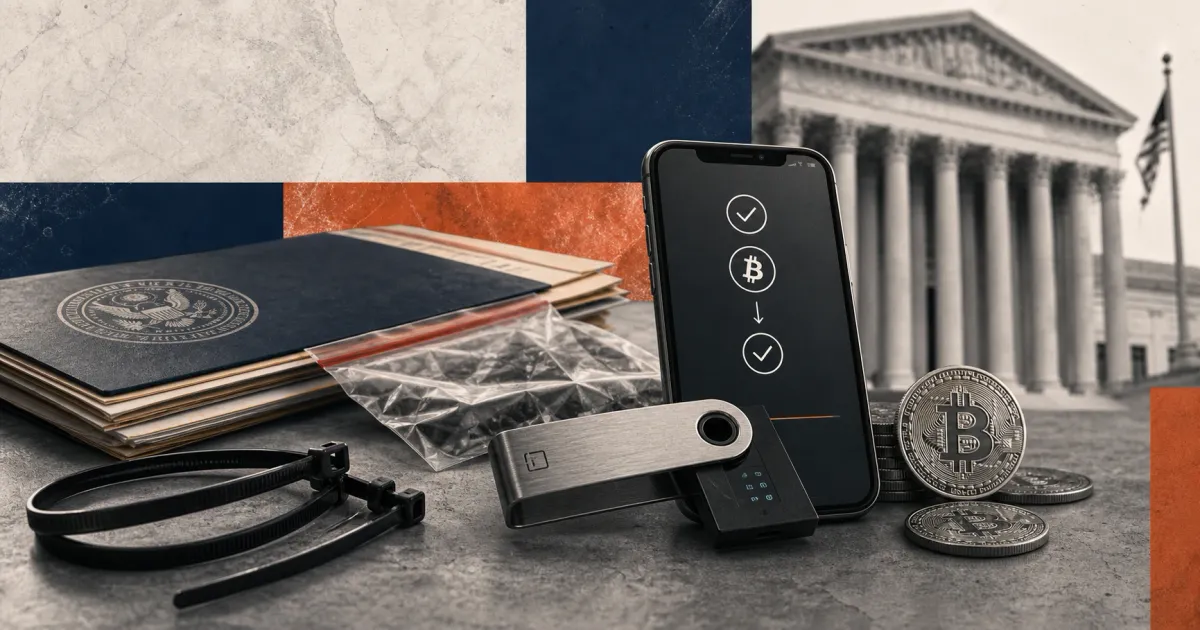
The case turns a September 2025 home invasion into a final admission of criminal responsibility. Prosecutors said the defendants traveled from Waller, Texas, to Grant, Minnesota, zip-tied three family members and used firearms to obtain access to online accounts and offline cryptocurrency storage.
Bitcoin traded near $63,000 on June 19, about 18% below its May 20 level near $76,809. The market value of the crypto taken in the robbery was equal to roughly 127 BTC at Friday’s price, although the Justice Department did not identify the assets transferred or disclose how much has been recovered.
The U.S. Attorney’s Office for the District of Minnesota said both defendants admitted using firearms to threaten the victims and facilitate the robbery. Sentencing hearings will be set later.
The guilty pleas arrive as crypto security increasingly extends beyond hacked contracts and stolen passwords. Digital assets can be moved quickly and self-custody can remove an exchange’s withdrawal controls, but those features can make a known holder a target for physical coercion.

Bitcoin
BTCGarcia Brothers Admit the $8M Crypto Robbery
The brothers appeared before U.S. District Judge Ann D. Montgomery in Minneapolis. Their guilty pleas replaced the uncertainty attached to the original allegations with admissions that they crossed state lines to execute the scheme and used guns during the robbery.
According to the Justice Department’s original charging account, the attack began at about 7:45 a.m. on September 19, 2025, when the victim went outside to move a garbage can. The brothers confronted him with an AR-15-style rifle and a shotgun, bound his hands and took him back into the house.
They woke the victim’s wife and adult son, tied their hands and forced them onto the floor. Raymond Garcia remained at the home with the rifle while Isiah Garcia demanded access to the victim’s cryptocurrency accounts.
The charging release said the brothers repeatedly communicated with an unknown third party who appeared to provide information about the victim’s accounts and transfers. The guilty-plea announcement did not identify that person, say whether anyone else will be charged or explain how the victim was selected.
When the defendants learned more funds were stored on a hard drive-style wallet at a family cabin, Isiah Garcia forced the victim into a truck and drove about three hours north. Prosecutors said the victim retrieved additional storage devices and transferred the assets while the other two family members remained captive.
That distinction is central to the security risk. A hardware wallet can keep private keys away from malware and a compromised browser, but it cannot prevent a transfer when an owner is forced to unlock the device and approve it.
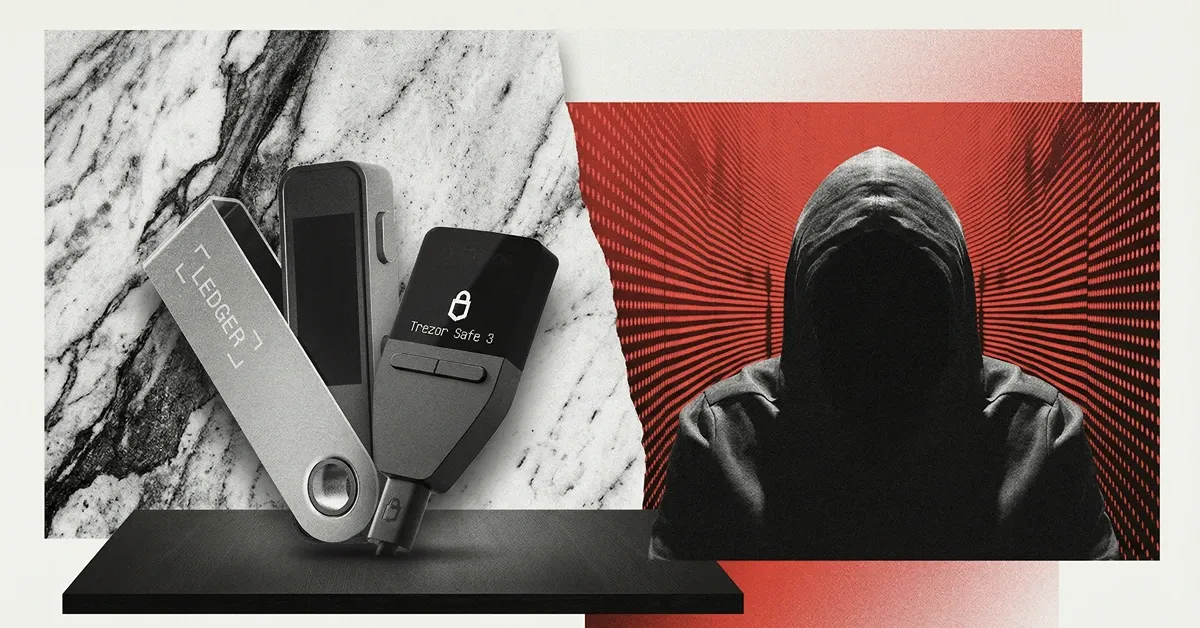
Daily Crypto Briefs previously reported how attackers can extract wallet access through a technical break of older Trezor hardware. The Minnesota case involved a different failure point: direct control over the person authorized to move the funds.
Nine-Hour Kidnapping Targeted Wallet Access
The victim’s son called 911 after Raymond Garcia briefly left the house. Deputies found the wife and son still zip-tied, while the defendants fled and left evidence behind.
Investigators recovered a suitcase in a tree line containing a disassembled rifle, ammunition, clothing and beverages. A Wendy’s receipt helped law enforcement trace a rented Chevrolet to Texas, while motel surveillance and roadway cameras tracked the brothers’ movements, according to prosecutors.
The Garcias were arrested near Houston on September 22, three days after the robbery. The original release said Isiah Garcia confessed after the arrests and described the drive to Minnesota, the firearms, the restraints and the trip to the cabin.
The physical attack bypassed many controls designed for remote theft. There was no need to exploit a smart contract, compromise an exchange or trick the victim into installing a fake wallet if the owner could instead be forced to authenticate the transfers.
Chainalysis warned in its 2025 crypto crime mid-year update that physical violence or coercion against crypto holders appeared correlated with bitcoin price movements, suggesting opportunistic targeting during high-value periods.
The practical defense is layered rather than purely technical. Holders can limit public disclosure, separate daily wallets from long-term reserves, avoid storing recovery material at the same location, use transaction limits where available and establish an emergency plan with family members.
Those measures complement protection against the more common digital threats covered in Daily Crypto Briefs’ report on fake Ledger and Trezor wallet software. Neither approach eliminates risk, but separating identity, location and signing authority can reduce the value available through one compromised device or one coerced person.
Sentencing Will Test the 20-Year Maximum
Each brother pleaded guilty to interference with commerce by robbery, a federal offense commonly called Hobbs Act robbery. The maximum sentence is 20 years, but the final prison terms will depend on federal sentencing rules, the plea agreements and Judge Montgomery’s findings.
The defendants also agreed to restitution above $8 million. Restitution creates a legal obligation to repay victims, but it does not guarantee that the full amount is currently available or will be collected. Prosecutors did not disclose the present location of the transferred assets.
The case remains important for crypto investigations because blockchain transfers can create a traceable record even when the robbery itself is physical. Investigators can follow identified wallet movements, but recovery becomes harder if assets are exchanged, bridged, laundered through intermediaries or moved beyond reachable jurisdictions.
The FBI and Washington County Sheriff’s Office investigated the case. U.S. Attorney Daniel Rosen said the pleas reflected a unified response to violence carried out for financial gain, while the FBI said home invasions and kidnappings leave lasting effects beyond the stolen property.
The broader market remained defensive as the pleas were reported. Alternative.me’s Crypto Fear and Greed Index stood at 15, classified as Extreme Fear, on June 19.
Fear & Greed Index
June 19, 2026Sentencing dates, the final restitution order, asset-recovery figures and the status of the unidentified third party remain unresolved. Those disclosures will determine whether the guilty pleas close the financial side of the case or leave a larger network and substantial missing funds for investigators to pursue.
Stay up to date
Get the latest crypto insights delivered to your inbox
Primary sources and further reading
| Source | Title |
|---|---|
| | U.S. Attorney's Office: Brothers plead guilty in 8 million dollar crypto kidnapping case |
| | U.S. Attorney's Office: Original armed crypto kidnapping charges |
| | Chainalysis: 2025 crypto crime mid-year update |
| | CoinGecko: Bitcoin price and market data |
| | Alternative.me: Crypto Fear and Greed Index |
Fact-checked by: Daily Crypto Briefs Fact-Check Desk
Related Articles



Frequently Asked Questions
Who pleaded guilty in the 8 million dollar crypto kidnapping case?
Isiah Angelo Garcia, 25, and Raymond Christian Garcia, 24, both of Waller, Texas, pleaded guilty in federal court in Minnesota.
How much cryptocurrency was stolen?
The Justice Department said the brothers forced the victim to transfer more than 8 million dollars in cryptocurrency during the robbery.
What charge did the Garcia brothers plead guilty to?
Each brother pleaded guilty to one count of interference with commerce by robbery, commonly prosecuted under the federal Hobbs Act.
How long was the family held hostage?
Federal prosecutors said the family was zip-tied and held at gunpoint for more than eight hours. The original charging release described the ordeal as lasting nine hours.
What sentence do the defendants face?
Each defendant faces a maximum of 20 years in federal prison. Sentencing hearings had not been scheduled when the guilty pleas were announced.
Can a hardware wallet prevent a physical crypto robbery?
A hardware wallet can reduce online key theft, but it cannot by itself stop an attacker from coercing the owner to unlock a device or sign a transfer. Physical privacy and separated access controls remain important.