 Daily Crypto Briefs




LONDON, July 18, 2026
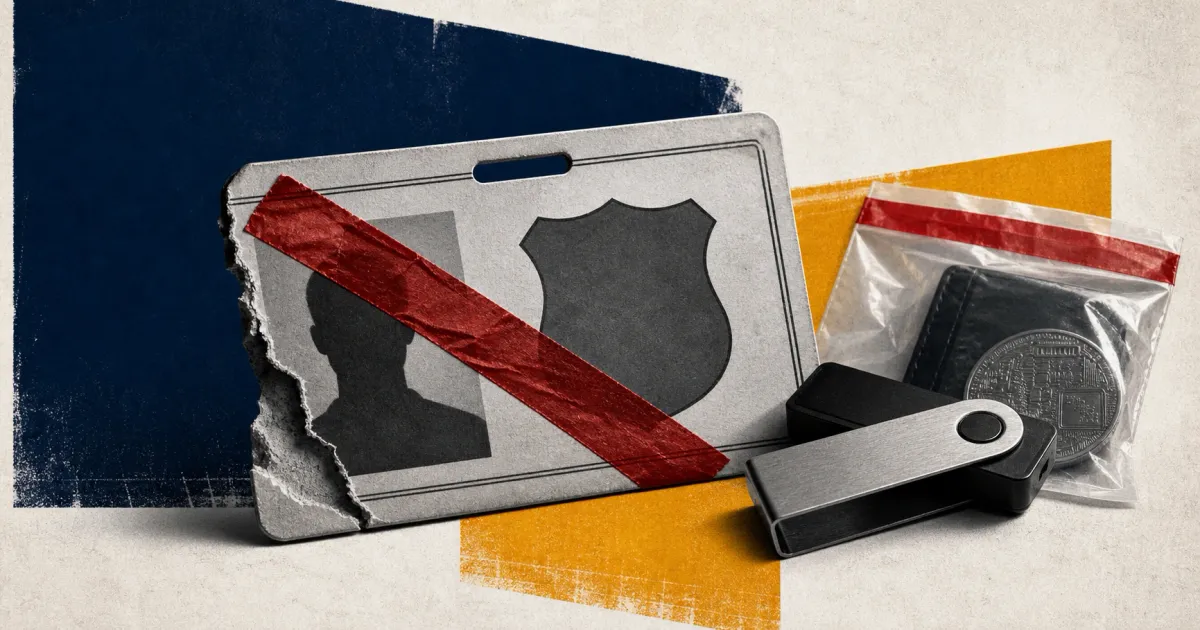
Three men were jailed in London after the Metropolitan Police said they posed as officers, used fake police websites and stole more than £4 million in cryptocurrency from eight victims, with about £1 million in victim-linked funds recovered in the investigation.
The sentences, issued at Southwark Crown Court on July 16, close a criminal case that began after victims reported the fraud in January 2025. They do not establish that every stolen asset has been recovered, and the Met said it is still pursuing connected individuals and proceeds.
Bitcoin traded near $63,958 on July 18, according to CoinGecko, with a market value of about $1.28 trillion and 24-hour volume near $25.1 billion. The wider crypto market was still cautious: Alternative.me’s Crypto Fear and Greed Index was 25, classified as Extreme Fear.
In its conviction announcement, the Met said the men persuaded victims their holdings were endangered and directed them to what appeared to be secure police accounts. The cryptocurrency was instead stolen and moved through a complex financial network.
Detective Inspector Geoff Donoghue of the Met’s Cryptocurrency Team said the defendants had exploited victims’ trust by pretending to be officers, while investigators traced millions of pounds through blockchain records, communications, financial records, exchange data and internet-service-provider information.

Bitcoin
BTCThree Men Jailed Over £4M Crypto Police Scam
The Met said Anthony Ikenwe, 29, and Kevin Nwamma, 25, were each given six years for conspiracy to defraud and five years for money laundering, with the terms running concurrently. Hamza Bashir, 23, received three years and nine months for conspiracy to defraud and three years for money laundering, also concurrent.
According to police, the group contacted victims by telephone, claimed to be police officers and said cryptocurrency held by the targets was at risk. Victims were then induced to hand over account details or transfer holdings to accounts they believed police controlled.
The operation relied on more than a phone call. Investigators said the group built convincing-looking police websites, then used aliases, telephone numbers, websites, wallets and spending patterns to connect offences that initially appeared separate. The Met said the proceeds were immediately laundered after theft.
Officers executed coordinated warrants at seven addresses in London and Essex on November 20, 2025, seizing 40 mobile phones, luxury goods and crypto assets. Police said the devices and computers supplied extensive evidence, while roughly £1 million in crypto was directly linked to victim funds.
The matter is distinct from an unauthorized-wallet exploit or an exchange hack. The alleged entry point was social engineering, where a criminal gains control by persuading a person to act. That method can defeat a hardware wallet or other secure device if the owner is convinced to approve a transfer or disclose access information.
Fake Police Websites Turned Trust Into Stolen Crypto
The Met said Ikenwe and Nwamma pleaded guilty in April to conspiracy to defraud and money-laundering offences. Bashir initially denied involvement but changed his plea during the eighth day of trial after being presented with evidence, according to the force.
Police reported that the defendants’ spending did not match their stated income. One had recorded income of £444 a year, while the investigation identified a car worth almost £60,000 bought with crypto, about £500,000 in cash in a Dubai safety-deposit box and more than £26,000 in luxury goods recovered during searches.
Those figures are investigative findings, not a full accounting of the victims’ losses or a guarantee of restitution. The Met said financial records showed criminally linked crypto was routinely converted into payment cards, and it continues work to recover assets for victims.
The case gives concrete context to a UK fraud review’s call for judicial training on crypto money laundering. That review described the evidentiary burden created by complex, cross-border fraud; the Met’s account shows how wallet tracing, exchange records and communications can be assembled into a prosecution.
For recipients of unsolicited calls, the force’s courier-fraud guidance says impersonators may claim an account has been compromised and ask a target to move funds to a so-called safe account. A real agency does not need a resident’s seed phrase, private key, exchange password or transfer to a new wallet to secure an investigation.
Met Asset Recovery Leaves Victims With More to Watch
The roughly £1 million directly tied to victims is significant but below the more than £4 million police said was stolen. The public announcement does not identify the cryptocurrencies, the tokens’ values at theft, the destination of all remaining funds or a timetable for compensation.
That gap is familiar in crypto-fraud cases. An earlier Ghana-UK recovery effort showed how tracing and freezing can support restitution, but successful convictions and successful recovery are separate stages with different legal and practical barriers.
The Met said it will keep working with UK and international partners to identify additional conspirators and recover criminal assets for victims. The next material update will be whether further assets are restrained or returned, rather than a change in the prison terms already handed down.
The market backdrop does not alter the case, but it helps explain the continuing attention to custody and social-engineering risks. The Crypto Fear and Greed Index at 25 marked Extreme Fear on July 18, while fraudsters’ use of trusted institutions remains a risk in both weak and strong trading periods.
Fear & Greed Index
July 18, 2026Stay up to date
Get the latest crypto insights delivered to your inbox
Primary sources and further reading
| Source | Title |
|---|---|
| | Metropolitan Police conviction announcement |
| | Metropolitan Police courier-fraud guidance |
| | CoinGecko Bitcoin market data |
| | Alternative.me Crypto Fear and Greed Index |
Fact-checked by: Daily Crypto Briefs Fact-Check Desk
Related Articles



Frequently Asked Questions
Who was jailed in the UK police-impersonation crypto scam?
Anthony Ikenwe, Kevin Nwamma and Hamza Bashir were sentenced at Southwark Crown Court on July 16, 2026. Police said all three were part of a group that impersonated officers to steal cryptocurrency from eight victims.
How did the police-impersonation crypto scam work?
The Metropolitan Police said the group called victims, claimed their crypto was at risk and persuaded them to disclose account details or transfer funds to supposed secure police accounts. The group also created convincing fake police websites.
How much cryptocurrency did the UK scam steal?
Police said the conspiracy defrauded eight victims of more than 4 million pounds in cryptocurrency. Officers recovered about 1 million pounds directly linked to victim funds, while further recovery work continues.
Will real police ask someone to move crypto to a safe wallet?
No. The Metropolitan Police warns that fraudsters may impersonate police or bank staff and direct people to transfer money or cryptocurrency to a supposedly safe account. Verify contact through independently found official channels before acting.
Did police recover all of the stolen crypto?
No. The Met said it recovered approximately 1 million pounds directly linked to victim funds and continues to identify other people connected to the conspiracy and pursue criminal assets for victims.