 Daily Crypto Briefs



NEW YORK, July 4, 2026
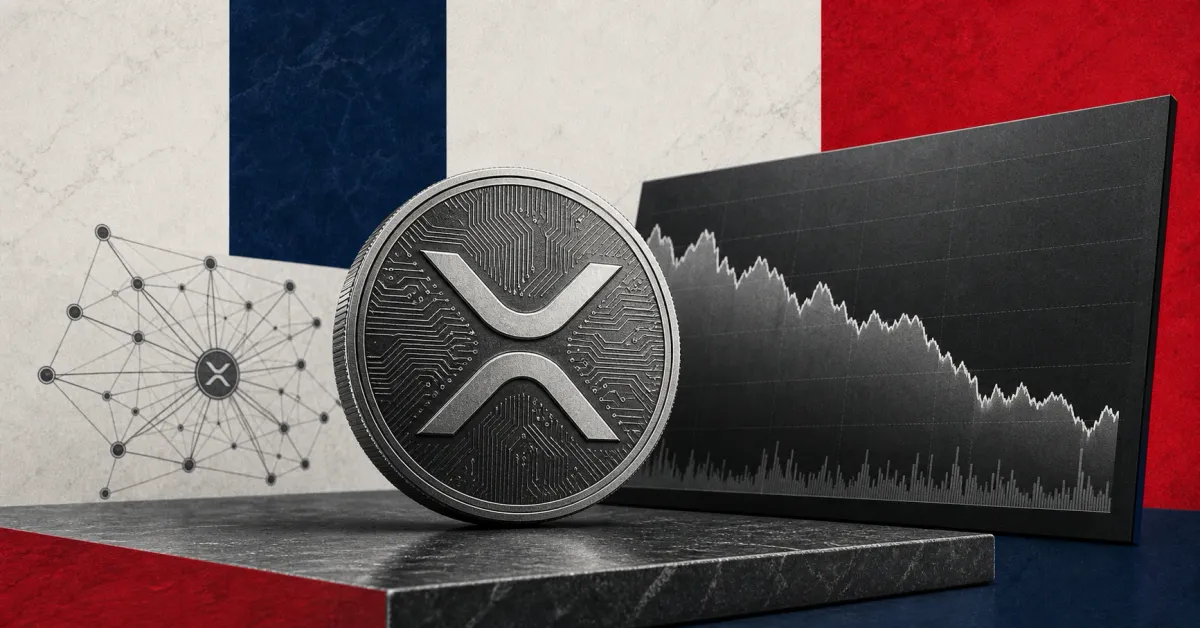
XRP holders are carrying their deepest unrealized losses on record by one on-chain measure, with Santiment showing 30-day and 365-day MVRV readings near historic lows even as XRP rebounded to about $1.16.
The signal comes from market value to realized value, or MVRV, an on-chain ratio that compares current token value with the price level at which supply last moved. A negative reading means the average holder in that lookback window is sitting on a paper loss.
Market snapshot: CoinMarketCap showed XRP at about $1.16 on July 4, up 2.98% over 24 hours, with a market value near $72.46 billion and 24-hour trading volume near $1.82 billion. Alternative.me showed the broader Crypto Fear and Greed Index at 22, or Extreme Fear.

XRP
XRPSantiment said XRP’s 30-day MVRV was -45% and its 365-day MVRV was -47%. The analytics firm said the combined reading was the lowest it had recorded across roughly 12 years of XRP trading history.
The timing gives the signal better search value than a simple price bounce. XRP is rising while many holders remain underwater, creating a tension between capitulation data and fresh demand that traders can monitor without treating the metric as a prediction.
The setup follows several Ripple-linked utility headlines, including Daily Crypto Briefs coverage of Ripple opening x402 AI payments to XRP and RLUSD. Those product narratives can help attention, but the current Santiment signal is about holder profitability and market structure.
The immediate implication is seller exhaustion risk. If many holders are already deep in losses, forced selling can slow, but the same condition can also reflect a market that has not yet rebuilt enough demand to clear overhead supply.
What remains unknown is whether the July bounce is a durable accumulation phase or another relief move inside a weak crypto tape. The next checks are XRP’s hold above the low-$1 area, Bitcoin’s stability near $60,000 and whether new XRP demand appears outside short-term trading.
XRP MVRV Hits Historic Lows
Santiment’s data centers on two windows. The 30-day MVRV captures recent buyers, while the 365-day MVRV captures holders who bought or moved XRP across a full year of trading.
Both groups are deeply underwater. A -45% 30-day reading implies recent XRP buyers, on average, are holding large unrealized losses. A -47% one-year reading means the stress extends beyond short-term traders.
That combination is what makes the signal notable. A single negative reading can occur during normal volatility. Two deeply negative readings across different time frames point to a broader repricing of the holder base.
CoinDesk reported that the depressed MVRV readings came as XRP climbed about 8% over the week. The outlet described the metric as a measure of how far holders are underwater and cited Santiment’s view that XRP had not shown lower combined readings before.
There is a useful limit to the signal. MVRV can show capitulation pressure, but it does not identify the exact day sellers run out. A market can stay undervalued by this metric while liquidity stays thin or macro pressure remains high.
For XRP, that distinction matters because the token often trades on a mix of crypto beta, Ripple-related headlines, exchange liquidity and retail momentum. On-chain loss data can improve the read, but it does not replace spot demand.
XRP Bounce Tests Capitulation Signal
The price action is now testing whether the loss signal is being absorbed. CoinDesk’s July 4 report said XRP had climbed about 8% over the week despite the negative MVRV backdrop, putting the token among the stronger large-cap crypto assets for the period.
That does not mean holders are suddenly profitable again. It means buyers stepped in while average entry prices across recent and one-year windows remained far above the market.
This is the classic tension in capitulation setups. The worst average holder returns often appear after a large decline, but the market still needs new buying, short covering or reduced sell pressure to turn those losses into a tradable rebound.
Daily Crypto Briefs saw a similar market-structure problem in Bitcoin this week, when 49,000 BTC moved to exchanges even as spot ETF inflows improved. XRP’s setup is not the same, but both stories show why on-chain signals need to be read beside actual flows.
For traders, the $1.10 to $1.20 band is now the first practical test. Holding that area would support the argument that deep holder losses have already forced out much of the weak supply. Losing it would make the MVRV signal look more like stress data than a turn signal.
The broader market is still fragile. Crypto sentiment remains in Extreme Fear, and Bitcoin’s attempt to stabilize near $60,000 has not erased the pressure from June’s ETF outflows and liquidation waves.
Ripple Narrative Still Needs Demand
XRP is not trading in a vacuum. Its market story is tied to the XRP Ledger, Ripple payment products, RLUSD stablecoin expansion and institutional access to XRP-linked products.
XRPL.org describes XRP as the native asset of the XRP Ledger, used for fees, liquidity and settlement across the network. That gives the token a cleaner utility story than many older altcoins, but utility narratives still need measurable transaction and liquidity demand.
Ripple’s product cycle has been active. Daily Crypto Briefs covered RLUSD moving across 40-plus chains through Wormhole, a distribution push that can broaden Ripple’s dollar settlement reach. That stablecoin growth can support the broader ecosystem, but it can also shift some payment demand toward a dollar asset rather than volatile XRP.
The same tension applies to XRP’s macro comparisons. Our research on silver and XRP correlation found the token’s daily returns were unstable across regimes, which is another reminder that XRP often follows crypto-specific catalysts more than a simple macro hedge story.
For now, Santiment’s MVRV signal is best read as a holder-pain extreme. It shows that many buyers have already absorbed large losses, not that future gains are assured.
Fear & Greed Index
July 4, 2026The next useful evidence is concrete: XRP spot volume, exchange order-book depth, large-wallet behavior, Ripple-linked transaction data and whether the token can hold its weekly rebound while broader crypto sentiment remains fearful.
Stay up to date
Get the latest crypto insights delivered to your inbox
Primary sources and further reading
| Source | Title |
|---|---|
| | Santiment: XRP Ledger MVRV data |
| | CoinDesk: XRP holder losses and MVRV |
| | CoinMarketCap: XRP price |
| | XRPL.org: XRP overview |
| | Alternative.me: Crypto Fear and Greed Index |
Fact-checked by: Daily Crypto Briefs Fact-Check Desk
Related Articles



Frequently Asked Questions
What happened to XRP's MVRV readings?
Santiment said XRP's 30-day MVRV was near -45% and its 365-day MVRV was near -47%, the weakest combined average-return reading it has recorded for XRP.
What does MVRV mean?
MVRV, or market value to realized value, compares the current market value of a token with the value implied by where coins last moved. Negative readings suggest the average holder in that window is underwater.
Does record-low XRP MVRV mean XRP has bottomed?
No. It shows unusually deep unrealized losses among holders. Santiment said the setup can improve risk-reward, but XRP can still fall if the broader market weakens.
How much is XRP trading for now?
CoinMarketCap showed XRP near $1.16 on July 4, 2026, up about 3% over 24 hours, with market capitalization near $72.46 billion when checked by Daily Crypto Briefs.
What should XRP traders watch next?
Watch whether XRP holds the $1.10 to $1.20 range, whether crypto sentiment improves, and whether Ripple-related payment, RLUSD and XRP Ledger activity turns into measurable demand.