 Daily Crypto Briefs




LUBBOCK, Texas, July 19, 2026
Galaxy Digital will rename the home of Texas Tech football as Galaxy Stadium from the 2026 season under a 15-year deal that makes the crypto and AI-infrastructure company the athletics department’s official data center and digital assets partner.
Galaxy and Texas Tech Athletics announced the agreement July 17. The Red Raiders are scheduled to play their first game under the new name against Abilene Christian on Sept. 5. Neither party disclosed the price, although local public radio station KTTZ reported a $75 million value.
The agreement reaches beyond a stadium sign. Galaxy will appear across football and men’s and women’s basketball programming, participate in branded name, image and likeness campaigns, and explore AI research, workforce development and commercial projects with the university. It does not announce a crypto payment option, fan token, exchange service or direct investment in student-athletes.
The market context was guarded. Bitcoin traded near $63,957 on July 18, with roughly $26.2 billion in 24-hour volume, while Alternative.me’s Crypto Fear and Greed Index stood at 25, or Extreme Fear. Galaxy’s latest public operating figures show a $9 billion asset platform, more than 1,600 institutional trading counterparties and a 1.6-gigawatt approved data-center campus in nearby Dickens County.
The new sponsor is a familiar name to institutional crypto readers. A day before the stadium agreement, Daily Crypto Briefs reported that Galaxy opened Morpho vault strategies to Fireblocks institutions. Texas Tech’s arrangement instead puts the company in front of a broad college-sports audience while linking the brand to the West Texas infrastructure it is already building.

Bitcoin
BTCGalaxy Stadium Starts With the 2026 Season
Texas Tech said the new name takes effect with the 2026 football season, when the school opens at home on Sept. 5. The facility had carried the Jones name for nearly eight decades, and the university said it would later detail how it will continue to honor original namesake Clifford B. Jones.
The 15-year term gives the deal a longer horizon than a conventional one-season marketing campaign. Athletic director Kirby Hocutt called it a lasting partnership for Texas Tech, while Galaxy founder and Chief Executive Mike Novogratz said the company wanted to build alongside the university and the surrounding community over the long term.
Financial terms remain an important limitation. The two organizations did not state a total payment, annual fee, revenue share, renewal option or a schedule for the payments. KTTZ’s $75 million figure is a reported valuation, not a figure that Galaxy or Texas Tech included in their releases.
The distinction is useful because the agreement combines several types of activity. A naming-rights deal can put a brand above a stadium entrance. The wider partnership also covers media visibility, NIL content and potential academic and commercial work. The confirmed announcements do not specify how many athletes will participate, what any individual NIL arrangement could pay, or how much of the broader relationship will become a funded project.
For Galaxy, the stadium provides a public-facing extension of a business that is usually discussed through trading desks, custody technology, tokenization and data centers. That crossover follows other efforts to attach crypto brands to mainstream events, including Kraken’s World Cup exchange partnership, although Texas Tech’s agreement is a university-focused regional sponsorship rather than a trading promotion.
Texas Tech Deal Links Digital Assets to Helios Campus
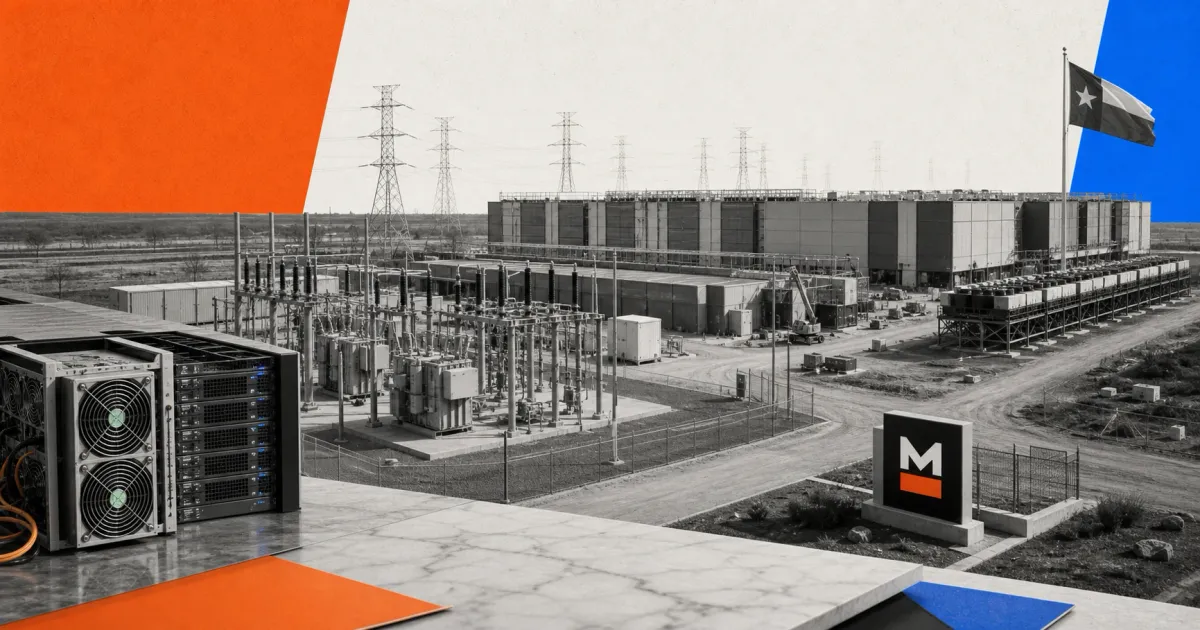
Galaxy’s principal West Texas asset is Helios, its data-center campus in Dickens County, about 60 miles east of Lubbock. The company says the site has 1.6 gigawatts of approved capacity for high-performance computing and uses a closed-loop water system. Texas Tech said graduates already work at the campus and that the partnership is meant to expand that local talent pipeline.
The naming deal comes shortly after Galaxy delivered Helios Phase I to CoreWeave. Galaxy said the phase delivered about 200 megawatts of gross power, or 133 megawatts of critical IT load, under a 15-year lease that began generating rent in the second quarter. That data-center milestone is separate from the Texas Tech sponsorship, but it explains why the company has a visible economic stake in the region.
Galaxy described the university relationship as an exploration of potential AI applications, research, workforce development and economic investment. Those are plans, not completed AI deployments or a blockchain program at the university. Neither announcement names a research grant, an academic course, a technology vendor or a timetable for the potential projects.
The digital-assets designation is also narrower than it may sound in a stadium setting. It identifies Galaxy as an official athletics partner and brings the firm’s brand into fan communications. It does not make the university an issuer of digital assets, establish a Bitcoin treasury, create a tokenized-ticket system or give fans a new product to trade.
What Galaxy’s Sports Sponsorship Does and Does Not Cover
For Texas Tech, the immediate operational change is a new stadium identity and a long-term commercial partner. For Galaxy, it adds mainstream visibility in a state where it is investing in power-intensive AI infrastructure and maintains its roots in digital assets.
The partnership may also help Galaxy recruit locally and explain a complex business to a non-financial audience. A football-stadium agreement can expose a company to students, alumni and fans who are unlikely to encounter an institutional trading or staking platform. That is a branding inference from the deal’s reach, not a promise from either organization that it will produce new customers.
It does not change the risk profile of crypto markets or Galaxy’s institutional products. Bitcoin’s 25 reading on the broad fear-and-greed measure shows that a high-visibility sponsorship is unfolding against cautious market conditions, while the company’s data-center expansion faces its own construction, power, tenant and execution considerations.
Fear & Greed Index
July 19, 2026The next verifiable milestones are the Sept. 5 opener, Texas Tech’s planned in-season partnership celebration, any disclosed NIL campaigns and concrete university projects related to AI or workforce development. Until then, the confirmed development is a 15-year stadium naming and regional-partnership agreement, not a new crypto consumer service.
Stay up to date
Get the latest crypto insights delivered to your inbox
Primary sources and further reading
| Source | Title |
|---|---|
| | Galaxy: Texas Tech naming rights agreement |
| | Texas Tech Athletics: Galaxy Stadium agreement |
| | Galaxy: Helios Phase I delivery to CoreWeave |
| | KTTZ: reported value of Galaxy stadium agreement |
| | CoinGecko: Bitcoin market data |
| | Alternative.me: Crypto Fear and Greed Index |
Fact-checked by: Daily Crypto Briefs Fact-Check Desk
Related Articles

Frequently Asked Questions
What is Galaxy Stadium?
Galaxy Stadium is the new name Texas Tech will use for the home of Red Raider Football from the 2026 season under a 15-year agreement with Galaxy Digital.
How long is Galaxy's Texas Tech stadium deal?
Galaxy and Texas Tech said the naming rights agreement runs for 15 years.
How much is Galaxy paying Texas Tech?
Galaxy and Texas Tech did not disclose the financial terms in their announcements. KTTZ reported that the agreement is valued at $75 million.
Does the Galaxy Stadium deal let fans pay with crypto?
No crypto payment or token program was announced. The agreement makes Galaxy the department's data center and digital assets partner and includes branding, NIL opportunities and potential digital-innovation work.
What is Galaxy's Helios campus near Texas Tech?
Helios is Galaxy's West Texas data center campus in Dickens County, about 60 miles from Lubbock. Galaxy says it has 1.6 gigawatts of approved capacity for high-performance computing.