 Daily Crypto Briefs


PARIS, October 15, 2026
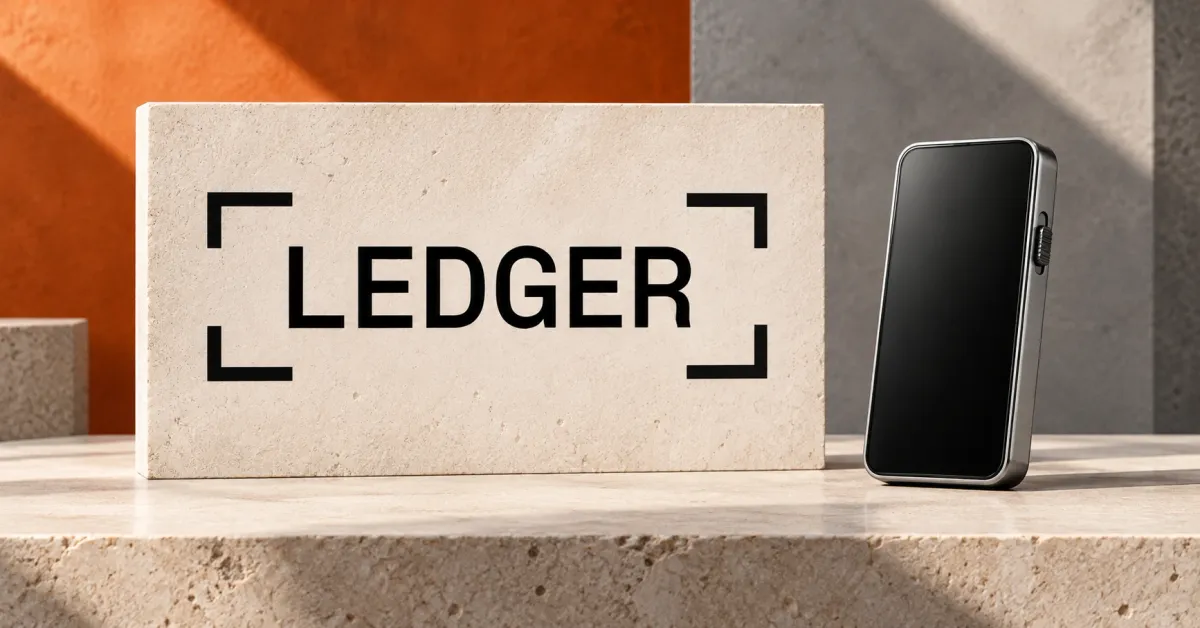
Ledger unveiled its $849 Atom connected security device Thursday with refundable $100 reservations, expanding beyond standalone crypto signers into everyday apps as Bitcoin traded through a weaker market.
The October 15 announcement at Ledger Op3n in Paris combines a mobile app environment with separate hardware for approving sensitive actions. Despite its phone-shaped design, Atom cannot make cellular calls or send SMS, a limitation that changes what buyers can expect it to replace.
ChartExchange’s composite history showed Bitcoin closing October 14 at $81,566.29, down 1.848%, after trading between $81,000 and $84,209. Those completed-session figures provide broader market context, rather than evidence of a reaction to Thursday’s product announcement.
Chief Executive Pascal Gauthier described Atom as a Ledger signer that runs everyday apps. His announcement offers the Founders Edition reservation price while warning that customers are reserving a device still under development, with specifications and pricing subject to change.
The move follows Ledger’s October 7 wallet update, which added stablecoin borrowing against wrapped Bitcoin through Morpho and Yield.xyz. Atom moves the app and signer onto one device; the earlier Bitcoin-backed loan markets expanded what users could do through the existing wallet interface.

Bitcoin
BTCSource: ChartExchange. Selected daily closes across one month; the unfinished October 15 session is excluded.
Ledger Atom cannot replace cellular calling
Ledger’s product page describes a data-only device with 5G eSIM connectivity, Wi-Fi, Bluetooth, NFC and USB-C. Internet voice and video calls can run through third-party apps, but ordinary mobile-network calls, SMS and emergency calling are unsupported, even with cellular coverage.
That makes the distinction more consequential than a product label. A buyer relying on cellular voice service would still need another device. Running familiar apps does not establish that Atom can take over every function of an existing phone.
The listed hardware includes a 6.8-inch AMOLED display, a 50-megapixel camera and a 4,000mAh battery. Ledger describes the software as hardened Android Open Source Project alongside isolated Ledger OS. App availability remains dependent on certifications and licences, rather than an unconditional promise that every familiar app will ship.
The delivery language also needs care. The launch disclaimer estimates Q2 2027, while the store advertises summer 2027. Those descriptions leave a timing discrepancy; neither establishes a guaranteed shipping day. The reservation announcement says the estimate may change.
Ledger says the deposit is fully refundable, and the store allows cancellation before shipment. The $100 amount reserves access to the special $849 price; it is not the advertised full device price. Final commercial terms and the shipping confirmation will determine the completed purchase.
Atom separates everyday apps from signing
The technical whitepaper describes two environments sharing a screen. Standard Mode handles apps and connectivity; Secure Mode handles sensitive approvals through Ledger OS on separate hardware. Each side has its own secure chip and unlock mechanism.
A programmable hardware component between the app processor and display disconnects Standard Mode from the screen and touch panel during Secure Mode. Ledger OS then displays the request and receives the user’s confirmation directly. A reserved Secure Bar indicates which environment controls the interaction.
The practical distinction is between opening an app and granting it authority. Unlocking the everyday environment does not also unlock the signing environment. Ledger says even compromised app software should be unable to alter the secure display or inject approval touches. These remain manufacturer design claims ahead of delivery.
Ledger’s separate architecture explanation describes an active shield around Atom’s secure zone, intended to detect opening, probing or modification. It also distinguishes software authenticity checks from protection against a physical implant observing the screen. The published description does not establish an independently measured failure rate for finished retail units.
The separation also shapes what developers must build. Ledger says apps can request cryptographic operations through its platform, but running an everyday app does not automatically put its entire interface under Ledger OS. The store limits hardware security to selected built-in apps and partner apps that integrate with it. The Secure Bar is therefore relevant to identifying when the protected environment is actually active.
A physical privacy switch cuts camera and microphone power at the circuit level, Ledger says. That addresses those sensors; it should not be read as a claim that all activity inside every third-party app becomes private.
The Academy guide lists a 24-word recovery phrase, Ledger Recovery Key and optional Ledger Recover service as backup choices. It says ordinary app-side cloud backups do not include the signing seed. Recovery remains a separate setup decision alongside the convenience of an integrated device.
Ledger also calls Atom quantum-ready. Its guide describes a Secure Element that can be updated for post-quantum protocols as they are adopted. Hardware readiness does not itself migrate Bitcoin or Ethereum signatures. The same distinction between device claims and network compatibility arose with Freedom Factory’s PQ1 announcement.
Solana apps and AI approvals broaden Atom’s role
Solana Mobile’s partnership announcement says a preinstalled Seeker app will combine its wallet and dApp Store on Atom. It identifies Ledger as its first hardware expansion partner, extending a strategy opened to Android manufacturers in March.
Solana Mobile reports more than 1,500 store apps, 154 million Seeker transactions and over $13 billion in Seeker transaction volume. These are its ecosystem figures, not Atom adoption or sales. The partnership gives developers another planned distribution channel without establishing demand for the new device.
Ledger’s Agent Intent announcement adds a queue for approval requests from multiple AI agents. Users can review requests asynchronously while agents continue other work. The company demonstrated integrations including OpenClaw and says compatible existing signers can already use the service.
The announcement also describes user-defined rules and payment budgets that can permit activity without asking again each time. Hardware approval therefore needs to be understood alongside the scope of previously granted permissions. A secure confirmation cannot, by itself, determine whether an investment or delegated instruction is sensible.
In one example, Ledger describes an agent preparing an invoice payment for later approval; another permits small payments inside a budget the user defines. Those workflows illustrate different levels of delegation. A queued request still awaiting confirmation and a payment already authorized by policy should not be treated as the same event when assessing what control the owner retains over an agent’s activity.
Fear & Greed Index
October 15, 2026Alternative.me showed a neutral reading of 53, down from 62 the previous day, when checked at 15:05 UTC. It measures broad crypto sentiment, not the safety or demand for Atom.
The next milestones are confirmed app availability, final hardware and reservation terms, and a consistent delivery timetable. Until shipments begin, Atom’s announcement establishes a planned connected signer and reservation offer, with the performance of the finished device still to be assessed.
Stay up to date
Get the latest crypto insights delivered to your inbox
Primary sources and further reading
| Source | Title |
|---|---|
| | Ledger: October 15 Atom announcement and reservation disclaimer |
| | Ledger: Atom product specifications and cellular limitations |
| | Ledger Academy: Atom signing modes and recovery options |
| | Ledger: Atom technical whitepaper |
| | Ledger: Atom security architecture |
| | Solana Mobile: Ledger hardware expansion partnership |
| | Ledger: Agent Intent announcement |
| | Ledger: October 7 wallet release notes |
| | ChartExchange: Bitcoin composite historical prices |
| | Alternative.me: Crypto Fear and Greed Index |
Fact-checked by: Daily Crypto Briefs Fact-Check Desk
Related Articles

Frequently Asked Questions
How much does Ledger Atom cost?
Ledger announced a special $849 Founders Edition reservation price with a fully refundable $100 deposit. A reservation is not a purchase of a finished device, and the company says pricing may change before launch.
Is Ledger Atom a smartphone?
Ledger describes Atom as a data-only mobile security device. It runs apps and connects to cellular data, but cannot make cellular voice calls, send SMS or call emergency services. Third-party internet calling apps can use its data connection.
When will Ledger Atom ship?
Ledger's announcement disclaimer estimates Q2 2027, while its store advertises summer 2027. These descriptions do not establish a firm delivery date. Ledger says the estimate may change.
What does Ledger Atom Secure Mode do?
Ledger says Secure Mode physically disconnects the everyday app processor from the screen and touch panel during sensitive approvals. Ledger OS then controls what is displayed and confirmed. These are the manufacturer's design claims.
Will Ledger Atom include Solana apps?
Solana Mobile says a preinstalled Seeker app will combine its wallet and dApp Store on Atom. Ledger says final app availability depends on certifications and licences.