 Daily Crypto Briefs



RALEIGH, N.C., July 11, 2026
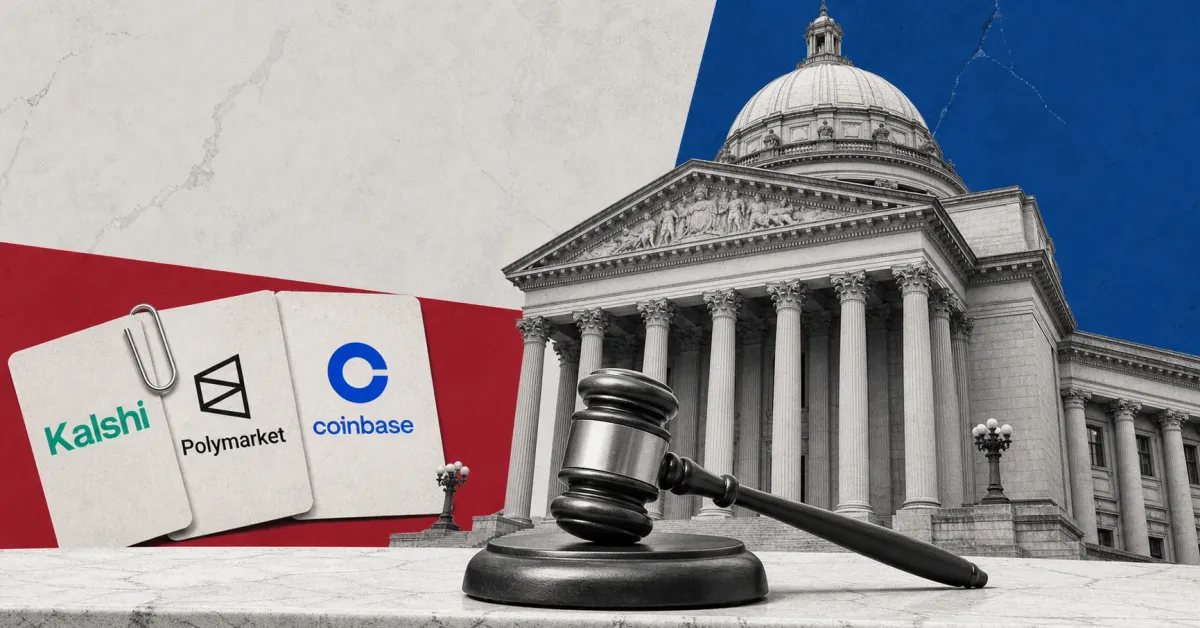
North Carolina has recognized federal Commodity Futures Trading Commission authority over prediction markets and set a 6% tax on the net trading-fee revenue that platforms earn from state residents, a new rule that gives Kalshi and Polymarket a clearer state-level lane beginning in 2027.
Gov. Josh Stein signed Senate Bill 257, the state’s 2026 budget law, on July 7. The legislation says that CFTC registration allows a prediction-market platform to operate lawfully in North Carolina and describes the Commodity Exchange Act as establishing “exclusive federal regulatory authority” over the products.
The tax starts January 1, 2027. It applies to net trading-fee revenue attributable to North Carolina residents, not to the full face value of each contract. The distinction matters for users: the law taxes the platform’s revenue after payouts rather than announcing a direct 6% charge on every position.
Bitcoin traded near $64,200 as the law reached broader attention on Friday, according to market data displayed by The Block. That price move did not appear tied to the North Carolina decision, but it came as the prediction-market category continued to move from a crypto-native venue into a state and federal policy fight.
The legal change is narrow but unusual. While states including Kentucky and New York have challenged platforms over sports-related event contracts, North Carolina has put its own statutory weight behind the view that qualifying platforms sit under the CFTC’s federal framework.

Bitcoin
BTCNorth Carolina Gives CFTC-Registered Platforms a State Lane
The relevant language appears in the state budget rather than in a standalone crypto bill. Its operative effect is direct: a prediction-market platform registered with the CFTC may operate lawfully in North Carolina.
That wording does not grant a blanket pass to every market or every company. A platform still needs the federal registration it claims, and CFTC oversight remains central to contract listing, market surveillance and customer protection. The state law also does not decide the legal outcome of challenges filed elsewhere.
But it removes an important layer of uncertainty inside North Carolina. Instead of treating a federally registered event contract as an unlicensed state wager by default, the law adopts the federal-derivatives view that platforms such as Kalshi have advanced in court and before regulators.
The CFTC explains that event contracts are derivatives products whose value depends on a defined future event. The category can cover macroeconomic releases, elections, weather, sports and crypto-market outcomes, although the regulator still has separate authority to scrutinize individual contracts.
The legal framing is significant because it does not merely regulate a new product. It addresses which government gets the first say. State gaming agencies have argued that sports contracts are gambling, while the platforms argue that CFTC-regulated contracts belong under commodities law.
Daily Crypto Briefs covered the CFTC’s proposed prediction-market rulebook for Kalshi and Polymarket in June. North Carolina has now supplied a state-level answer before that federal rulemaking is complete: it will recognize the CFTC lane for registered platforms.
The 6% Fee-Revenue Tax Starts in 2027
North Carolina did not offer a tax-free safe harbor. Senate Bill 257 imposes a 6% tax on a platform’s net trading-fee revenue attributable to state residents, effective January 1, 2027.
The General Assembly’s fiscal note treats prediction markets as a growing industry and models the revenue effect separately from ordinary sports wagering. That is a useful policy distinction: a platform is not being taxed on the size of every winning and losing contract, but on its net fee take from North Carolina activity.
For platforms, the difficult part is likely customer attribution. They will need systems that can identify which fee revenue belongs to a North Carolina resident and document the calculation. The legislation does not turn a federally registered platform into a state-licensed sportsbook, but it does create a state tax and reporting obligation.
The 6% rate is also a political signal. The Block reported that North Carolina separately raised the tax on sports-betting operators to 23% of gross wagering revenue. The state has therefore drawn a deliberate line between CFTC-registered prediction markets and conventional sports wagering.
That contrast is likely to be central to the next lobbying fight. Critics can argue that two products offering a wager on a sports outcome should face similar state treatment. Supporters will point to the federal registration, exchange surveillance and derivatives-law structure that distinguish an event contract from a sportsbook bet.
The bill does not disclose what individual platforms will charge users after the tax begins, whether firms will absorb the cost, or how the state will resolve edge cases involving travelers, VPNs or customers with multiple addresses. Those questions are operational rather than theoretical once the 2027 date approaches.
Kalshi and Polymarket Still Face a Patchwork Fight
North Carolina’s approach is not a national settlement. Kentucky’s attorney general sued Kalshi, Polymarket and affiliated entities in June over alleged unlicensed sports betting, a dispute Daily Crypto Briefs has tracked in its report on Kentucky’s prediction-market lawsuits. A federal court fight in New York has also left the state-versus-federal question unsettled for Kalshi.
Those conflicts make North Carolina notable. The state has chosen to collect a defined revenue tax while accepting the premise that CFTC registration creates a lawful operating basis. It is a more commercial approach than a prohibition, but it does not stop other states from arguing their own gambling or consumer-protection laws apply.
The market’s scale makes the answer consequential. The Block reported that Kalshi recorded $33 billion in June volume, while Polymarket and its U.S. business together recorded nearly $14 billion. Those figures are trading volume, not company revenue, and they show why states are deciding whether the category belongs in derivatives policy, gambling law or both.
For crypto readers, this is also a stablecoin and market-structure story. Polymarket built much of its brand around blockchain-based settlement, and Kalshi has expanded into products such as CFTC-cleared bitcoin perpetual futures. The contest is increasingly about who can distribute speculative, event-linked products inside a regulated U.S. system.
Alternative.me’s Crypto Fear and Greed Index stood at 27, classified as Fear, on July 10. That sentiment reading does not measure demand for prediction markets, but it underscores the retail-risk backdrop around faster and simpler-looking trading products.
Fear & Greed Index
July 10, 2026The next date with clear operational consequences is January 1, 2027, when the tax takes effect. Before then, the points to watch are state guidance on resident attribution, any platform response on fees, and whether other states follow North Carolina’s federal-authority model or continue to litigate it.
Stay up to date
Get the latest crypto insights delivered to your inbox
Primary sources and further reading
| Source | Title |
|---|---|
| | North Carolina General Assembly: Senate Bill 257 / Session Law 2026-41 |
| | North Carolina General Assembly: Senate Bill 257 fiscal note |
| | CFTC: Prediction markets |
| | The Block: North Carolina prediction-market law |
| | Alternative.me: Crypto Fear and Greed Index |
Fact-checked by: Daily Crypto Briefs Fact-Check Desk
Related Articles


Frequently Asked Questions
What did North Carolina's prediction-market law do?
The law says registration with the Commodity Futures Trading Commission allows a prediction-market platform to operate lawfully in North Carolina, while recognizing the Commodity Exchange Act as the source of exclusive federal regulatory authority over the products.
How much tax will prediction-market platforms pay in North Carolina?
Beginning January 1, 2027, the law imposes a 6% tax on net trading-fee revenue attributable to North Carolina residents. It is a tax on platform fee revenue, not a 6% tax on every contract's full notional value.
Does the new law approve every Kalshi or Polymarket market?
No. The statute addresses the state's treatment of federally registered prediction-market platforms. It does not settle federal registration, CFTC requirements, contract listing rules or disputes in other states.
Why does CFTC authority matter for prediction markets?
Kalshi and other platforms argue their event contracts are derivatives under federal commodities law, while several states have characterized sports-related contracts as gambling. North Carolina's law explicitly takes the federal-authority position.
When does North Carolina's prediction-market tax start?
The 6% tax on net trading-fee revenue attributable to North Carolina residents takes effect on January 1, 2027.